
S&P Global Sustainability Quarterly — Second-Quarter 2026 Edition
The long and short of it
This edition of S&P Global's sustainability research journal explores how stakeholders are managing near-term disruption with a long-term lens.
As we mark the halfway point of 2026, this edition of the S&P Global Sustainability Quarterly explores several key trends we identified at the outset of the year — and that continue to shape how sustainability is influencing decision-making.
Sustainability in 2026 remains a story of how stakeholders balance near-term and long-term priorities to build resilience in the face of uncertainty. This balancing act is especially evident in the energy space, as companies and governments grapple with how to ensure near-term energy security and affordability while simultaneously addressing long-term risks like climate change.
Continued conflict in the Middle East and growing AI-driven power demands are reshaping this calculus. Research into Big Tech finds that renewables like wind and solar are featuring more prominently in the sector's energy road map, thanks to AI demands and a desire for energy autonomy. We zoom in on the US power market to understand how affordability concerns are impacting data center development.
Research into another high-emitting sector — transportation — explores how these companies are balancing decarbonization strategies with the practical, system-level barriers to widespread electric vehicle adoption, including cost and charging infrastructure.
Climate change will impact all sectors and geographies to different degrees, and our research explores how increasing frequency and severity of river flooding in some regions could translate into financial risk.
Climate change and nature loss are closely intertwined, as we have written in past editions of this research journal, and we explore here how forest degradation can amplify physical climate risks. We zoom in on cocoa and coffee to understand how climate change could impact these two key crops — and how sustainable agriculture practices can help companies build long-term resilience.
Another key to creating resilience is robust governance, and we explore how our data helps investors navigate the risks of corporate controversies like human rights violations, labor abuses and environmental damage — all of which can ultimately translate into financial losses.
Across all these topics, we seek to understand investor appetite and fund flows. We find that sustainable debt financing continues to favor mature climate transition technologies, as evidenced by the 1,000 Second Party Opinions S&P Global analyzed — a milestone reached in the second quarter.
S&P Global Energy
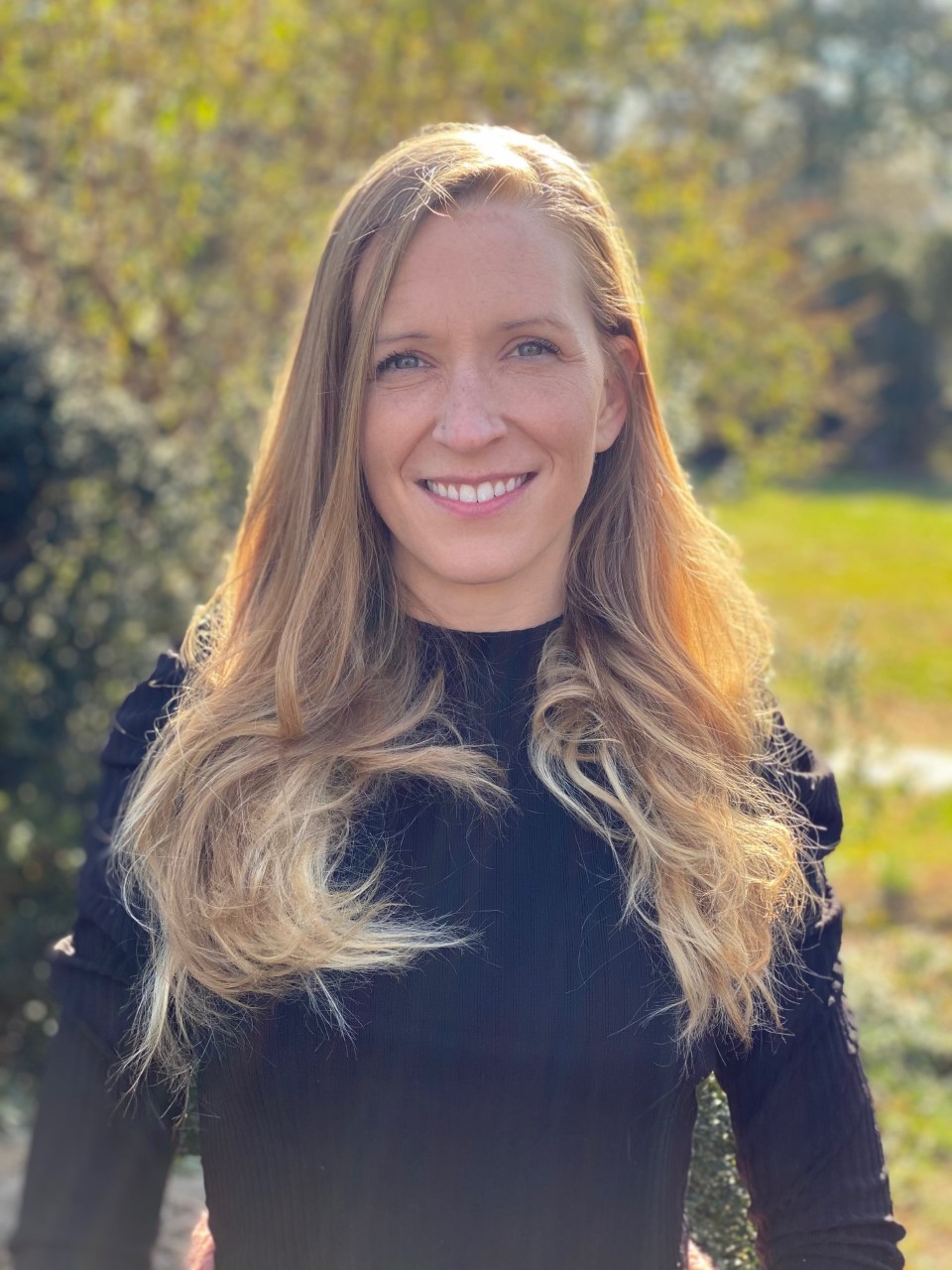
Lindsey Hall
Global Head of Sustainability Thought Leadership
Co-Head,
S&P Global Sustainability Research Lab
Lindsey Hall is Head of ESG Thought Leadership at S&P Global Horizons, where she co-hosts the ESG Insider podcast and is a steering member of S&P Global's Diversity Research Lab.
She got her start in financial journalism writing for various Financial Times publications in London before joining SNL Financial in 2010, where she spent a decade covering financial news and regulation as a reporter and editor.
Lindsey holds a Masters from the London School of Economics.
S&P Global Ratings
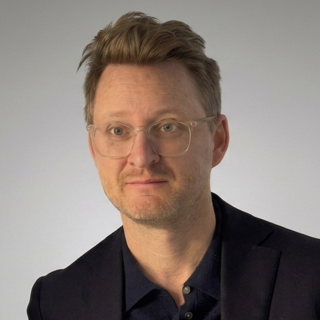
Bruce Thomson
Global Social Specialist, Credit Research and Insights
Co-Head,
S&P Global Sustainability Research Lab
Bruce Thomson is a Director and Global Social Specialist in the Sustainability Research team at S&P Global Ratings. Bruce leads the global research and thought leadership agenda on social topics and sustainable supply chains, aiming to advance understanding of social factors and their sustainability and credit impacts across value chains. He advises the company’s global network of sustainable finance and credit analysts on the effective integration of sustainability factors into issuer, project, and sector analysis.
Previously, Bruce led the North America Sustainability Advisory practice at ELEVATE Global, an ESG services company, where he advised many of the world’s most recognizable brands on strategies to optimize their global supply chains to protect and create value through social risk management. In addition, Bruce worked with asset management firms on pre-investment ESG due diligence as well as investment stewardship. Prior, he founded and led BrightLabel, a supply chain transparency and sustainability software startup, and worked for seven years as a trade economist at the World Bank, the UN, and the Office of the US Trade Representative during the Obama Administration, where he focused on driving economic advancement, protecting human rights, and alleviating poverty through international trade and value chain development.
Bruce received a master's degree in Foreign Service (MSFS) from Georgetown University, where he concentrated in International Economics and Finance, and he graduated with honors in Political Science from Wake Forest University.

Project Leads & Contributors
S&P Global Energy
Lindsey Hall
Global Head of Sustainability Thought Leadership
Lindsey Hall is Head of ESG Thought Leadership at S&P Global Horizons, where she co-hosts the ESG Insider podcast and is a steering member of S&P Global's Diversity Research Lab.
She got her start in financial journalism writing for various Financial Times publications in London before joining SNL Financial in 2010, where she spent a decade covering financial news and regulation as a reporter and editor.
Lindsey holds a Masters from the London School of Economics.
S&P Global Ratings
Bruce Thomson
Global Social Specialist, Credit Research and Insights
Bruce Thomson is a Director and Global Social Specialist in the Sustainability Research team at S&P Global Ratings. Bruce leads the global research and thought leadership agenda on social topics and sustainable supply chains, aiming to advance understanding of social factors and their sustainability and credit impacts across value chains. He advises the company’s global network of sustainable finance and credit analysts on the effective integration of sustainability factors into issuer, project, and sector analysis.
Previously, Bruce led the North America Sustainability Advisory practice at ELEVATE Global, an ESG services company, where he advised many of the world’s most recognizable brands on strategies to optimize their global supply chains to protect and create value through social risk management. In addition, Bruce worked with asset management firms on pre-investment ESG due diligence as well as investment stewardship. Prior, he founded and led BrightLabel, a supply chain transparency and sustainability software startup, and worked for seven years as a trade economist at the World Bank, the UN, and the Office of the US Trade Representative during the Obama Administration, where he focused on driving economic advancement, protecting human rights, and alleviating poverty through international trade and value chain development.
Bruce received a master's degree in Foreign Service (MSFS) from Georgetown University, where he concentrated in International Economics and Finance, and he graduated with honors in Political Science from Wake Forest University.

S&P Global Energy
Matt Macfarland
Senior Editor, Sustainability
Matt MacFarland is the senior editor for sustainability research and content publication at S&P Global Energy Horizons. This includes working with stakeholders and datasets across the Sustainable1 organization, such as climate physical risk and the Corporate Sustainability Assessment, to produce data-driven insights that illustrate how Sustainable1 data informs business decision-making and risk management from a climate and sustainability perspective.
Previously Matt was the industry editor for nonbank financial services news at S&P Global Market Intelligence, covering investment banking, asset management, financial technology and capital markets.

S&P Global Ratings
David Bodek
Managing Director - Sector Lead
S&P Global Ratings
Victor Hazell Laudisio
Global Nature Specialist, Sustainability Research and Methodologies

S&P Global Ratings
Catherine Rothacker
Associate Director
S&P Global Energy
Jayce Cairo
Senior Analyst - ESG Controversy Research

S&P Global Energy
Tony Lenoir
Associate Director, Datacenters & Energy Research
Tony Lenoir is an analyst with the S&P Global Energy Energy Research team.
Specializing in the US renewables space, he has published research on the expansion of solar and wind energy and also of battery storage; the REC market; and energy communities as defined by the Inflation Reduction Act, among other topics.
Tony holds an MBA with a specialization in international finance from the Middlebury Institute of International Studies at Monterey.

S&P Global Ratings
Christina Sewell
Lead, Sustainable Finance

S&P Global Energy
Luiz Commar
Principal Analyst, Agriculture Sustainability

S&P Global Energy
Rick Lord
Head of Sustainable1 Research and Innovation
Rick holds a Masters in Environmental Economics from Imperial College London and a Bachelor’s of Science from Queensland University of Technology.
S&P Global Ratings
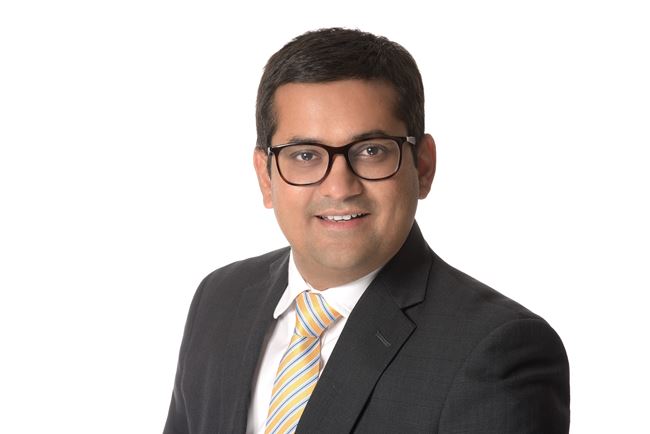
Dhaval Shah
Director

S&P Global Ratings
Gabe Grosberg
Managing Director, Sector Lead, Credit Analysis,

S&P Global Market Intelligence
Beatriz Minamy
Principal Analyst Digital Industries e-Mobility
Beatriz Minamy is a Principal Analyst at S&P Global Market Intelligence, where she leads the e-mobility for the 451 Research Digital Industries channel. With a strong focus on analyzing digital infrastructure vendors, Beatriz identifies opportunities within the automotive and commercial transportation sectors while tracking market trends and technology adoption.
Her expertise extends to the Internet of Things (IoT), digital transformation, and the integration of emerging technologies such as artificial intelligence (AI), machine learning (ML), edge computing, and cloud computing. Beatriz also explores vehicle-to-everything (V2X) and intelligent transportation systems (ITS) solutions for smart cities, alongside connected services, advanced driver-assistance systems (ADAS), automated driving, and electric vehicle (EV) charging infrastructure.
Before her current role in IoT, Beatriz served as a Principal Analyst in S&P Global’s Mobility division, focusing on user experience (UX/UI) and connected car services. Her career also includes roles in product planning and strategy for vehicles, infotainment, and connected services, as well as market intelligence for automotive OEMs and business development in banking.
S&P Global Energy
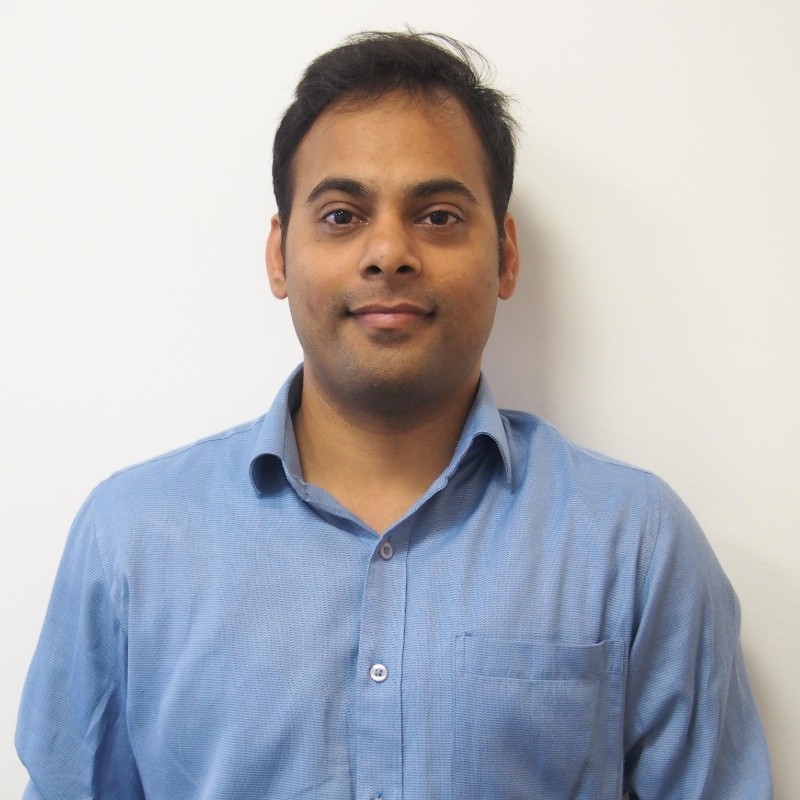
Kuntal Singh
Lead, Climate Physical Risk, Sustainable1
Lead, Climate Physical Risk

S&P Global Energy
Timothy Hall
Senior Scientist, S&P Global Climate Center of Excellence

S&P Global Ratings
Paul Munday, Ph.D.
Director, Global Climate Adaptation and Resilience Specialist
Paul Munday is a Director, Global Climate Adaptation & Resilience Specialist at S&P Global Ratings, where he leads and coordinates S&P Global Ratings’ research and application of climate adaptation and resilience analytics. He works at the interface between data and research, leveraging his expertise to help improve clarity of the credit impacts from climate risks.
Paul has over 10 years of experience in both the UK and abroad, providing advice to private and public sector clients across multiple sectors to help mainstream consideration of climate resilience into projects and programmes. Prior to joining S&P Global Ratings, Paul worked in climate risk consultancy.
He is a Chartered Scientist, Chartered Water and Environment Manager and certified expert in climate adaptation finance by the Frankfurt School of Finance & Management.

S&P Global Ratings
Sarah Sullivant
Managing Director - Sector Lead

S&P Global Energy
Ida Fahani Md Jaye
Analyst, Agriculture Sustainability
S&P Global Ratings
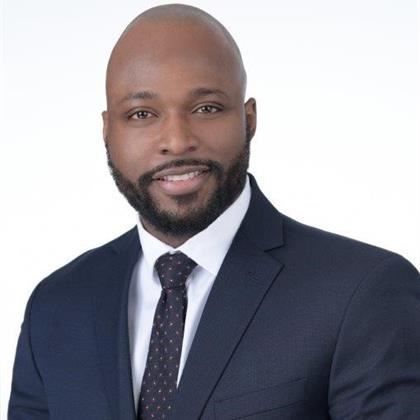
Ola Olatunji
Senior Analyst

S&P Global Energy
Dr. Terence Thompson
Chief Scientist, Climate Center of Excellence, Sustainable1
Terry leads the overall climate science and socioeconomic strategy of the Science Team. He co-founded The Climate Service, leading the development of the TCS software platform and methodology using his over 20 years of experience in advancing climate analysis for industry. Prior to S&P Global, Terry led LMI's climate program, established the Intelligent systems Laboratory at Gould Electronics, and was the former VP of Energy & Environment at Metron Aviation (an Airbus subsidiary) serving as a principal investigator for many NASA and FAA environmental studies.
Terry holds a doctorate and masters in Biophysics from University of Rochester Medical School
S&P Global Sustainable1
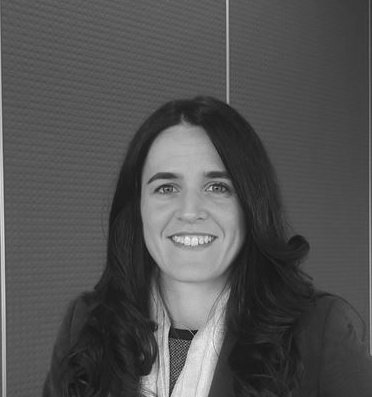
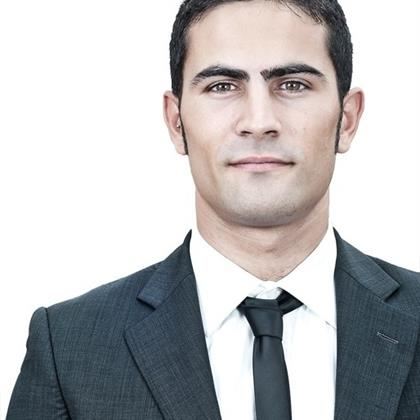
Marta Jimenez
Sustainability Research Specialist
S&P Global Energy
Tomás Pintado
Analyst, Sustainability Research, Research & Methodology
S&P Global Sustainable1
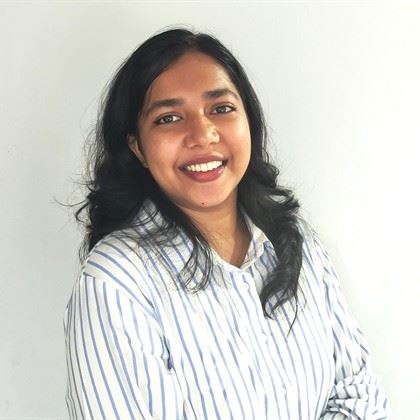
Prevena V P
Analyst, Agriculture Sustainability

S&P Global Energy
Sana Khan
Senior Principal Analyst, Agriculture Sustainability
Sana Khan has a strong background in market assessments, competition analysis, agricultural commodity forecasting and economic modelling. She has 8+ years of experience in agribusiness sector with private, public and intergovernmental organizations. Prior to joining S&P Global, she worked for The World Bank based in Washington, DC within the Agriculture and Climate Change Global Practices. She worked on several projects including agribusiness policy benchmarking for 100+ countries within the seeds and fertilizer sector and assessment of carbon credit programs and markets in 10 developing countries.
Sana received a master's degree in business administration, her study concentrations were operational management and efficiency.

S&P Global Energy
Elena Salgado Rodríguez
Manager, ESG Controversy Analysis
S&P Global Energy
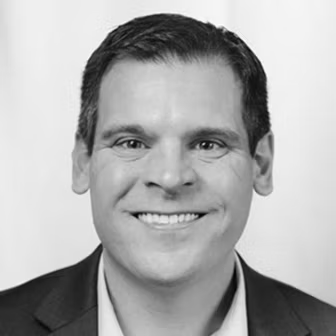
Adam Wilson
Senior Analyst, North American Power and Renewables
Adam Wilson is an analyst with the Regulatory Research team at S&P Global Market Intelligence specializing in U.S. renewable energy policy and analysis. He has worked in renewable energy for over ten years, specializing in wind, solar, and energy storage research. Before joining S&P Global, Adam worked at Navigant and the National Renewable Energy Laboratory conducting research and analysis on wind energy and distributed generation. Adam holds a BS in Meteorology from the University of Nebraska-Lincoln and an MS in Mechanical Engineering from the University of Colorado-Denver.