


Second-Quarter 2025 Edition: Harnessing and adapting to volatility
Sustainability Quarterly
This edition of S&P Global's sustainability research journal explores the risks and opportunities of an increasingly volatile landscape.
Published: June 30, 2025
Welcome to the second-quarter 2025 edition of the S&P Global Sustainability Quarterly, the flagship sustainability publication from S&P Global. The latest edition features a collection of research on topics ranging from climate change to supply chains, tariffs to sustainability regulations, and nature preservation to financial inclusion.
The common thread across these pieces is that each one focuses on an area in flux. This volatility signals risk, but that also means opportunity for those who understand the changing landscape.
Research from S&P Global Ratings explores how physical climate risks are affecting companies’ value chains — in some cases leading to business disruptions and material financial impacts. Understanding these value chain exposures can help companies prioritize their investments in climate adaptation to have the greatest impact on supply chain resilience.
Research from S&P Global Energy explores how trade tensions are reshaping US clean technology. The clean energy supply chain is highly exposed to tariffs, particularly for technologies dependent on imported components from China. Rising costs associated with announced US tariffs, alongside limited domestic manufacturing capacity and broader policy uncertainties, pose challenges for uptake of clean energy in the US, with power sector storage batteries especially impacted.
Research from S&P Global Sustainable1 explores how sustainability reporting is evolving. In a bid to enhance the EU’s economic competitiveness, the European Commission proposed an Omnibus Simplification Package that could shrink the amount of sustainability information available to the market. The tradeoff is that simplification would lower the reporting burden for small and medium-sized enterprises.
The Omnibus package also has implications for the EU's Carbon Border Adjustment Mechanism (CBAM), which will impact trade by requiring importers of select products on the EU market to pay a fee reflecting the underlying carbon intensity of their goods. Research from S&P Global Energy finds that Canada, Brazil, South Africa and Turkey will be particularly exposed, with the iron and steel sector most impacted.
Previous editions of the Sustainability Quarterly have examined the intersection of climate change and nature loss — a topic we expect will remain squarely in focus in sustainability conversations in the second half of 2025 as Brazil prepares to host the UN’s annual climate change conference, COP30, in the rainforest city of Belém. In this edition, we include research from S&P Global Ratings that examines the role local governments play in protecting nature, using the US as a case study. While nature’s role in improving quality of life is widely understood, quantifying nature’s economic value remains a challenge. This means that state and local governments face difficult decisions between prioritizing investment in nature preservation versus other pressing economic needs, such as housing and employment.
This edition also explores how financial inclusion contributes to economic growth, poverty reduction and societal development in emerging and frontier markets. Research from S&P Global Ratings outlines why this makes financial inclusion a priority for policymakers and relevant to credit rating and risk assessment in sectors such as banks and sovereigns. The research finds that new technology, financial innovation, better financial literacy, prudent public policy goals and improved affordability will be key enablers of financial inclusion.
As we enter the second half of 2025, volatility appears to be one of the few constants. We hope that the research featured in this edition helps shed light on some of the rapidly evolving issues reshaping the sustainability landscape.
S&P Global Energy
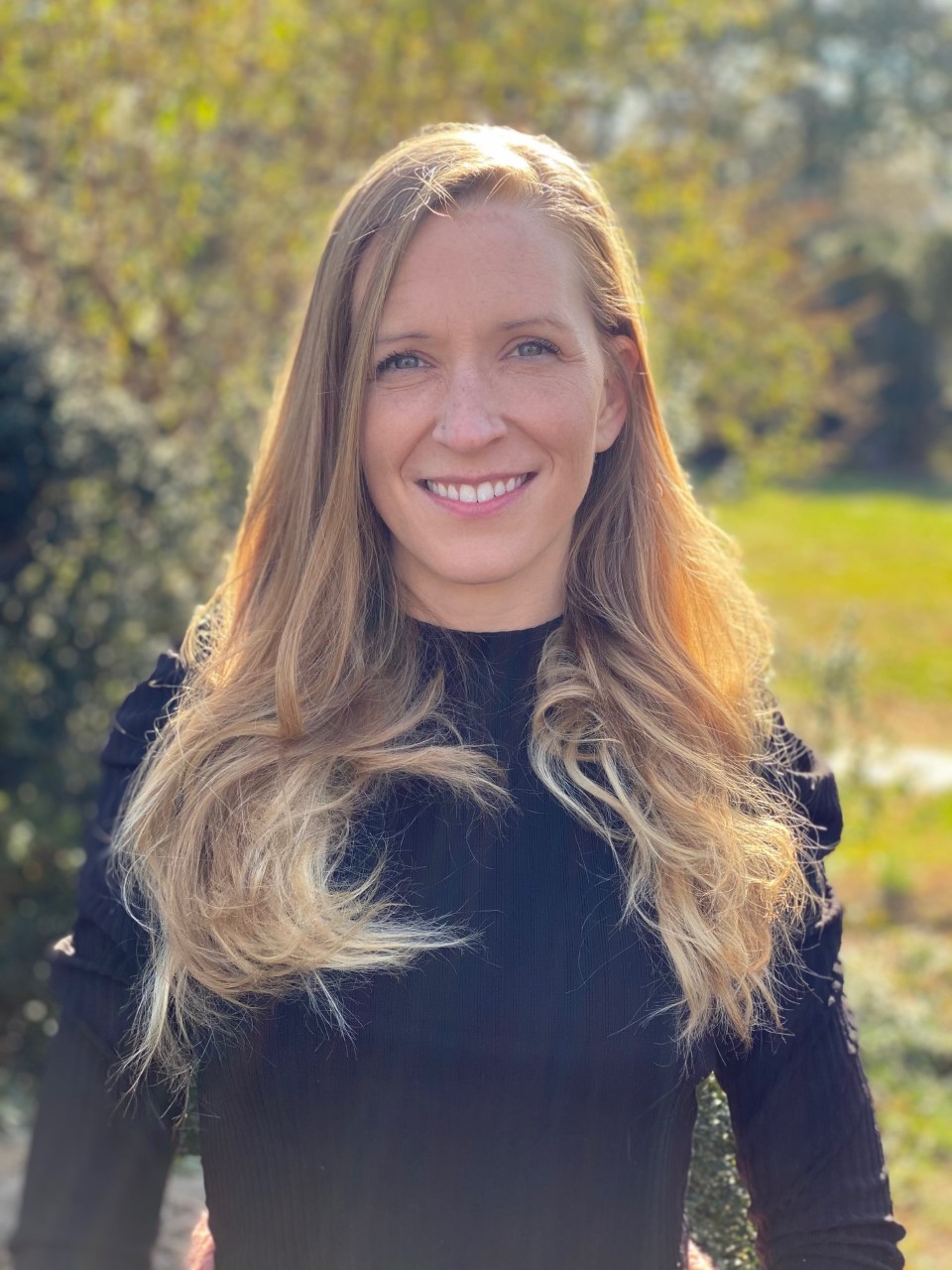
Lindsey Hall
Global Head of Sustainability Thought Leadership
Lindsey Hall is Head of ESG Thought Leadership at S&P Global Horizons, where she co-hosts the ESG Insider podcast and is a steering member of S&P Global's Diversity Research Lab.
She got her start in financial journalism writing for various Financial Times publications in London before joining SNL Financial in 2010, where she spent a decade covering financial news and regulation as a reporter and editor.
Lindsey holds a Masters from the London School of Economics.

S&P Global Ratings
Harald Francke Lund
Global Head of Sustainability Methodology & Research
Harald Francke Lund is Global Head of Sustainability Methodology and Research within S&P Global Ratings Research & Development. He is the former Chief Executive Officer and co-founder of Shades of Green, a global leader in independent opinions for green bonds, which is now a part of S&P Global. Prior to joining Shades of Green, he led the Norwegian contribution to the UNSG's AGF report on long-term climate finance in 2010 and has held the positions of Deputy Chief Negotiator for Norway, Head of Emissions Trading Section at the Norwegian Environment Agency, and Advisor to the UNSG’s Special Envoy on Climate Change Jens Stoltenberg. Harald has a law degree from University of Oslo.
Project Leads & Contributors
S&P Global Energy
Lindsey Hall
Global Head of Sustainability Thought Leadership
Co-Head, S&P Global Sustainability Research Lab
Lindsey Hall is Head of ESG Thought Leadership at S&P Global Horizons, where she co-hosts the ESG Insider podcast and is a steering member of S&P Global's Diversity Research Lab.
She got her start in financial journalism writing for various Financial Times publications in London before joining SNL Financial in 2010, where she spent a decade covering financial news and regulation as a reporter and editor.
Lindsey holds a Masters from the London School of Economics.

S&P Global Ratings
Harald Lund
Global Head of Sustainability Methodology & Research

S&P Global Energy
Matt Macfarland
Senior Editor, Sustainability
Matt MacFarland is the senior editor for sustainability research and content publication at S&P Global Energy Horizons. This includes working with stakeholders and datasets across the Sustainable1 organization, such as climate physical risk and the Corporate Sustainability Assessment, to produce data-driven insights that illustrate how Sustainable1 data informs business decision-making and risk management from a climate and sustainability perspective.
Previously Matt was the industry editor for nonbank financial services news at S&P Global Market Intelligence, covering investment banking, asset management, financial technology and capital markets.

S&P Global Ratings
Steven Ader
Managing Director - Methodologies

Andreas Franke
European electricity reporter
S&P Global Ratings
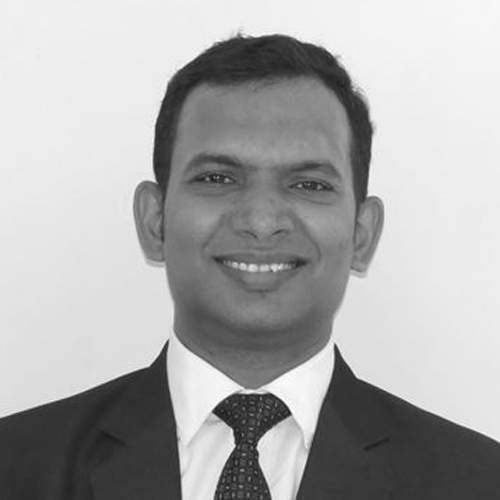
Durgesh Savkur
Manager

S&P Global Ratings
Marion Amiot
Head of Climate Economics & European Economist
Marion Amiot is Head of Climate Economics & European Economist at S&P Global Ratings, based in London. In this position, she develops the Eurozone economic forecasts, provides insight into the economic outlook and conducts in-depth research on key macroeconomic developments and policies.
S&P Global Ratings
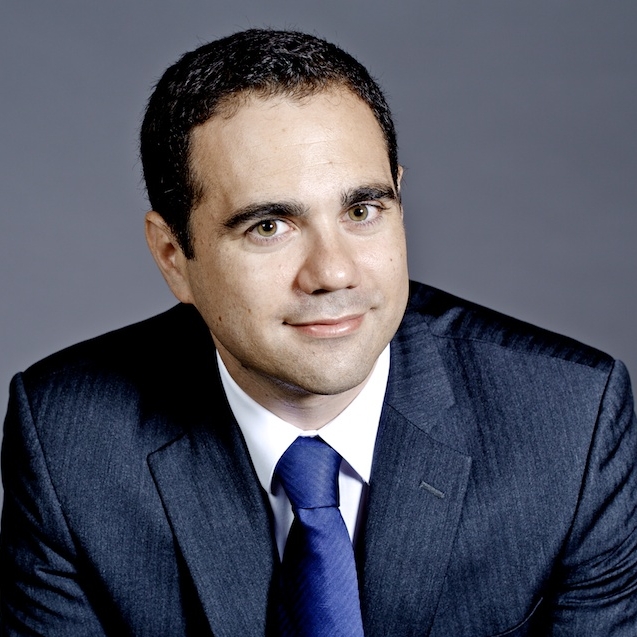
Pierre Georges
Managing Director, Global Analytics, Head of Infrastructure Research
S&P Global Ratings
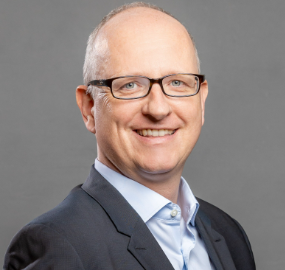
Markus Schmaus
Senior Director & Analytical Manager, Financial Services Ratings

S&P Global Energy
James Burgess
Technical editor
S&P Global Energy
Eklavya Gupte
Editorial Lead, Carbon Markets

S&P Global Energy
Jia Hui Tan
Team Lead
Emna Chahed
Associate Director, Analytical Innovation

S&P Global Energy
Matt Hoisch
Senior Reporter

S&P Global Ratings
Bruce Thomson
Global Social Specialist, Sustainability Methodologies and Research
Co-Head, S&P Global Sustainability Research Lab
Bruce Thomson is a Director and Global Social Specialist in the Sustainability Research team at S&P Global Ratings. Bruce leads the global research and thought leadership agenda on social topics and sustainable supply chains, aiming to advance understanding of social factors and their sustainability and credit impacts across value chains. He advises the company’s global network of sustainable finance and credit analysts on the effective integration of sustainability factors into issuer, project, and sector analysis.
Previously, Bruce led the North America Sustainability Advisory practice at ELEVATE Global, an ESG services company, where he advised many of the world’s most recognizable brands on strategies to optimize their global supply chains to protect and create value through social risk management. In addition, Bruce worked with asset management firms on pre-investment ESG due diligence as well as investment stewardship. Prior, he founded and led BrightLabel, a supply chain transparency and sustainability software startup, and worked for seven years as a trade economist at the World Bank, the UN, and the Office of the US Trade Representative during the Obama Administration, where he focused on driving economic advancement, protecting human rights, and alleviating poverty through international trade and value chain development.
Bruce received a master's degree in Foreign Service (MSFS) from Georgetown University, where he concentrated in International Economics and Finance, and he graduated with honors in Political Science from Wake Forest University.

S&P Global Ratings
Soumya Chakraborty
Senior Associate

S&P Global Sustainable1
Jennifer Laidlaw
Senior Researcher, Regulations and Standards
Senior Researcher, Regulations and Standards

S&P Global Energy
Laura Varriale
Managing Editor, Ferrous Metals, EMEA

S&P Global Ratings
Clayton Davis
Senior Data Scientist

S&P Global Ratings
Paul Munday, Ph.D.
Director, Global Climate Adaptation & Resilience Specialist
Paul Munday is a Director, Global Climate Adaptation & Resilience Specialist at S&P Global Ratings, where he leads and coordinates S&P Global Ratings’ research and application of climate adaptation and resilience analytics. He works at the interface between data and research, leveraging his expertise to help improve clarity of the credit impacts from climate risks.
Paul has over 10 years of experience in both the UK and abroad, providing advice to private and public sector clients across multiple sectors to help mainstream consideration of climate resilience into projects and programmes. Prior to joining S&P Global Ratings, Paul worked in climate risk consultancy.
He is a Chartered Scientist, Chartered Water and Environment Manager and certified expert in climate adaptation finance by the Frankfurt School of Finance & Management.

S&P Global Ratings
Kaiti Vartholomaios
Associate Director

S&P Global Ratings
Cihan Duran, CFA
Associate Director, Financial Institutions
Emna Chahed
Associate Director, Analytical Innovation

S&P Global Sustainable1
Henna Viinikka
Head of Regulatory Methodologies, Research & Development

Alexie Duncker
Analyst, Regulatory Methodologies, Research & Methodology

Binny Sabharwal

S&P Global Ratings
Emmanuel Volland
Managing Director, Global Analytics
Managing Director, Global Analytics