Maritime & Shipping, Wet Freight
July 06, 2026
Clean tanker market climbs into overbought territory on flow optimism
Editor:
HIGHLIGHTS
Clean tanker freight climbs into overbought zone
RSI surges after May lows, tests upper Bollinger
Q3 strength hinges on cargo conversion timing
Clean tanker freight is built on conversion. Dirty freight can reprice fast on ton-miles and risk premium, but clean has to move refinery output into exportable product and then into scheduled cargoes that fit laycans, discharge windows, and commercially acceptable tonnage. Q3 will come down to that conversion chain -- where workable supply meets the cargo program.
The Platts Clean Tanker Index technicals show a clear recovery after a sharp drop in early to mid-May. By mid-May, the Relative Strength Index was extremely low.
The RSI is a momentum indicator that compares recent gains with recent losses; when it gets that low, it usually signals that buyers have stepped back and the market is stretched to the downside. The rebound often starts with short covering and repositioning once readings fall into single digits, which fits an oversold setup versus recent history. In clean, that first move is often reflexive -- position changes and prompt buying -- not a lasting physical rerating. The Q3 question is whether that rebound sticks, or slips back once prompt timing normalizes.
That recovery shows up across several technical measures into late June and early July. The index grinds higher from late May through late June, then picks up speed in early July. By July 1-2, it is pressing above upper Bollinger territory, which points to price moving ahead of its recent average behavior.
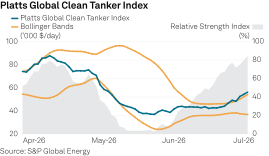
Momentum is also stronger: RSI climbs into very elevated territory by early July. That is not automatically bearish on its own -- clean markets can keep running -- but it does raise the risk that the move is short-cycle unless cargo readiness keeps up.
Clean technicals: momentum has returned, but it is not a free ride
From a Q3 trading perspective, the clean tape is now above its short-term moving average, which usually means near-term paper selling pressure could resurface. On the physical, the same setup means any slowdown in fixing demand will show up quickly.
"We have not seen the large clean-product destocking wave that many expected. Most players have been fairly quiet so far," a shipping analyst said. "Not enough cargo demand and a healthy tonnage list have pressured rates compared with recent levels."
When RSI is stretched and the index is pushing upper Bollinger levels, the market becomes more sensitive to small shifts in prompt cargo availability, workable tonnage, and port/terminal rhythm. Clean can cool fast without any major negative headline, because liftings are often concentrated into tight windows and charterers adjust quickly once coverage is sufficient.
The key clean-market realities into Q3 are operational, not theoretical.
First, cargo scheduling: clean freight depends on how refinery run patterns and blending schedules turn into exportable product landing in the vessel time window. If those cargoes stay concentrated across near-term fixing cycles, charterers have less reason to wait and the bid holds. If cargoes spread out and arrive more evenly, the same tonnage is easier to secure and the index can lose momentum quickly.
Second, workable tonnage availability: ships on the water does not mean workable ships for mainstream programs on the dates that matter. Clean charterers care about vetting acceptance, discharge timing, and commercial usability for route planning. Even when the index is firm, more workable tonnage can cap the upside because the market no longer has to pay an urgency premium to secure coverage.
"Even if exports and imports look balanced, a change in flows can still create strong vessel demand, and it takes time for the market to adjust," said a supply specialist.
Third, liftings conversion: clean markets often move when charterers cannot get enough coverage at the right time. Into Q3, the question is whether early-July strength reflects sustained fixing momentum or a short-cycle reset. If the market keeps printing repeat fixtures at firmer levels, strength should hold; if the fixing window opens up as cargoes land and tonnage becomes workable again, mean reversion can follow quickly.
Platts Clean Tanker Index technicals into Q3 point to a recovery with strong momentum into early July, but the test for staying power is the same one that governs every clean desk's P&L: it has to turn into consistent, workable liftings. The chart above shows momentum is back; Q3 will decide whether it lasts.
