Crude Oil, Maritime & Shipping
July 07, 2026
DIRTY TANKER QUARTERLY: West of Suez VLCC, Suezmax rates hinge on cargo conversion as forward gaps test market

Editor:
HIGHLIGHTS
VLCC rates fall, then recover on cargo gaps
Suezmax levels hinge on CPC program pace
Q3 strength depends on forward fixing fill
VLCC and Suezmax dirty tanker activity West of the Suez remained dominated by cargo availability versus booking timing, with sentiment shifting quickly as prompt windows were either covered cleanly or left exposed to list pressure. For VLCCs, the WAF-East and WAF-UKC directions reflected a recurring two-step dynamic: initial owner resistance when Brazil and WAF inquiries appeared sufficient, followed by gradual corrections once fresh requirements weakened and ballasters lengthened the forward picture. For Suezmaxes, market behavior was more visibly tied to program coverage and the pace of conversion in the Med/Black Sea, where CPC stability helped contain downside even as softer Atlantic undertones periodically weighed on confidence.
By late June, attention increasingly centered on forward-month fixing, especially where under-fixed cargo counts could quickly tighten prompt availability and push charterers back into firmer bids. That forward-fixing gap is Q3's hinge: in dirty markets, sustained strength requires forward gaps to convert into repeat fixtures and workable-tonnage tightness across consecutive laycans.
Oil prices and the routing backdrop added a demand layer through Q2. Benchmarks eased into mid-to-late June amid incremental improvements in expectations around US-Iran talks, reducing immediate disruption pricing. Brent softened toward three-month lows and the front spread tightened as backwardation eased, reinforcing perceptions of less near-term risk premium. In the Med/Black Sea, operational risk stayed elevated amid Ukrainian drone attacks on oil infrastructure and heightened security concerns, which can extend delivery timelines and increase waiting-time sensitivity — especially for Suezmaxes, where workable tonnage and timing fit are central to conversion.
VLCCs
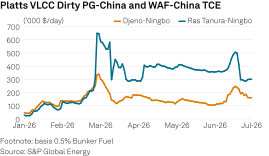
In April, WAF and Brazil sentiment stayed supported by ample cargoes and additional US Gulf contribution. Owners held out for levels above last done; however, confidence waned as WAF-China rates moved lower from about w175 to around w150 by mid-month when fresh inquiry failed to develop into sustained demand and cargoes became more consistent repeat covers. With limited open WAF positions and more ballasters sitting or covering into early periods, the Atlantic correction broadened, with Brazil-China routes also moving down. By late April, sentiment weakened further as WAF-East slid into the w125-w130 area. By May, an improved forward tone supported firmer levels around the w145s, then firmed quickly into the June endgame, lifting forward tone into the w200s and beyond.
The key vulnerability for Q3 is visible in the forward-fixing picture: West Africa was reported highly under-fixed for July, with the cargo count materially below expected levels, leaving prompt tightness dependent on repeat cargo conversion before ballasters fully lengthen the forward list.
Suezmaxes
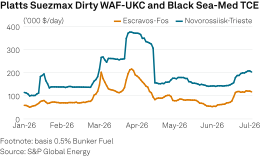
Suezmaxes started April with coverage support. Pre-Easter balances were described as covered with remaining stems limited, allowing owners to hold rates relatively high despite limited natural-date working. As April progressed, tight open availability and slow absorption from the East encouraged declines; by mid- to late April, WAF-UKC and adjacent routes slipped toward the mid-to-low w200s, with East rates lower as well.
May reinforced the role of coverage and timing conversion. In WAF, eastern ballasters arrived but were absorbed slowly, and owners managed a controlled downside as charterers showed patience and prioritized returns, with WAF–UKC easing into the w190s by early May. The Med/Black Sea remained comparatively more supportive where CPC coverage held, with CPC/Med showing conference-like support and Med inquiry described as more active. Through mid-May, WAF held stable undertones while Med/Black Sea softened as CPC levels drifted lower from prior fixtures and fresh testing became necessary.
In June, the hinge was whether Med/Black Sea programs would retighten. CPC June was expected to be heavy and supportive for early stems, but Med sentiment still depended on fresh inquiry and the pace of conversion into workable tonnage across prompt windows. Late June added a more promotional note for owners as Atlantic firming encouraged a willingness to push, but Med inquiry remained subdued in pockets, keeping the market vulnerable to softening if charterers find enough workable supply and can spread coverage over a longer laycan span.
Q3 hinge: conversion of forward gaps into repeat fixtures
For both VLCC WAF-East/UKC and Suezmax Med/Black Sea-Med, Q3 direction hinges on whether under-fixed or lightly covered prompt windows translate into repeat fixtures at firmer levels before the list fully absorbs availability. In VLCCs, the reported July under-fixing in West Africa raises the prospect of tighter prompt conditions if activity re-accelerates. In Suezmaxes, the outcome depends on whether CPC dynamics and fresh testing keep conversion tight, rather than allowing charterers to regain optionality as workable tonnage reappears.
