Agriculture, Energy Transition, Electric Power, Biofuels, Renewables
June 25, 2026
INFOGRAPHIC: Oversupply, policy shifts drive Thailand I-REC price decline

Editor:
HIGHLIGHTS
Thailand I-REC prices fall on oversupply
Tokenization emerges as next market phase
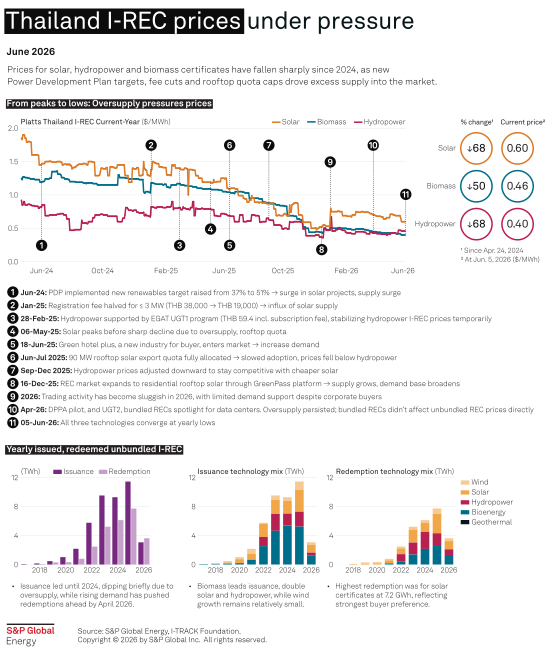
Thailand's I‑REC market has faced sharp price declines since 2024, as new PDP targets, fee cuts and rooftop quota caps drove excess supply into the system. Solar issuance surged after registration fees were halved, while hydropower prices saw temporary support under EGAT's UGT1 program. By mid‑2025, solar peaked before falling below hydropower and biomass continued to lead issuance, more than double solar and hydropower.
Trading activity has been sluggish into 2026, with oversupply weighing on demand despite new buyers entering the market, such as green hotels. Redemptions have grown steadily, led by solar certificates at 7.2 gigawatt-hours, underscoring buyer preference even as all three technologies converged at yearly lows in June.
Looking ahead, tokenization projects are emerging as the next phase of market development. The delayed launch of a blockchain‑based platform in partnership with Bitkub has drawn trader attention, with SEC rules imposing a 24‑month vintage limit on eligible certificates. While the initiative promises broader participation and transparency, thin liquidity and excess issuance continue to pressure prices, leaving the market under strain until new mechanisms take hold.