July 23, 2025
EU, UK shrimp imports hit record in May on favorable forex, summer stocking

By Karan Dadure
HIGHLIGHTS
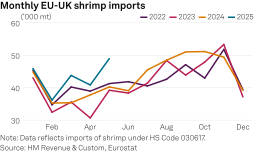
UK–EU shrimp imports in May hit 48,947 mt, a post-COVID record
Prices continued falling from April to June despite strong buying
EU and UK shrimp imports rose to their highest monthly level in May, reaching 48,947 mt, as buyers accelerated purchases amid low prices, favorable exchange rates, and strong production from key suppliers.
The surge pushed cumulative imports for the first five months to 215,594 mt, nearly 10% higher year over year and exceeding the post-pandemic highs recorded in 2021, according to Eurostat data.
For example, a buyer contracting at $5/kg with an expected FX of Eur1.05/$1 would see enhanced returns if actual rates hit 1.12 and spot prices dipped to $4.80/kg. This dynamic, David explained, created a strong incentive to lock in volumes in April and May.
"Many importers negotiate contracts based on a fixed dollar price and a projected exchange rate," Julien David said. "If the market price drops and the euro strengthens, they can boost margins significantly by buying more."
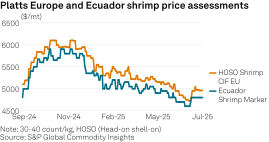
Platts assessed 30-40 count HOSO Vannamei shrimp CIF Europe at $5,200/mt on April 15, but the price steadily declined, hitting a low of $4,725/mt on June 27.
Despite the aggressive volume, prices remained under pressure as supply outpaced demand. "It's not that demand, it's that supply is simply very strong," one European trader said. Stable demand but good FX allowed buyers to take on more volume when conditions were favorable, particularly during April and May. This matched feedback was heard consistently through June and July, as elevated inventories continued to weigh on the market.
Looking ahead, traders expect activity to pick up again from September, once summer inventories clear and buyers resume procurement for year-end retail and foodservice demand.
"Unless there's a major supply disruption, I don't see a sharp upside," the trader added. "But we could see some price stability return if inventories come down and seasonal demand kicks in."

Editor: