Metals & Mining, Ferrous, Non-Ferrous
August 06, 2026
China copper smelters turn to scrap as concentrate shortage deepens
Editor:
HIGHLIGHTS
Scrap use rises to 25.2% amid shortage
Processing charges hit record negative low
China's refined copper producers increased their use of scrap-derived feedstocks in the first half of 2026, as copper concentrate availability tightened and spot processing charges fell further into negative territory.
The shift highlights how structural changes in global copper supply chains are reshaping Chinese refining operations, with potential implications for concentrate prices and trade flows across Asia-Pacific markets.
Scrap copper accounted for 25.2% of feedstock used in China's refined copper production in the first half of the year, up 2.7 percentage points from the same period in 2025, according to data from state-backed research agency Antaike late Aug. 4.
The growing reliance on scrap came as copper concentrate availability remained under severe strain. Treatment and refining charge (TC/RC), paid by miners to smelters for processing concentrate into metal, has fallen to record lows, reflecting increasingly tight concentrate supply.
Platts, part of S&P Global Energy, assessed the CIF China clean copper concentrate treatment and refining charges at minus $173/metric ton and minus 17.3 cents/lb on Aug. 5, down from the previous day. This marked the lowest level since Platts launched the assessment in February 2021.
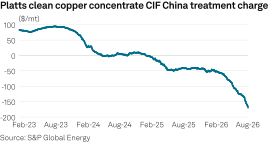
The processing charges have fallen about 244% since the start of the year, according to Platts data.
Adverse weather in Chile caused one-month shipment delays for some major qualities, while prompt demand was heard in the spot market, according to market participants
"The impact should be significant as many mines were impacted by the storm," a supplier said Aug. 5.
The disruption is being closely watched by Chinese smelters, as Chile is the country's largest supplier of copper concentrate.
China imported 4.28 million mt of concentrate from Chile in the first half of 2026, accounting for 29.3% of total imports, according to customs data released in July. Overall concentrate imports fell 0.9% year over year to 14.61 million mt during the period.
Domestic scrap tightens, imports rise
Domestic scrap copper availability in China declined in the first half of the year, with rising imports partially offsetting the supply shortfall, according to Antaike.
The decline in domestic supply was largely attributed to stricter enforcement of China's reverse invoicing policy for recycled materials, which significantly increased invoice-related costs and tightened the availability of compliant scrap supplies.
Despite elevated copper prices, many scrap holders remained reluctant to sell, further reducing domestic circulation volumes, Antaike said.
Imports helped alleviate part of the domestic tightness, customs data showed.
China's imports of copper scrap reached 1.24 million mt in the first half of 2026, up 8.3% year over year, according to customs data.
Trade flows continued to shift with imports from the US remaining subdued, while more material has been sourced from Japan and Southeast Asia. Imports from Thailand and Japan reached 200,510 mt and 197,936 mt, respectively, during the same period, taking up 16.2% and 16% of the country's total, the data showed.
