Agriculture, Grains, Oilseeds
July 27, 2026
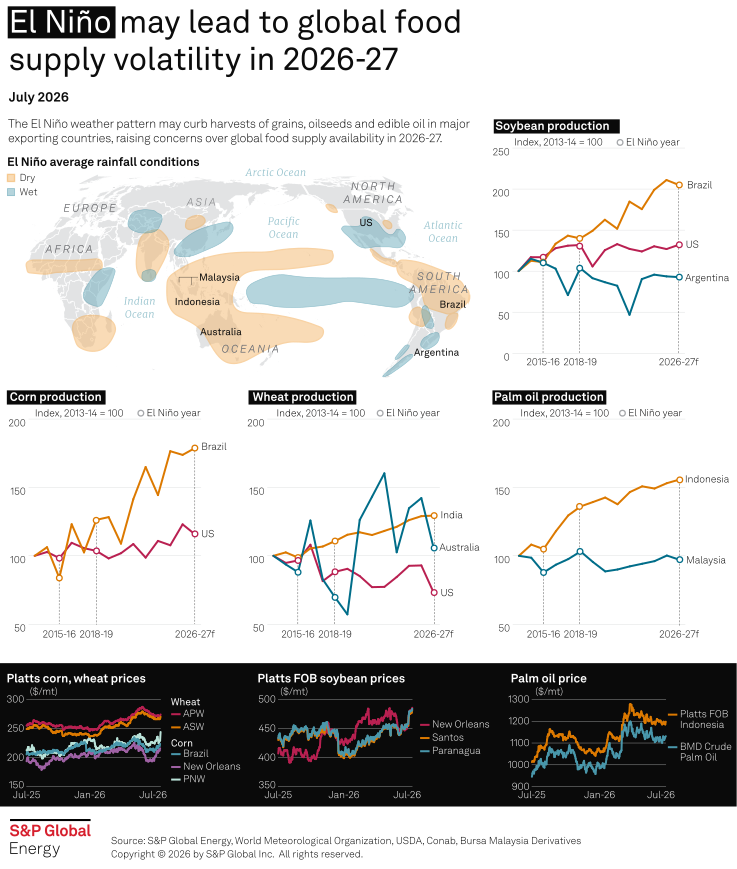
INFOGRAPHIC: El Niño may lead to global food supply volatility in 2026-27
Editor:
HIGHLIGHTS
Wheat production may fall in Australia, US
Soybean output may drop in Brazil, Argentina
Palm oil production seen declining in Malaysia
The ongoing El Niño weather phenomenon may disrupt food supplies in 2026-27, with global farm output seen falling.
The El Niño developed in early July, the World Meteorological Organization said. According to the WMO, an El Niño may lead to lower rainfall and higher temperatures across Australia, Indonesia, India, parts of South Asia, and northern South America. Conversely, parts of North America and southern South America may see higher rainfall during the event.
These regions are key producers and consumers of corn, soybeans, and wheat.
The National Oceanic and Atmospheric Administration has forecast that the ongoing El Niño may intensify during October-December and is likely to persist until April 2027.
Due to the weather event, wheat output in Australia and the US is expected to fall significantly, while India's wheat production could dip slightly, market experts said.
Several market experts also expect US corn output to decline due to the weather phenomenon, while Brazil's corn harvest could be larger than the previous year's.
Soybean output in Brazil and Argentina is also seen decreasing amid the ongoing weather event, a forecast by S&P Global Energy CERA showed.
Malaysia may see a drop in its palm oil output because of the El Niño, but Indonesia's production is seen as largely steady year over year, data from the US Department showed.