Crude Oil, Refined Products, Energy Transition, LNG, Natural Gas, Emissions, Fertilizers
December 29, 2025
Commodities in 2025: A year in infographics

1. Sanctions and longer voyages drive surge in oil on water, not storage
Oil on water has surged to levels last seen during the COVID-19 pandemic, but this time, the rise is driven by longer shipping routes and evolving trade patterns rather than floating storage. Increased exports from the Americas, shifting Russian oil flows due to sanctions and growing tanker demand are all reshaping global oil logistics and freight markets.
Related topic: Global Sanctions and Commodity Markets
2. Brussels finetunes CBAM as importers brace for impact
The EU will launch the definitive phase of its Carbon Border Adjustment Mechanism in January 2026, prompting businesses to navigate uncertainties around emissions calculations and carbon costs. Key sectors await guidance from Brussels, as CBAM stands to transform global supply chains and reshape international trade.

Related topic: Emissions and Carbon Intensity
3. US EV market poised for demand downturn after credit repeal
With the expiration of the largest US electric vehicle incentive, automakers are reassessing their strategies amid surging sales and shifting market dynamics. As federal tax credits are phased out, manufacturers and dealers face uncertainty, prompting adjustments in production plans and renewed focus on global markets..

Related topic: Environment and Sustainability
4. Policy shifts, renewable mandates drive Asia’s UCO market transformation in 2025
Asian used cooking oil markets are undergoing rapid transformation in 2025, fueled by increasing prices and intensifying competition between sustainable aviation fuel and biodiesel producers. Major policy changes across China, Indonesia and Malaysia, alongside evolving EU and US regulations, are reshaping trade flows and demand patterns in the region.
Related topic: Biofuels and Energy
5. Global steel trade eyes another reset amid US tariffs
The US has doubled import tariffs on steel and aluminum, heightening risks for top suppliers Canada and Mexico while also impacting global trade flows. As countries adjust to the new regime, shifts in supply chains and potential knock-on effects for China are set to reshape the international steel market.
Related topic: Trump and Commodities
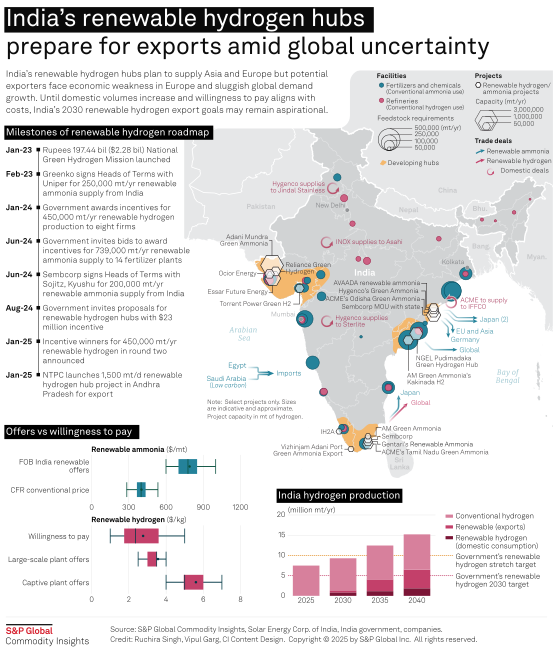
6. India's renewable hydrogen developers bank on cost advantage in lackluster global market
India’s renewable hydrogen sector is positioning itself for green ammonia growth by 2027, banking on cost advantages and rising offtake interest. Despite market uncertainties, major projects and government support are driving development in coastal hubs, with Europe and Asia emerging as key potential markets..
Related topic: Hydrogen: Beyond the Hype
7. Global oil flow tracker
Russia’s war in Ukraine has reshaped global oil markets, prompting Moscow to seek new buyers and Europe to secure alternative supplies. Despite Western sanctions and price caps, Russian crude and product exports remain resilient, with discounted oil increasingly flowing to Asia and Africa.
8. LNG and gas markets navigate a world in transition
LNG and natural gas play an increasingly pivotal role in the global energy system, balancing energy security and emissions goals. As new LNG capacity emerges, market participants face supply uncertainties, evolving trade flows and price volatility, especially as Europe prepares for winter amid shifting storage targets and geopolitical risks.

Related price assessments: Platts LNG Price Assessments
Note: This retrospective of S&P Global Energy infographics is provided for reference. Forecasts and other data may have been superseded since the original date of publication.