


8 January 2026
Copper in the Age of AI:
Challenges of Electrification
Report by S&P Global Energy & Market Intelligence
By Daniel Yergin, Ph.D., Carlos Pascual, Eleonor Kramarz, Aurian De La Noue , Miguel Acosta, Gray Bender, Mohsen Bonakdarpour, Tabitha Bailey, and Keerti Rajan
Study Context
Copper in the Age of AI analyzes the global outlook for copper supply and demand through 2040, focusing on copper’s essential role in meeting the growing requirements of electrification, digitalization, and technologies such as AI, data centers, electric vehicles, and defense. It represents the collaboration of groups across S&P Global. The analysis and metrics developed during the course of this research represent the independent analysis and views of S&P Global. The study makes no policy recommendations.
The cross enterprise S&P Global teams involved in the study include:
S&P Global Energy
- Critical Minerals and Energy Transition Consulting provides strategic analysis and advice and quantifiable, data-driven actionable insights on the metals and mining sector for decision makers in both companies and governments.
- Metals and Mining Research provides comprehensive and proprietary datasets, analysis and forecasts, spanning the full supply chain of the upstream mining sector. A global team of analysts deliver monthly, quarterly, annual and ad hoc research that covers capital market activity, exploration trends, corporate strategies, M&A activity, production cost modeling, supply and demand fundamentals, and industrial and battery metals prices.
- Electric Power and Renewable Research analyzes global electricity markets and policy developments to provide strategic insights and data-based forecasts for generators and distributors, policymakers and regulators, investors and lenders, and major consumers, including industrial and tech companies.
S&P Global Market Intelligence
- Global Insight, built on a foundation of data and technical expertise, creates customized client solutions via market analysis, models, scenarios, indices, and early warning systems that inform decision-making and strategy across a range of workflows and sectors, including economic and industry planning, geopolitics and risk intelligence, and supply chain and logistics.
- 451 Research provides essential insight into key trends driving digital transformation across the technology landscape. Critical for this study is 451’s Data Center Knowledge Base, which provides detailed intelligence on over 14,000 data center facilities in more than 135 countries and 2,700 owners/providers.
Executive Summary
Ever since Thomas Edison’s enterprise laid 80,000 feet of copper wires under streets in Lower Manhattan in 1882, lighting up one square mile, copper has proved its mettle as the metal of electrification. In the century and a half since then, as copper has gone on to wire the world, the staggering growth in consumption has turned it into one of the most important materials of modern civilization. But, without significant adjustments, copper supply faces a growing challenge of keeping up with the accelerating pace of electrification.
The importance of copper has been underlined over the last half decade as a number of countries have deemed it a “critical metal”, including, in 2025, the United States (US). And with good reason. Copper is the connective artery linking physical machinery, digital intelligence, mobility, infrastructure, communication, and security systems. All of this has made the future availability of the metal a matter of strategic importance. The United States’ designation of copper as a critical mineral underlines its essential role in enabling the infrastructure, technologies, and security systems that will shape the coming decades.
S&P Global's comprehensive study identifies a transformative trajectory for copper demand, projecting a surge from 28 million metric tons in 2025 to 42 million metric tons by 2040 – a 50% increase that underscores the metal's pivotal role in multiple technological and economic domains. However, meeting the call on copper confronts significant supply obstacles both above and below ground. The study projects a potential 10 million metric ton copper shortfall by 2040 without meaningful supply expansion. This demand growth – and addressing the looming challenges to meeting it – is what this report is about.
But what is driving this demand? It arises from the fact that copper is essential for the generation, transmission, and use of electricity. But the demand for copper will outrun supply unless there is major adjustment across the copper supply system.
Here, in short, is the quandary: copper is the enabler of electrification, but the accelerating pace of electrification is an increasing challenge for the metal.
In S&P Global’s base case, global electricity demand will increase by nearly 50% by 2040. And this surging electrification is advancing around the world. In the United States, for a quarter century, electricity consumption hardly rose year over year, but it is now beginning to grow at what could be 2.5% annually. In China – with an electricity market more than double that of the United States – it will grow at 3.2% per year between now and 2040. In India, it will be 4.2% per year.
The demand for copper is growing along four vectors, each of which adds to the pyramiding call on copper. The newest to emerge is one that was not even evident four years ago and yet today is highly visible in terms of global transformation for both work and life. That, of course, is artificial intelligence (AI). While AI has long been in development, it only “broke through” in November 2022, with the debut of ChatGPT. That launched the “AI Race”, which runs on electricity. In 2025, half of US Gross Domestic Product (GDP) growth is attributed to AI spending – largely on computer chips, data centers, and the electric power systems on which they run.
This explosive growth of AI and data centers has introduced a new, rapidly expanding vector of copper demand. Data centers are electricity-intensive, and their proliferation is driving massive investments in both direct copper use (for power delivery, cooling, and IT infrastructure) and in the electric grid infrastructure that supports them. By 2030, data centers alone could rise from today’s 5% to 14% of US electricity demand, with copper a critical enabler all along the way. What is still to play out is the indirect impact of AI in terms of the electric infrastructure needed to meet the enormous demands of users – and the impact that AI will have in generating industrial, commercial, creative, and personal applications that will lead to further cycles of copper demand.
While AI is creating a new vector of copper demand, it is not the largest by any means. But the reason that we call this paper “Copper in the Age of AI” is because the requirements of AI underline the essential and foundational role of expanded electricity supply – and thus the need for more copper.
It is “core economic demand” that we cite as the first vector – from appliances and computers to construction and manufacturing – going back to when Thomas Edison’s light bulb candles and kerosene lamps. And this vector of demand – the largest – continues to grow. In the developing world, a combination of urbanization, rising incomes, and changing building practices means electricity use and thus more copper. One vivid example: the developing world is projected to add as many as two billion new air conditioners by 2040. In the United States, the reshoring of manufacturing and the resulting growth in electricity consumption is driving electric utilities to add more generation, more transformers, and more transmission and distribution lines.
A second vector of copper demand has only emerged over the last decade – “energy transition and addition.” Electric vehicles (EVs) require 2.9 times more copper than a conventional car, and the population of EVs is growing. The number of electric cars sold worldwide in 2025 was 25% greater than total new cars sold in the United States, the world’s second largest new car market. Solar and wind require a lot of copper, and over 90% of the new electric generating capacity installed in 2025 worldwide was solar and wind. Another new demand for copper is for the batteries being deployed to store renewably generated electricity. Transmission and distribution systems are being expanded worldwide.
But energy transition takes another form as well – it is also populations in the developing world moving from wood and waste for their heating and cooking to commercial energy, including electricity. Africa is home to almost 20% of the world’s population but is grossly underserved in terms of electricity. Copper will be integral to the systems that are rolled out to meet the need for electricity across that continent.
The final vector of current copper demand is defense. Rising geopolitical tensions and the electrification of military systems and the battlefield itself are driving up spending on defense and the push for new technologies. The investment in these technologies and systems is “inelastic” – given the national security stakes. Notable is the pledge by NATO members to increase defense spending to five percent of GDP. Modern weaponry, communications, and infrastructure are increasingly copper-intensive, and defense-driven demand is projected to triple by 2040.
And now a possible new vector of demand is on the horizon – humanoid robots. There is much variance in projections for their scale by 2040 – varying from tens of millions to hundreds of millions to a billion or more. Whatever the actual number, these humanoids will not just be wired – but heavily wired – with copper.
Demand versus supply
Even as global demand is accelerating along these vectors, current supply is on course to decline as existing resources age. Without meaningful expansion of supply, the result could be a 10 million metric ton shortfall by 2040.
Figure ES- 1. Total copper market balance (2020–2040)
MMt Cu

Note: Recycled supply represents end-of-life scrap. Mined supply includes operating production and risked production from committed, probable and possible projects.
Source: S&P Global
©2026 S&P Global
Meeting the growing demand is fraught with challenges both above and below ground. The supply response is multi-faceted but constrained:
- Mined copper – “primary supply”: Mining faces declining ore grades, rising costs, and increasingly complex extraction conditions. Without significant new investment, output from existing mines will decline, and the pipeline of new projects is hampered by long development timelines – averaging 17 years – resulting from permitting delays, and above-ground risks such as regulatory uncertainty, environmental activist opposition, shifting government terms, and rising costs.
- Recycling – “secondary supply”: While copper’s recyclability offers additional supply, such secondary supply alone cannot close the gap. Even with very aggressive improvements in collection and processing, recycling could provide at best only about a third of total supply by 2040, leaving a substantial shortfall.
- Processing criticality: Smelting and refining capacity, especially concentrated in China, have become critical nodes in the supply chain. The economics of processing are increasingly precarious, with treatment and refining charges under pressure and with regional disparities in operating costs and regulatory environments. The geographic concentration – estimated at 40% to 50% of total capacity – amplifies systemic risks and exposes the supply chain to geopolitical shocks.
Substitution and trade risks
What distinguishes copper from other metals is its exceptional conductivity of electricity – exceeded only by a precious metal, silver. This conductivity, along with the metal’s durability and recyclability, makes substitution difficult in most applications. While aluminum, plastics, and fiber optics compete in select uses, copper remains the preferred and/or essential material for safety, performance, heat management, and sustainability. Substitution, miniaturization and “thrifting” (using less copper per application) are limited by technical and economic factors, and the bulk of feasible substitutions are considered to have already occurred. The price ratio of copper to aluminum remains elevated, but further displacement may be limited without major technological breakthroughs.
Governments are increasingly recognizing the strategic importance of stable and competitive mineral supply chains. Emerging modes of international cooperation and the growing role of sovereign wealth funds are offering new approaches to secure and diversify critical mineral supplies.
Policy, innovation, and the path forward
This report underscores the urgency of policy action, investment, and innovation across the copper value chain. Meeting rising demand in the coming decades will require considerable effort and innovation across the entire value chain:
- Accelerating mine development: Streamlining permitting and rationalizing judicial reviews, fostering stable investment frameworks, and leveraging new technologies are essential to shortening development timelines and unlocking new supply.
- Expanding processing capacity: Diversifying smelting and refining capacity beyond current hubs, incentivizing innovation, and aligning tariffs and industrial policy are critical to reducing systemic vulnerabilities – but also come with challenging economics and additional costs as well as regulatory obstacles.
- Enhancing recycling: Investment in collection infrastructure, regulatory incentives, and international cooperation can boost recycling rates, but cannot replace primary supply growth.
- Talent and skills: Addressing the talent gap in mining and processing is vital, as the industry faces a wave of retirements and declining enrollment in technical programs.
Copper’s role as the linchpin of electrification, digitalization, and security in the age of AI is both an opportunity and a challenge. The intersection of accelerating demand, constrained supply, and concentrated processing capacity creates systemic risks that require responses from policymakers, regulators, industry, and investors. The choices made in the coming years will determine whether copper remains an enabler of progress or becomes a bottleneck to growth and innovation.
This report seeks to provide a foundation for understanding these dynamics and for charting a path toward the resilient, sustainable copper value chain that is required for the future.
Key Findings
Copper demand & electrification
- The world is electrifying: global electricity consumption will increase by almost 50% by 2040 – faster than any other form of energy
- Global copper demand is projected to rise 50% by 2040, growing from 28 million metric tons today to 42 million, driven by four vectors: core economic demand, the energy transition and addition (renewables, EVs, grid expansion), AI and data centers, and defense modernization
- Core economic demand and energy transition and addition are the largest drivers of copper consumption through 2040, with China and APAC leading demand growth
- AI and data centers is a key new demand vector given data centers’ electricity intensity, direct copper use, and rapid growth in the industry
- Asia will account for 60% of incremental demand, while North America and Europe see smaller but meaningful surges tied to digitalization and clean energy
Copper supply
- Without improvement in above ground risks and significant new investment, a 10 million metric ton supply shortfall is projected by 2040
- Without new mine development or expansion of existing assets, primary mined supply could increase from 23 million metric tons in 2025 to a peak of 27 million in 2030, then decline to 22 million by 2040
- Average copper ore grades are falling, making extraction more complex and expensive, especially in major producing regions like South America
- While recycling could possibly meet up to a quarter of total demand by 2040, it cannot close the gap – primary mined supply remains essential
Processing & supply chains
- The copper supply chain is highly concentrated, making global supply and pricing vulnerable to disruptions, policy shocks, and complex trade barriers
- China accounts for 12 of the 29 million metric tons of global smelting capacity – and this is growing, likely leading to further concentration of processing
- Treatment and refining charges (TCRCs) are at historic lows, squeezing margins and threatening the viability of less competitive smelters
Above ground challenges
- Average copper mine takes 17 years from discovery to production, with much time spent on permitting, environmental reviews, and community consultations
- Inflation, lower ore grades, and deeper and more remote mining increase costs, raising the copper price needed to incentivize new supply
- Shifting government terms, tariffs, and regulatory frameworks create uncertainty, slowing investment and project development
- The mining sector faces a growing skills gap, with retirements outpacing new entrants and declining enrollment in technical programs

The United States designated copper as a critical mineral in November 2025 reflecting its unique role as the metal of electrification in a world that is being increasingly electrified. The need for copper will grow substantially in the years ahead in order to meet the myriad demands. Yet on its current track, copper supply will fall short with a resulting impact on economic activity, overall growth, and technological advancement. Understanding the complex and challenging interplay of future supply and demand of copper is what this study is about. It is also about understanding how to overcome obstacles in order to facilitate investment and timely development of new supplies.
Copper continues to do what it has primarily done for a century and a half – enabling the lighting of homes and offices and factories, the cooling through air conditioning and the delivery of heat. Today, it is also the connective artery powering physical machinery, digital intelligence, infrastructure, communication, and the movement of people and goods. Ensuring copper’s supply is no longer a question of mining policy; it has become a systemic challenge that touches technology, energy, security, and geopolitics.
In 2022, S&P Global conducted a comprehensive study on The Future of Copper that defined a new era and a new role for copper. For decades, the metal has been dubbed the dour “Dr. Copper” because variations in demand for such uses as construction, lighting, and machinery would be an early warning sign of an impending slowdown or recession. But our 2022 study pointed to a new category of demand – what we called “energy transition demand” resulting from the rise of solar and wind power, expanding sales of electric vehicles, and the drive to electrification as a result of climate policies. In that study, we assessed the substantial additional call on copper resulting from the overlay of energy transition demand on top of core economic demand.
This new study responds to a critical development since 2022 that is driving change – the accelerating pace of electrification. Copper is the essential, highly conductive metal for the endless miles of wiring in buildings and the wiring of every electric motor found in household appliances and industrial machinery, cementing its role as foundational to everyday living. As sectors like construction and manufacturing proceed with digitalization and further electrification, making buildings "smarter" and processes more connected, the demand for copper is intensifying. And while conventional autos use copper, electric cars use 2.9 times more copper, and 22 million of those EVs were sold worldwide in 2025, compared to only about 10,000 just 15 years earlier in 2010.
In this new study, we identify a third category that has only emerged since 2022. This is AI demand, resulting from the surge in investment in “intelligence factories” – otherwise known as data centers – and the infrastructure and ecosystems that support them. The impact is expected to be very substantial. S&P Global estimates that, for instance, the data center share of total electricity demand in the United States will rise from 5% today to as much as 14% by 2030, just half a decade away. This will require a substantial expansion in electric power infrastructure. Indeed, electricity is often described as the major constraint on AI. In turn, the availability of copper could be a constraining factor on expanding that essential flow of electricity (as well as data center equipment itself) – and thus on the roll-out of AI and the promise it holds for efficiency and innovation.
We also point in this new study to yet a further call on copper coming from the global surge in defense spending and the development of new types of weapon systems that depend on advanced electronics, sensors, propulsion, and communication systems. When combined with AI’s defense applications, ensuring reliable copper supply has become as central to national security as it is to industrial policy, AI, and clean-energy transition strategies.
These categories of demand are cumulative. Through 2040, S&P projects global electricity demand to grow nearly 50%, compared to 2025 levels. Every new megawatt and every new line of digital code ultimately depend on copper. AI systems draw vast amounts of power that must flow through copper conductors linking processors, memory, and cooling systems. Electric vehicles require 2.9 times more copper than conventional cars. Wind, solar and transmission systems cannot function without it, and the same is true of advanced weapons and surveillance systems, the effectiveness of which depend on compact, high-conductivity materials.
Strategic criticality
These demands of electrification make copper not just a question of supply but one of strategic criticality. Moreover, copper is essential because the alternatives are limited when it comes to better fit, price, or performance. While aluminum, graphite, or fiber optics can be substituted in some uses, they cannot compete with copper’s superior conductivity, durability, and versatility. Copper consumption can also be reduced through thrifting – using less copper due to design changes or technological advances. Much of the feasible substitutes for copper that can reduce demand for certain end uses are apparently already in use, leaving limited scope for new displacement.
What does all this mean in terms of numbers? The demand section will present our findings on how consumption will drive an unprecedented surge in copper use. This section includes a “teach-in” on varieties of data centers and their impacts on demand.
The supply section assesses the challenges to meet rising copper demand through new mine development, processing, refining, and recycling. Declining ore grades, regulatory and permitting delays, unbounded litigation, and the concentration of smelting capacity – all these have created structural constraints that could lead to persistent shortfalls and sharper competition for supply and possibly supply shocks. The supply section includes a “teach-in” about the processing system, the complexity and challenges of which are not well recognized.
Our study also assesses risks, including the geographic concentration of mining and refining, which drives disproportionate influence over offtake prices and costs while amplifying volatility and exposing vulnerabilities in global supply chains.
This report provides a foundation for policymakers, regulators, investors, industry participants, and the broader public to understand copper’s essential role in the age of AI – as the linchpin of electrification. It sets out how accelerating demand, constrained supply, and concentrated processing capacity intersect. The analysis underscores what can be done to expand mining investment and new supply and to also stimulate innovation and competition in the supply chain.

Copper is among the most critical metals of the 21st century, essential for a world that is increasingly electric. Across the global economy we see major growth in demand for electricity, whether for power hungry data centers enabling AI, the global shift to electric vehicles, the 2 billion air conditioners that will be installed, or the electrified weapons of the future. To meet the global power demand of 2040, the world will need to build the equivalent of roughly 330 Hoover Dams, or over 650 one-gigawatt nuclear reactors each year between now and then.1 Copper is the material enabling this massive growth in power demand – unlocking the age of AI and the electrified future of which it is characteristic.
Copper uses are broadening into areas that are both transformative and strategic for the global economy. Our study finds that the call on copper will grow from 28 million metric tons a year in 2025 to 42 million metric tons by 2040 – an increase of 50% above current levels.
Figure 1. Global copper demand by sector (2025–2040)
Million metric tons copper (MMt Cu)

1. Includes copper demand from construction, cooling, appliances, fossil power generation, machinery and internal combustion engine (ICE) vehicles. 2. Includes copper demand from clean energy technologies, transmission and distribution (T&D) and EVs.
Source: S&P Global
© 2026 S&P Global
These developments will generate a call on copper that is far higher than the current capacity to deliver the metal without significant adjustments. This signals a fundamental shift in global industrial infrastructure. Later in this study we will turn to how this demand can be met. But, first, why is demand growing?
Four Key Sectors Driving Unprecedented Demand
- Core economic demand – “Dr. Copper”2
- Energy transition and addition
- The explosive growth of AI and data centers
- Defense modernization
Across all four vectors, this growth in electricity relies heavily on copper as its essential conductor. Economic growth; the accelerating pace of electrification; increasing power consumption; the expansion of renewables; and the resulting need to build, modernize, and/or renew transmission and distribution infrastructure – all these will drive major increases in copper consumption in the years ahead. AI, of course, has emerged as the new key driver behind the surge in data center construction, representing growth in copper demand of 2 million metric tons from 2025 to 2040 for IT infrastructure and its associated power generation requirement. And increasing government defense spending focused on electrified equipment – such as drones, telecommunication systems, and advanced missiles – will make copper essential to national security.
Figure 2. Net change in global copper demand by vector (2025 vs. 2040)
Change in demand by sector, MMt Cu

1. Includes copper demand from construction, cooling, appliances, fossil power generation, machinery and ICE vehicles. 2. Includes copper demand from clean technologies, T&D and EVs.
Source: S&P Global
© 2026 S&P Global
The global landscape for copper demand is rapidly evolving. Between 2025 and 2040, China and the rest of Asia are expected to account for 60% of the world’s copper demand growth, fueled by the swift adoption of electric vehicles, clean power generation, expanded electrification of buildings and infrastructure, and the extension of electrical grids. In North America and Europe, the race to build AI data center capacity and the expansion of solar, wind, and electric vehicles will serve as the primary engines driving copper consumption. Meanwhile, the Middle East is projected to see one of the highest compound annual growth rates in copper demand, approximately 4% per year through 2040, albeit from a smaller base. This worldwide surge will be shaped by policy-driven initiatives, including investments in renewable energy, grid modernization, data centers, and industrial diversification strategies embedded in national development agendas.
On a global scale, the push to renew, expand, and upgrade transmission and distribution lines – as electrification accelerates in countries and regions – will require over $7.5 trillion in grid investments. Copper is central to this transformation, supporting the movement of electricity that drives economies, fuels technological progress, and links infrastructure worldwide. The magnitude of these investments highlights copper’s essential and unmatched contribution to economic progress, energy transition and addition, and digitalization.
Figure 3. Net change in global copper demand by region (2025 vs. 2040)
Change in demand by region, MMt Cu

Source: S&P Global
© 2026 S&P Global
2.1. Methodology
- Core economic demand – “Dr. Copper”: Traditional demand sectors which are core to economic growth: construction, cooling, electric appliances, fossil power generation, internal combustion engine (ICE) vehicles,3 machinery, and non-vehicle transportation segments (rail, shipping, aviation)
- Energy transition and addition demand:4 Electric vehicles (EV), battery storage, renewable power capacity (wind, solar), transmission and distribution (T&D)
- AI & data center demand: Data center ecosystem, including data center operations and power infrastructure to connect data centers to the grid
- Defense demand: Spending on defense equipment and infrastructure and the roll‑out of new technologies and weapon systems
Later in the study, we point to a likely fifth vector that would emerge in the second half of the next decade – humanoid robots.
This study uses a bottom-up approach to quantify demand at its point of consumption, not production. For example, we quantify copper use in vehicles sold, not produced, to estimate a country or region’s copper demand. An electric vehicle manufactured in China and then exported to a different country would count as copper consumption for that end country, not China. In an interconnected world, finished products containing copper, whether vehicles or appliances, are often traded between countries. Quantifying copper demand from an end-use consumption perspective enables a better estimate of the embedded demand for the metal and the potential shortages or surpluses countries could be facing due to disruptions across the supply chain. As a result, the quantified demand is based on finished demand for copper rather than refined demand or semi-finished5 products demand.
2.2. Core economic demand – “Dr. Copper”
Core economic demand (also known as traditional demand) continues to be the backbone of copper consumption in our forecast. Its range of uses is well known and has been familiar for many decades. Falling under this category are the following:
- Construction: electrical plumbing and wiring
- Machinery: motors, generators, and industrial wiring
- Cooling: heat exchangers and coils for optimal thermal conductivity
- Electric appliances: wiring and connectors in household items (refrigerators, washing machines, TVs, and lighting)
- Transport: railways, airplanes, and traditional internal combustion engine vehicles
- Fossil power generation: tubing and cooling systems, generator winding, and power cables
It is because of the sum economic impact of these varied uses that the metal has earned the sobriquet of “Dr. Copper.” Variations in demand and the price of copper are often seen as signals of economic vitality or recession.
Let’s take Dr. Copper apart, starting with construction. Construction will continue to accelerate globally, expanding copper use. In addition, a combination of rising populations, hot weather, and growing GDPs is driving fast adoption of air conditioning. Rising spending power and broader access to electricity are unlocking new demand for electric appliances, while expansion of industrialization and transportation is further increasing copper demand for machinery and other uses.
Beyond specific segments, core economic demand has historically been linked to broad economic development. Copper is a key material for the generation and transmission of power, which is a direct contributor to economic growth. Access to power enables productivity, supports industrial clusters and transportation systems, and improves living standards. For example, during China’s rapid economic growth in the first two decades of this century, the government’s substantial investments in power infrastructure and urban expansion significantly drove copper consumption to record levels. This illustrates how the demand for reliable power and electrification, facilitated by copper, underpins industrial productivity and economic growth.
Overall, core economic demand globally is forecast to increase by 2% annually, from 18 million metric tons in 2025 to 23 million metric tons by 2040. Construction and machinery continue to be the largest contributors to core economic demand, while demand for ICE vehicles declines due to the growing share of EVs.
Figure 4. Core economic demand for copper (2025–2040)
MMt Cu

Note: Machinery and others include motors, generators, and associated industrial wiring (includes demand for a range of machinery-based end uses, including non-vehicle transportation systems as well as agricultural equipment).
Source: S&P Global
© 2026 S&P Global
Construction
Global copper consumption due to construction increased significantly in the 2000s and 2010s, driven largely by the extraordinary Chinese economic expansion that followed its accession to the World Trade Organization (WTO). Twenty million people were moving each year from the countryside to cities; they needed places to live and work, and that turned cities into building sites. Urbanization, rural electrification, and growing car and appliance ownership resulted in burgeoning hunger for the metal. A typical eight-story building uses around 20 metric tons of copper, mostly in wires and pipes. One after another, such buildings were going up across China at a very fast pace. Between 2000 and 2010, China built an average of 3 billion square meters of new gross floor area per year.6 To get a sense of the scale and the impact, that is equivalent to adding each year 5 to 6 full New York Cities’ worth of construction7 Between 2000 and 2025, China's share of global copper consumption in construction increased from 34% to nearly 40%. Over the same period, India’s share rose from just 4% to 11%. Together, these numbers signal the sheer scale of construction happening in these countries versus other parts of the world.
Building codes around the world are also changing, favoring copper for safety-critical applications. For instance, the International Building Code in the US now emphasizes non-combustible materials for plumbing and heating, ventilation, and air conditioning (HVAC) systems, making copper a preferred choice over plastics. Similarly, the revised British building fire safety standard BS 9991 strengthens requirements for fire-resistant internal components, encouraging copper piping in residential buildings. Electrical codes also continue to mandate copper wiring for its unmatched conductivity and durability, reducing overheating and fire risks. These changes collectively position copper as the safest and most reliable material for modern building compliance. Climate policy is also playing a role in the push for electrification that is driving increased copper consumption. For instance, a pending law in New York State would require all-electric for new homes, banning natural gas for heating and cooking. While controversy surrounds this proposed new law, this may point to a new trend in climate policy that will add to the increase in global electricity demand.
Going forward, Chinese annual building additions are slowing, owing to high vacancy rates and oversupply of housing, but will be offset by increased urbanization and construction in Southeast Asia and India. Copper consumption in construction is forecast to grow by 1.7% annually between 2025 and 2040, from 7.5 million metric tons to 9.7 million metric tons. Asia (including China) accounts for roughly 60% of this total copper in construction consumption by 2040.
Figure 5. Copper demand from construction by region (2010–2040)
MMt Cu

Note: CIS = Commonwealth of Independent States, a regional organization of former Soviet Republics including Russia, Belarus, Kazakhstan, Armenia, Kyrgyzstan, Tajikistan, Uzbekistan, Azerbaijan, and Moldova
Source: S&P Global
© 2026 S&P Global
Machinery & others
Machinery and other related end uses are a sizeable driver of copper demand historically and into the future. Motors, generators, and associated industrial wiring are used in machines and equipment to produce, process, and transform goods central to the global economy. An example of the continuing electrification of machinery is found in the oil and gas industry, where electric motors are substituting for diesel engines in hydraulic fracturing that produces shale oil and gas.
Altogether, copper’s malleability, durability, resistance to corrosion, and thermal conductivity make the metal a preferred choice for machinery equipment of all kinds.
In addition to industrial uses, this category includes demand for a range of machinery‑based end uses, including non-vehicle transportation systems such as trains, subways, light rail, aircraft, and others, as well as agricultural equipment. Mass transit systems, for example, are a major consumer of machinery-based copper. Modern electric trains, subways, and light rail transit rely heavily on copper for power cables, signaling systems, motors, and overhead wiring due to its superior electrical conductivity and reliability. The transition to electrified public transport further cements copper's role as an essential material supporting the infrastructure of future cities.
Total demand for copper in machinery, including mass transit systems and other industrial sectors, is forecast to grow by 2% annually from 6.8 million metric tons in 2025 to 9.1 million metric tons in 2040.
Cooling and appliances
Copper consumption for cooling equipment and appliances has nearly doubled since 2010 to reach a combined 2.3 million metric tons in 2025. Demand for these end uses typically grows in line with population and economic development. As countries become more populous and average spending power increases, the ability to purchase air conditioning and modern appliances rises. At the same time, the average number of occupants per household drops, leading to a rise in the total number of households and resulting increase in the market size for this type of household equipment. Since 2000, global population has increased by more than 30% to reach 8.2 billion people today, while the average number of people living in each household has dropped from 3.5 to fewer than three. Asia, especially China and India, has been the key driver for rising cooling and appliance demand as populations have grown rapidly and hundreds of millions of people have been lifted out of poverty through rapid economic development.
Lee Kuan Yew, the founder of modern Singapore, once wryly called air conditioning “the single most important invention of the twentieth century” because of what it enables in terms of productivity in the tropics.8 Cooling equipment will be a key driver of copper demand, rising 3.4% annually to reach 2.2 million metric tons by 2040. Between 2025 and 2040, the number of air conditioning units globally is expected to rise from 2.5 billion to over 4.5 billion, with continued growth accelerating in the developing world as incomes rise, access to electricity improves, and air conditioning costs come down.
Similarly, demand for appliances including refrigerators, washing machines, televisions, and computers, bolstered by price decreases, will drive further copper demand in the coming years. Copper demand is expected to grow annually by 4.5% for refrigerators, 2.4% for washing machines, and 2.4% for TVs between 2025 and 2040, reaching a total of 1.5 million metric tons.
Figure 6. Copper demand from cooling and appliances (2010–2040)
MMt Cu

Source: S&P Global
© 2026 S&P Global
Internal combustion engine vehicles
One big exception to the growth trends described above is traditional automobiles. In contrast to the other segments of Dr. Copper, copper demand for ICE vehicles will decline in the coming years, falling 5.5% annually between 2025 and 2040. This decline is driven largely by the increasing penetration of EVs into the market and slowing ICE vehicle sales in key regions around the world. As a result, ICE new vehicle sales are expected to drop from 50 million in 2025 to 22 million in 2040. While the EV ambitions of the early 2020s have tempered in Europe and North America, that is not at all the case in the world’s largest auto market, China, and Chinese-built EVs are gaining market share in much of the world.
A typical ICE passenger vehicle contains roughly 25 kg of copper per vehicle,9 mostly used in the electrical wiring harness that connects the different features (including HVAC modules, powertrain systems, emission control systems, etc.) and electrical controls. Copper is also used in windings on the alternator and on the low voltage battery.
S&P Global forecasts that the ICE vehicle fleet will peak in 2026. This is not only because of growing competition from electric vehicles, but also because of increasing utilization of vehicles through things like ride hailing and car sharing, as well as longer vehicle lifespans. As a result, copper demand associated with ICE vehicles is expected to fall from 1.3 million metric tons in 2025 to just 0.6 million metric tons in 2040.
Fossil power generation
The second exception to the general trajectory of Dr. Copper is in conventional electricity generation. The consumption of copper for fossil fuel power generation is forecast to decline as increased renewables lead to fewer fossil fuel-based capacity additions. While global natural gas demand will continue to grow reaching 165,000 billion cubic feet in 2040 given the new rise in power demand, annual capacity additions of all fossil fuel-based power generation peaked in 2010. Going forward, the total fossil fuel-based power additions are expected to decline by -5% per year, from 147 gigawatts per year in 2025 to 66 gigawatts in 2040, due to a combination of policy changes and increased competition from renewable alternatives. A limited increase in new natural gas capacity from 77 gigawatts per year in 2025 to a peak of 90 gigawatts in 2029 is more than offset by a substantial reduction in new coal additions, falling from 68 gigawatts to just 15 gigawatts per year over the same period. From 2030 onwards, annual additions of both sources are forecast to decline through 2040.
While fossil fuel-based power generation covers a range of technologies and configurations, plants typically average roughly 3.3 metric tons of copper per megawatt, primarily used in electrical wiring, generators, transformers, and other conductive equipment. Given the decline in annual capacity additions, copper demand for fossil fuel-based power generation is forecast to fall from 0.5 million metric tons in 2025 to 0.2 million metric tons in 2040 – a 6% average annual decline.
2.3. Energy transition and addition demand
A decade and a half ago, a second major vector of copper demand began to emerge. This was when solar and wind, decades in development, started to become competitive and gain scale, and when electric cars began to appear in showrooms in the United States and China. This emergence tracked the beginning of the electrified future. In the years since, solar panel costs have declined by 90%, largely because of the vast expansion in panel manufacturing in China. Globally, the current manufacturing capacity is now roughly double the global market size. Over the same years, wind turbines have grown in size and capacity. The adoption of these technologies has been advanced by strong government policies, regulations, and subsidies.
S&P Global coined the term ‘Energy Transition Demand’ in its 2022 report, The Future of Copper, to quantify copper demand from the main sectors focused on reducing greenhouse gas emissions directly and indirectly. These sectors included transmission and distribution lines for wider electrification, clean technologies for renewable power generation, and electric vehicle adoption.
Today, these sectors are accelerating not just to address emissions, but to meet the needs of an energy sector pivoting towards a more electrified future. This shift to electrification is aimed at reducing dependence on fossil fuels, with renewables driving new power capacity additions. Global electricity demand is forecast to grow by 2.7% annually from 2025 to 2040 in S&P Global’s Base Case scenario outlook. This shifting energy mix with a greater focus on electricity will drive a substantial increase in future copper demand.
Figure 7. Global final energy demand
Million metric tons of oil equivalent (MMtoe)

Note: Electricity final demand includes power generation from renewables (solar, nuclear, wind, biomass, hydro) and non-renewable sources (gas fired generation, etc.). Final energy demand for other fuels (oil, natural gas, coal, hydrogen) reflects direct use of these fuels for combustion (not electricity-derived consumption).
Source: S&P Global
© 2026 S&P Global
Copper’s role in the energy transition arises from its exceptional conductivity (only silver is better as a conductor), durability, and recyclability. It is used in power cables, transformers, inverters, switchgears, busbars, and a range of renewable energy systems including solar photovoltaic (PV) modules and batteries.
Figure 8. Energy transition copper demand by sector (2020–2040)
MMt Cu

Source: S&P Global
© 2026 S&P Global
S&P Global forecasts that energy transition demand will be the largest source of copper demand growth between 2025 and 2040, requiring an additional 7.1 million metric tons of annual copper demand between now and 2040. This demand will increase from 8.5 million metric tons in 2025 to 15.6 million metric tons in 2040, an annual growth of 4.1%.
Leading the charge in energy transition copper demand growth from 2025 to 2040 are China (+1.9 million metric tons copper), Asia Pacific (+1.6 million metric tons) and Europe (+1.4 million metric tons). These regions will see copper demand growth driven primarily by the wider adoption of electric vehicles and increased spending in renewable capacity additions, driven by regulations, policies, and increased competitiveness of renewable technologies.
Figure 9. Energy transition copper demand by region (2020–2040)
MMt Cu

Source: S&P Global
© 2026 S&P Global
The challenge for electric infrastructure
The world is electrifying. By 2040, we expect that over 21,000 gigawatts of power generating capacity will be operational, producing 48 petawatt-hours (million gigawatt-hours) of electricity. To meet this, the industry will need to add the equivalent of roughly 330 Hoover Dam power plants, 30 of the giant Three Gorges Dam power plants, or over 650 one-gigawatt nuclear reactors each year between now and 2040.10 Over 92% of the net generating capacity additions in 2024 were renewable – two-thirds of that in one country, China. By 2040, solar PV, wind, and battery storage11 will account for 62% of the installed capacity and 47% of power generation by source. Renewable technologies continue to have lower capacity factors, which force an overbuilding of systems and of capacity. While natural gas and coal will continue to play a significant role in meeting energy demands and maintaining a stable power supply, the increasing integration of renewable energy sources requires a more reliable and upgraded power grid to manage the variability of electricity generated. It should be noted that the recent surge in orders for natural gas turbines and the renewed turn to nuclear power – both fission and now the potential for fusion – could modulate the trajectory of renewables.
Figure 10. Global installed power capacity by technology (2010–2040)
Terawatt (1,000 gigawatts)

Source: S&P Global
© 2026 S&P Global
Figure 11. Global power generation by technology (2010–2040)
PWh (1,000,000 gigawatt hours)

1.The “Others” category includes hydro, geothermal, solar CSP, nuclear, biomass and waste, ocean power and hydrogen
Source: S&P Global
© 2026 S&P Global
Transmission and distribution
Copper is used extensively in transmission and distribution infrastructure. While aluminum is often used for overhead cables due to lower cost and weight, copper is preferred for underground applications given its greater conductivity, higher density, and smaller cross section. Copper is also an essential component of grid transformers, with copper windings playing a key role in carrying large currents with minimal energy loss.
Figure 12. Transmission & distribution network system

Source: S&P Global
© 2026 S&P Global
The share of underground T&D lines is expected to increase as subsurface cables are less vulnerable to weather and fire-related risks, require lower maintenance, and better suit the aesthetic and space constraints of growing urban areas.
While metal intensity will vary with cable voltage, cross-sectional area, and amperage, typical underground transmission lines will use 19,500 kg of copper per kilometer of transmission cable and 3,700 kg of copper per kilometer of distribution cable.
- The overall growth in power demand and the role of renewables in the power mix create major challenges for the grids, including:
The increasing age of power grids – average grid ages in key regions range between 20 and 50 years – highlights a pressing need for replacement and modernization - The nearly 50% increase in global power demand by 2040 compared to 2022 levels, driven by electrification
- The necessity to extend and expand the grid to better match generation and consumption centers, and to enhance grid flexibility, which is becoming an increasingly important requirement
- The presence of connection bottlenecks for renewables – highlighting the need for additional transmission and distribution lines to ease these bottlenecks
To connect growing power generation capacity to consumers, a cumulative $7.5 trillion investment is required in transmission and distribution lines between now and 2040.
Figure 13. Global T&D investment outlook (2020–2040)
Real 2024 US$, billions

Source: S&P Global
© 2026 S&P Global
Annually, an average of $130 billion in transmission line investment and $338 billion on distribution line investment will be needed. Roughly 30% of North American and Asian distribution lines are underground, along with 80% of European distribution lines. Copper represents 66% of the total cable weight for underground cables. Overall, the growth in transmission and distribution spending could drive annual copper demand up to 7.1 million metric tons annually by 2040, a twofold increase compared to 2020.
Figure 14. T&D copper demand outlook by region (2020–2040)
MMt Cu

Source: S&P Global
© 2026 S&P Global
Figure 15. T&D copper demand outlook by segment (2020–2040)
MMt Cu

Source: S&P Global
© 2026 S&P Global
Subsea Cables

3D rendering of a submarine cable. Source: SINTEF Blog
Subsea transmission cables are connecting generation to power-short regions. As countries transition to renewable energy sources, the variability of these resources creates a pressing need for reliable power balancing. This has driven an increase in intercountry and interregional electricity transfers, enabling regions with surplus renewable and nuclear generation to support those facing shortfalls. In Europe, high-voltage subsea cables connect nations such as Norway, the United Kingdom, Denmark, and Germany. Similarly, proposals for cross-border transmission links in Southeast Asia, such as that between Singapore and Indonesia, are aimed at further connecting the ASEAN power grid and will require subsea connection. A notable example is the AAPowerLink, a subsea cable system connecting Australia with Singapore and Indonesia. The project is proposed to extend approximately 4,300 km and is expected to require at least 70,000 tons of copper based on S&P Global estimates.
Material choice is a crucial factor, and copper conductors are often preferred because their superior conductivity allows for smaller cross-sectional areas, reducing the overall amount of material needed without compromising performance. Aluminum wires, less expensive and lighter, have limited corrosion resistance, which is an important consideration for offshore environments where exposure to saltwater and harsh conditions can significantly impact durability and reliability.
Renewable power generation
Over the past 10 years, global generating capacity of solar PV, wind, and battery storage has increased by 20% annually, from a total of 600 gigawatts in 2015 to 3,800 gigawatts in 2025. Renewable energy technologies have achieved global cost competitiveness, driven by subsidies and incentives, technological innovation, and economies of scale. In the United States, the Trump Administration’s “One Big Beautiful Bill Act” eliminated many of the provisions of the Inflation Reduction Act but still provided select safe harbor provisions for many projects to continue. And it appears that solar and onshore wind will still be robust competitors without subsidies.
S&P Global forecasts that installed solar PV capacity could reach up to 7,500 gigawatts globally by 2040, up from 2,300 gigawatts in 2024. Copper is used across all solar PV components, including the module, inverters, cables, and transformers. Overall, solar systems use about 2.2 metric tons of copper per megawatt of solar PV installed.
Figure 16. Copper content in solar PV

1. Derived through a bottom-up analysis: (1) decompose PV into copper-bearing parts; (2) collect per-component copper/MW from literature, supplier specs, industry sources, and expert discussions; (3) set a 2020 baseline and apply ongoing efficiency/substitution adjustments; (4) differentiate inverter intensity by scale; (5) sum components to total copper intensity per installed MW
Sources: S&P Global, Underwood, R., et al., NREL, DOE
© 2026 S&P Global
An average of 600 gigawatts of solar PV modules could be installed annually through 2040. This will drive copper demand from solar PV to average 1.1 million metric tons per year, accounting for improvements in module efficiencies (which have a small negative impact on copper content per megawatt of installed PV capacity).
Figure 17. Copper content in wind turbines

1. Onshore wind copper intensity is based on Vestas's lifecycle data; onshore wind copper intensity reflects mainly GB-DFIG turbines (with ~20% PMSG share) and accounts for decreasing copper/MW from increasing turbine size
2. Offshore wind copper intensity reflects DD-PMSG turbine designs, adjusted for larger turbine sizes over time, and includes additional copper demand from subsea transmission lines at ~44 kg/(km·MW) with increasing average distance to shore
Source: European Commission, Vestas
© 2026 S&P Global
Wind turbines are also copper intensive. Copper is used within the turbine, cables, in switchgears, and in transformers. For offshore wind, copper is the preferred metal for subsea cables due to its higher corrosion resistance, being less prone to material fatigue when subjected to movement and the forces of the ocean, and being heavier, which provides greater stability on the seabed.
Figure 18. Global solar PV annual capacity additions
(2020–2040)
GW

Source: S&P Global
© 2026 S&P Global
Figure 19. Copper demand from solar PV capacity additions (2020–2040)
MMt Cu

Source: S&P Global
© 2026 S&P Global
The wind industry – particularly offshore wind – has faced recent setbacks due to increased cost of capital, permitting delays, and a shifting policy environment. Between 2023 and 2025, 21 offshore wind projects were cancelled worldwide, representing approximately 10 gigawatts of generation capacity. However, S&P Global forecasts a long-term increase in installed wind capacity as power demand continues to rise. An estimated 250 gigawatts of new wind capacity is expected to be added annually between 2025 and 2040, roughly 15% of which would be offshore. This would account for up to 0.4 million metric tons of copper required for wind capacity additions on an annual basis by 2040, up from 0.2 million metric tons in 2025.
Figure 20. Global wind annual capacity additions (2020–2040)
GW

Source: S&P Global
© 2026 S&P Global
Figure 21. Copper demand from wind capacity additions (2020–2040)
MMt Cu

Source: S&P Global
© 2026 S&P Global
The growth in renewable energy capacity will also drive the need for battery energy storage systems (BESS) to provide storage capacity and dispatch capability to an increasingly variable grid. Copper foil is used as the anode current collector inside the shell of lithium-ion batteries, which are forecast to remain the dominant BESS technology through 2040. In the battery pack and system level, copper is used for power transfer via busbars and cables.
Duration continues to be a key focus area for technology development associated with BESS. Increases in battery duration will lead to more cells in the battery modules and thus more copper in the battery. S&P Global forecasts annual BESS capacity additions to grow by 2.7% annually between 2025 and 2040, reaching 169 gigawatts by 2040. This means an increase in annual demand for copper from 0.3 million metric tons in 2025 to 0.5 million metric tons by 2040.
Figure 22. Global BESS annual capacity additions (2020–2040)
GW

Source: S&P Global
© 2026 S&P Global
Figure 23. Copper demand from BESS additions
(2020–2040)
MMt Cu

Source: S&P Global
© 2026 S&P Global
Electric vehicles
As previously discussed, there will be increasing displacement of conventional ICE vehicles by EVs. This has major significance for copper because electric vehicles use 2.9 times more copper than ICE vehicles. Copper is pervasive in electric vehicles: in the internal wiring (harnesses), capacitors (battery packs), and electric motors (e-motors). EVs cannot function without copper.
Figure 24. Global weighted average of copper intensity in passenger vehicles
kg Cu/vehicle

Note: The weighted average copper intensity was calculated by dividing global copper demand by global vehicle sales for each technology.
1. For non-battery components, the calculation used the copper content of major systems such as the powertrain system, transmission system, chassis, electronic controllers, and body, adjusted for vehicle size by country. For battery components, the calculation considered average battery capacity and cathode material preference by country
Source: S&P Global
© 2026 S&P Global
The Future of Copper 2022 study highlighted key differences in copper consumption by vehicle size. This new report now highlights that two additional trends are driving growth in copper consumption in electric vehicles:
1. Preference for heavier, larger vehicles: The average weight of vehicles is growing as more consumers prefer SUVs to smaller vehicles like sedans or compact cars. Heavier vehicles need larger battery sizes, which themselves are more copper intensive.
2. Shift of battery chemistry to more lithium iron phosphate (LFP): Improvements in LFP cost competitiveness and energy density, coupled with their growing adoption in EVs has increased the share of LFP compared to nickel manganese cobalt (NMC) as the preferred battery chemistry in EVs.12 LFP batteries are on average 73% more copper intensive than nickel-rich batteries (NMC or nickel cobalt aluminum, NCA) because they require more cells to reach the same voltage, thus more copper foil in the collector.
Not every country will have similar copper intensity in their vehicle fleets. Consumer preferences and battery choice have a major impact on the copper intensity found in battery electric vehicles (BEV) sold into the market. US electric vehicles, for example, have the highest copper intensity due to US preference for large vehicles and longer range, compared to other countries. But limited adoption of large EVs in the US has at least for now marginalized demand for these vehicles. These regional differences are applied to our outlook for copper demand for electric vehicles.
Figure 25. Passenger electric vehicle copper intensity by region (2025)
kg Cu per vehicle

1. The "Others" category includes regions such as Africa, the CIS, and Latin America
Sources: IEA, Commodity Insights Base Case, Argonne National Laboratory, AutoTechInsights
© 2026 S&P Global
Government and corporate EV ambitions in many cases have been tempered, notably in the US and to a lesser extent in Europe. In the US, government support for EVs is being dismantled. Key auto industry groups in Europe are pushing for “recalibrated” EU vehicle emission targets they now view as “no longer feasible”, uncompetitive, and threatening to the viability of the European industry. Several automakers have downplayed – if not scaled back – previously announced EV sales ambitions.
And yet, EV sales in 2025 are on pace to outperform globally the initial assessment in The Future of Copper four years ago. In 2025, China became the first “EV majority” auto market, with BEV and plug-in hybrids (PHEV) share of new light vehicle (LV) sales climbing from 7% in the first quarter of 2021 to 54% in the third quarter of 2025. New Chinese-made electric vehicles offer consumers a comparable – or better – value than conventional ICE vehicles. Improvements in battery performance for LFPs, deployment of ‘megawatt’ chargers, and battery swap stations have also contributed to a consumer mindset shift. At the same time, the regulatory environment has strongly pushed Chinese auto buyers, especially in cities, to EVs.
The global BEV and PHEV share of LV sales globally is projected to reach 55% by 2035. Without China, the global share would be 41% in 2035. The six main drivers of this shift are: 1) price parity achieved in China, with public chargers becoming more ubiquitous; 2) continued regulatory measures in China to promote EVs; 3) decline in the ‘BEV premium’ in Europe with tighter EU CO2 regulations and intensifying competition from Chinese automakers; 4) more EV models in the US without federal policy support; 5) continued improvements in battery performance and costs; and 6) aggressive marketing of inexpensive Chinese EVs across the developing world.
Figure 26. EV share of total light vehicle sales
%

Note: The EV share by region includes PHEV and BEV powertrains.
Source: S&P Global Mobility
© 2026 S&P Global
As a result, EV-based copper demand is forecast to increase at an annual rate of 5.8% in the decades ahead. Annual demand is set to grow from 2.6 million metric tons of copper in 2025 to 6.3 million metric tons in 2040. This will more than offset the shrinking demand from ICE vehicles. The copper demand for all vehicles, including ICE vehicles, is forecast to increase from 4 million metric tons in 2025 to 6.9 million metric tons in 2040.
Figure 27. Global annual vehicle sales by powertrain (2020–2040)
Millions of vehicles

Note: Sales of fuel cell electric vehicles (FCEV) are extremely limited, estimated at less than 10,000 units in 2025, and thus not visible on this chart.
ICEV: Internal Combustion Engine Vehicle, FCEV: Fuel Cell Electric Vehicle, HEV: Hybrid Electric Vehicle, PHEV: Plug-in Hybrid Electric Vehicle, BEV: Battery Electric Vehicle
Source: S&P Global
© 2026 S&P Global
Figure 28. Copper demand from vehicle sales by powertrain (2020–2040)
MMt Cu

Note: Associated copper demand for FCEVs is also minimal, estimated to reach only 0.05 MMt by 2040, and thus not visible on this chart.
Source: S&P Global
© 2026 S&P Global
Energy addition
While the concept of energy transition – shifting from conventional fuels to renewables – remains central in developed economies, parts of the world are experiencing a different dynamic: energy addition. In many developing countries, the focus is not on replacing existing energy sources, but on expanding access to modern energy for populations who currently rely on traditional biomass like wood and waste for cooking and heating. This process of energy addition involves building new infrastructure and increasing the supply of commercial energy, including electricity and liquefied petroleum gas, to meet basic needs and support economic development.
This expansion of energy access brings with it significant implications for copper demand. As more people gain access to electricity, the need for transmission lines, distribution networks, and power generation facilities grows. For these regions, energy addition is unfolding alongside global efforts at energy transition, and the two processes are likely to coexist for decades. Recognizing this multidimensional reality is important for understanding the full scope of future copper demand and has been modeled in this study, as both energy transition and energy addition will shape the evolution of the world’s energy system.13
Figure 29. Primary electricity use per capita (2022)
kWh per capita

Source: WorldBank
© 2026 S&P Global
2.4. AI & data center demand
The third vector of demand came into clear view less than half a decade ago: the wave generated by the explosive growth in data centers serving AI and cloud computing.
Although the lineage of data centers can be traced back to mainframe computers, it was the rise of the internet and then cloud computing that created the modern data center industry. But the transformative moment came on November 30, 2022, with the release of Chat GPT, which attracted 100 million active users within two months. Artificial intelligence had been evolving over decades, but now it leaped to front and center. What has become known as an “AI Arms Race” set companies against each other for pole position – and the US in competition with China. The leading tech companies as a group spent over $400 billion in capital investment in 2025, largely on chips and the data centers that would house them.
The starting point is simple: AI is electricity intensive. The need to train large language models and then make them available to users requires data centers at a wholly different and much bigger level in terms of scale and complexity. The president of one of the major AI companies described the generation of artificial intelligence as the “manufacturing of electricity into intelligence.” S&P Global estimates that the data center demand for US electricity will rise from 5% of total electricity demand in 2025 to as much as 14% by 2030. Others have even higher numbers. But will that electricity supply be accessible and available? The CEO of a major tech company declared that “the biggest constraint [on the advance of AI] is power”. The race for AI has unleashed a fevered dash for power supplies. The gas turbine industry that sold only a single unit in 2022 has an order book as of 2025 of well over $100 billion.
Copper is essential both for the data centers themselves and for providing their required electricity. In this vector, we examine the call on copper in two parts: the direct requirements for copper in data centers and their immediate environs, and the associated impact on the electric power supply system.
The future of data center growth
AI, and particularly GenAI,14 is transforming the data center industry, with total installed capacity for all data centers set to grow from 100 gigawatts in 2022 (the year of the release of ChatGPT) to roughly 550 gigawatts by 2040. The release of ChatGPT catalyzed a major boost in AI and GenAI workloads and rapid hyperscaler expansion. Hyperscalers are expected to spend more than $2.5 trillion in capital expenditure through 2030 to execute on their AI strategies. Much of this investment is aimed at infrastructure to meet AI efforts. While energy consumed per query has improved significantly – often approaching a 1:1 ratio or better compared to prior generations – the overall power demand continues to rise because modern AI Graphics Processing Units (GPU) draw substantially more power per chip and require denser, more intensive configurations. New data center capacity is increasingly reliant on these AI GPUs, which require anywhere from 2 to 10 times more power than previous chip generations. This drives an increase in power required for data centers. While traditional servers require anywhere from 5-15 kilowatts per rack, AI servers can require more than 100‑1000 kilowatts per rack. Moreover, the heat generated by the racks means that more cooling will be required for AI configurations, necessitating a switch towards liquid cooling systems.
Our data center forecast is constantly evolving with new developments and industry shifts occurring in the AI race. S&P Global’s current outlook,15 applied for this study, assumes an unconstrained view of data center capacity additions between now and 2040 in which power supply is assumed to meet data center demand. In this outlook, overall installed capacity is forecast to be 3.6 times current capacity by 2040. The fastest growing data center archetypes are AI training data centers, which are expected to grow by 24% annually and add an incremental 170 gigawatts of installed capacity by 2040 compared to 2025. AI use (or inferencing) data centers are also expected to grow significantly, at a 6% annual rate between 2025 and 2040.
Figure 30. Global data center cumulative capacity (2020–2040)
GW of installed capacity

1. Robotics New Wave assumes a new wave of capacity additions driven by autonomous vehicles, robotics, and new use cases for AI which could lead to additional requirements of data center infrastructure power after 2030. 2. AI training refers to the process of teaching a model how to make decisions by feeding it large amounts of data. 3. AI use refers to the process of running a trained AI model to make predictions. Note that outlook is based on S&P Global 451 Research Data Center Market Monitor, September 2025 with an unconstrained view.
Source: S&P Global
© 2026 S&P Global
A teach-in on data centers and their archetypes
Data centers are hardly uniform: they vary in size, demand, workload type, and strategic requirements. For differentiating the impact of data centers on copper demand, S&P Global has defined five main data center archetypes in this study. Each of these data center types has different use cases and requires different levels of redundancy across equipment to ensure continuous operations.
For more information on data centers, see Appendix A: Data Centers 101.
Figure 31. Data center archetype descriptions

Source: S&P Global
© 2026 S&P Global
There is significant uncertainty about the outlook for AI and for data centers. S&P Global’s current view assumes new use cases of AI will appear beyond current AI training data centers. AI, for example, is poised to transform smart buildings into fully agentic systems capable of autonomous decision-making across energy, maintenance, space, and comfort management. The path towards this future illustrates an industry in evolution: AI-driven applications could change buildings, cities, and transport beyond current outlooks.
On an annual basis, S&P Global forecasts that up to 30 gigawatts of new data center capacity will be installed every year worldwide through 2030. This means that 15 new hyperscaler data centers, each of an average size of 2 gigawatts and worth $10 billion in capital expenditure, will be installed annually. A new wave of annual capacity additions will likely occur from the 2030s onwards as robotics, autonomous vehicles, and smart cities require additional data centers for calculation and processing.
Figure 32. Annual data center capacity additions (2020–2040)
GW capacity additions

1. Robotics New Wave assumes a new wave of capacity additions starting in 2037 mimicking new capacity additions using the launch of ChatGPT in 2022 as the initial reference period.
Source: S&P Global
© 2026 S&P Global
Given this particularly high degree of uncertainty around data center growth, a sensitivity analysis was undertaken to account for rapid changes in the industry. In addition to the base case, a low case was developed in which data center capacity additions are reduced in countries with power-constraints, grid limitations, and/or permitting challenges. In contrast, a high case was also developed in which the accelerated adoption of liquid cooling improves power usage effectiveness (PUE), allowing data centers to increase capacity in more grid constrained regions. This high case also accounts for the upside potential for faster ramp-up in robotics. Based on these cases, the potential data center cumulative capacity ranges from a low of 438 gigawatts to a high of 630 gigawatts by 2040.
The many roles of copper in data centers
Copper is used for power distribution inside the data center facility. Data centers are typically space-constrained, creating elevated fire hazards because of the heat generated by servers. Copper, due to its higher density and better fire safety properties, is preferred over aluminum for power distribution inside the facility. For server cooling, air conditioning units or fan walls have historically been used in data centers, but there is an increasing trend towards using newer liquid cooling technology to facilitate cooling distribution. These liquid cooling technologies are likely to become the standard for AI. Like traditional systems, they can use cooling towers and cold plates which are both copper intensive. As a result, the shift from air conditioning units to liquid cooling towers is unlikely to impact copper intensity for cooling, other than the much larger size of the new data centers.
Figure 33. Typical data center ecosystem and associated copper intensity

Notes: Ranges consider redundancy configurations of N, N+1 and 2N.; HV: High voltage; MV: Medium voltage; LV: Low voltage; UPS: uninterruptible power supply
Source: S&P Global Market Intelligence 451 Research; Interviews with industry sector experts
© 2026 S&P Global
Overall, the copper intensity in data centers will vary based on the redundancy requirement for each piece of equipment for the different archetypes. While the copper intensity of a single component may be lower, in practice data centers are often built with redundant backup systems which may include the minimum required capacity plus one additional (“N+1”) or twice the minimum capacity (“2N”). This analysis accounts for these common redundancies, potentially resulting in higher total data center intensity estimates than those that do not. These redundancy requirements can also drive further differences in copper intensity by data center archetype. For example, an AI training data center in China will have a copper intensity of 47 metric tons of copper per megawatt installed,17 while the global average crypto data center will only have a copper intensity of 21 metric tons per megawatt installed.
Figure 34. Data center archetype description
mt Cu per MW installed

Source: S&P Global
© 2026 S&P Global
Quantifying copper demand from data centers and AI relies on three major variables:
- Outlook for annual data center installations by archetype
- Technology/substitution of copper in the data center by alternative materials
- Copper requirement outside of the data center ecosystem but critical to the functioning of AI data centers (e.g., power delivery and connections)
The one end use where S&P Global sees a shift away from copper in data centers is for interconnect cables between racks. There is an increasing shift in wiring material from copper to fiber optics. This could result in a decline of overall copper intensity in data centers by 4 to 5 metric tons per megawatt, which is of limited impact compared to the overall copper intensity of 30-40 metric tons per megawatt for non-crypto data centers.
Copper connecting power to data centers
The surge in data centers is creating an increased need for power generation and transmission to connect data centers to the grid. Their high-power consumption creates a need for additional investments across the power ecosystem. To account for the copper demand related to the power grid but specifically allocated to data center demand, S&P Global quantified the load of data centers on the grid and reviewed their impact on transmission and distribution copper demand. Most data centers, because of their requirement for high voltage power, are directly connected to transmission lines instead of distribution lines. The associated impact on metals is thus more aluminum than copper. However, due to their significant share of national power loads, data centers are assigned a proportional share of both transmission and distribution copper demand to account for infrastructure expansions needed to serve aggregated demand and increase grid reliability. For the additional power generation required by data centers, hyperscalers typically buy Power Purchase Agreements (PPA) locally, which generate investment and/or consumption of clean power from renewables. The copper-related demand for associated power infrastructure to data centers is estimated at 1.0 million metric tons per year by 2040, with 0.5 million metric tons associated with renewables deployment and 0.5 million metric tons attributed to T&D lines (mostly underground transmission where these are applied).
Power constraints for data centers
The rapid growth of data centers is creating significant challenges for existing power infrastructure, which in turn limits the pace at which new power-hungry data center capacity can be deployed. Expansion plans could be challenged by power availability as data centers become a burden on the grid, particularly for the United States and key European countries. In the US, data center demand could reach 14% of total power consumption by 2030.
In Europe, data centers account for a smaller share of the continent’s total power use, but key countries with dense data center concentration will be significantly impacted. Ireland’s share of total power consumption for data centers could reach as high as 23%, followed by the United Kingdom at 11% and the Netherlands at 8%. China, the rest of APAC, and the Middle East and Africa, in contrast, are likely to see more modest ratios around 2-4%. However, at the country level, Singapore and Malaysia may be more constrained given limited power infrastructure and rising data center demand. Government-driven initiatives are fueling data center growth in the Middle East, leveraging partnerships with hyperscalers and providing access to land and competitive electricity prices – although the region’s climate conditions drive increased energy demand for cooling.
Figure 35. Data center share of total power load
%

Source: S&P Global
© 2026 S&P Global
To address power constraints, data centers are exploring multiple on-site power alternatives and co-location that can reduce grid pressure. These strategies include grid interconnection with backup diesel generators, behind-the-meter generation systems, co-location near power plants, and fully off-grid solutions utilizing renewables, natural gas, or a combination of both.
However, each approach presents unique challenges, particularly around renewable energy’s intermittency, the need to meet 24/7 load profiles, and significant infrastructure requirements. The feasibility of these alternatives will ultimately depend on factors such as local regulations, land availability, and technological innovation.
The impact of AI demand on copper
Overall, data centers and AI create a new vector of demand for copper in the next decade. Power access is essential to data centers, and copper is essential to power access. Copper demand for data centers is forecast to increase from 1.1 million metric tons in 2025 to 2.5 million metric tons by 2040. AI training data center-related copper demand will account for 58% of total copper demand in data centers by 2030. Data centers for robotics and autonomous vehicles could lead to growth in copper demand beyond 2035 as annual capacity additions for AI training stabilizes.
In keeping with the scenario analysis outlined above, S&P Global has also assessed a range of possible outcomes for future copper demand. For each scenario, the intensity of copper use by end market remains constant, while variables such as power availability and the pace of AI and data center adoption shift. The result: depending on how these forces play out, annual copper demand in 2040 could be anywhere between 1.7 and 2.7 million metric tons – a span that underscores both the uncertainty and the scale of the challenge ahead.
In addition to the direct impacts on power demand and data center equipment, AI has the potential for a much broader indirect impact on copper, both demand and supply. However, given the early development stage of AI, attempting to quantify these indirect impacts of future use cases would be premature and outside the limits of this study.
Figure 36. Data center copper demand by archetype (2020–2040)
MMt Cu

1. Robotics New Wave assumes a new wave of capacity additions starting in 2037 mimicking new capacity additions using the launch of ChatGPT in 2022 as the initial reference period.
Source: S&P Global
© 2026 S&P Global
Humanoid robotics – a fifth vector?
Humanoid robotics is a fast-growing frontier in industrial technology. Unlike industrial stationary robots programmed to perform repetitive tasks, humanoid robots combine the cognitive power of AI automation with the mechanical capabilities of robots to interact with their surroundings, performing tasks that require human-like movement and adaptability.
Figure 37. Illustrative uses of copper in humanoid robots

Copper is critical in humanoid robot production due to its excellent electrical and thermal conductivity, which are important for efficient energy management. The metal is used in primary batteries for anodes, cathodes, connectors, and terminals, and in electrical wiring for power transfer to motors, actuators, sensors, and semiconductors. Copper winding in motors and actuators is essential for creating the necessary magnetic fields for movement, while its use in sensors and semiconductors enhances signal integrity and processing speed. Specialized copper products, like copper foils and copper-clad laminates, provide additional strength and corrosion resistance. Typically, humanoid robots contain 4 to 8 kg of copper, a meaningful portion of the ~60 kg total robot weight.
Although technology is still in its early stages, multiple companies are already advancing from pilot initiatives toward full-scale manufacturing. Some project that there could be 1 billion to 10 billion humanoid robots in operation by 2040. Other outlooks by financial institutions assume that between 250 and 500 million humanoid robots will be in operation by then. Yet, others have more conservative estimates. One billion humanoid robots in operation by 2040 would mean about 1.6 million metric tons of copper required annually, or 6% of current copper demand. This new technology, and its adoption at scale, would potentially lead to a meaningful new draw on copper.
Figure 38. Copper demand from humanoid robots (2040 snapshot)
Annual copper demand in 2040 by different outlooks of humanoid robot growth, MMt Cu

Note: Annual copper demand in 2040 is based on the annual production of humanoid robots in that year. The cumulative target (e.g. 1 billion humanoid robots) was modeled annually using a typical adoption curve for similar technologies, assuming a 10-year ramp-up period and logarithmic growth. Cumulative humanoid robots by 2040 means all such robots deployed by that time
Source: S&P Global; 1. Bank of America; 2. Morgan Stanley; 3. Citi GPS; 4. Public quotes
© 2026 S&P Global
2.5. Defense demand
Copper is critical in humanoid robot production due to its excellent electrical and thermal conductivity, which are important for efficient energy management. The metal is used in primary batteries for anodes, cathodes, connectors, and terminals, and in electrical wiring for power transfer to motors, actuators, sensors, and semiconductors. Copper winding in motors and actuators is essential for creating the necessary magnetic fields for movement, while its use in sensors and semiconductors enhances signal integrity and processing speed. Specialized copper products, like copper foils and copper-clad laminates, provide additional strength and corrosion resistance. Typically, humanoid robots contain 4 to 8 kg of copper, a meaningful portion of the ~60 kg total robot weight.
Although technology is still in its early stages, multiple companies are already advancing from pilot initiatives toward full-scale manufacturing. Some project that there could be 1 billion to 10 billion humanoid robots in operation by 2040. Other outlooks by financial institutions assume that between 250 and 500 million humanoid robots will be in operation by then. Yet, others have more conservative estimates. One billion humanoid robots in operation by 2040 would mean about 1.6 million metric tons of copper required annually, or 6% of current copper demand. This new technology, and its adoption at scale, would potentially lead to a meaningful new draw on copper.
Figure 39. Global defense spending (2010–2040)
Real 2024 US$, trillions

Note: Military expenditure is allocated across four main categories: Infrastructure, Equipment, Personnel, and Others; NATO: North Atlantic Treaty Organization
Source: NATO, Stockholm International Peace Research Institute
© 2026 S&P Global
While available information on the material demands of defense-related applications is limited, public information shows that copper is the second most consumed metal by the US Department of Defense behind aluminum.18 New spending will trend toward modern equipment and infrastructure rearmament, which requires large volumes of copper. As the overall copper intensity of defense equipment rises, its role as a critical material for the industry will be solidified. Today, equipment and infrastructure represent 30% of total NATO spending, but given the rearmament and modern geopolitics, this number is set to increase. Moreover, the warfare of the future is more dependent on technology than traditional forces, as demonstrated with drone-led tactics in recent wars.
Copper is a critical material for defense applications due to its versatility in electronics, propulsion, structural systems, and weaponry. As a result, it has quickly become indispensable in both conventional and modern military applications.
In general, there are three main categories of copper demand in defense, each with a different strategic profile and impact on copper consumption:
- High-volume, low-copper intensity uses. This includes items such as ammunition, one of the most traditional copper uses in the sector. Copper is present in ammunition casing and has steady demand due to the volume needed by militaries around the world.
- Low-volume, high-copper intensity equipment. This includes tanks, aircraft, ships, and submarines. For example, a Trident nuclear submarine can contain up to 90 metric tons of copper,19 but only a handful are produced globally every year. These low-volume, high-intensity demands are key to future copper demand: as technology advances, these items will require more copper for sensors and wiring but are difficult to substitute with alternatives like aluminum given copper’s conductivity and resistance to corrosion.
- The underlying modern defense technology and infrastructure that enables modern warfare. Infrastructure is required to power and control drones, radar, communications, and all kinds of other systems. Although copper intensity is less documented for these more sensitive end uses, it can be high and a major factor in total defense-related copper demand. As seen in the recent war in Ukraine, tactical drones and unmanned aerial vehicles have been critical on the frontlines. These new technologies have relatively low copper intensity, but given the increasing volume, the required enabling infrastructure (network, communications, control centers, etc.) will make copper an ever more critical material.
Copper is a key material across the defense sector, including, for example:
- Combat vehicles: Copper is used in electronics in all sorts of combat vehicles, including amphibious ones, with infantry vehicles containing up to 800 kg of copper. Aluminum lacks the conductivity and heat resistance of copper as a suitable alternative.
- Missiles and explosives: Copper is used in guidance, propulsion, and launcher wiring, with missile launch systems containing roughly 270 kg of the metal. Copper enables heat resistance and compact systems compared to aluminum, which can overheat and cause signal loss and requires bulkier systems.
- Shipbuilding: Copper is used in submarine propulsion and electronics, as described above. Copper’s resistance to seawater corrosion is particularly important, as seawater can cause rapid erosion in aluminum.
Annual copper demand from the defense sector is projected to reach nearly 1 million metric tons by 2040, roughly triple today’s levels. Demand is driven by two underlying drivers: increased defense spending and an increasing share of equipment and infrastructure as part of that spending (from 33% in 2025 to 42% in 2040). Much of this growth will be driven by the US and NATO allies, with the US remaining the single largest source of demand. China’s demand will remain significant but will trail the US at the country level. If Russia continues to spend 7%-plus of its GDP on weaponry, it too will be calling more on copper. Given the central role of defense as a national-security priority industry, rising copper requirements are likely to intensify efforts to secure supply chains, particularly for refined copper and key alloys. While defense will still account for a small share of global copper consumption, it is strategic, inelastic, and difficult to substitute.
Figure 40. Defense industry copper demand (2020–2040)
MMt Cu

Note: Copper demand was calculated in two steps: for NATO members, the share of military expenditure in GDP was projected to reach the 5% target by 2035; for non-NATO members, SIPRI military expenditure data was used, projecting the share of GDP based on the 20-year CAGR and applying NATO’s weighted average share of equipment and infrastructure expenditure. These projected expenditures were then converted into copper demand using an estimated copper intensity of metric tons per million dollars spent derived from US DoD data.
Source: US DoD, NATO, Stockholm International Peace Research Institute
© 2026 S&P Global
2.6. Why copper is the preferred metal – the limits of substitution
Copper is unique for its exceptional electrical and thermal conductivity, making it vital for power systems and electronics. It resists corrosion, has natural antimicrobial properties, and is infinitely recyclable without losing quality, supporting sustainability. This rare combination of efficiency, durability, hygiene, and recyclability sets copper apart from most other metals. Aluminum has only 60% the conductivity of copper, which means wires must be thicker to move the same amount of power, and, as a poorer conductor of heat, it sometimes requires more insulation.
However, like many metals, copper competes with other types of material for many different end-uses. Research and development influence the progression of materials, affecting competition among metals like copper and alternatives including plastics, aluminum, and fiber optics. Technological advancements can alter standards related to performance, cost, and sustainability, requiring each material to adjust and seek new applications to remain applicable in changing industries.
Copper substitution and copper thrifting could reduce the demand for copper, compared to our current outlook for copper demand. Copper substitution is defined as a replacement of copper by another metal or material for a specific end-use. Copper thrifting reflects innovation- and improvement-based reduction in copper intensity for specific end uses. Substitution and thrifting occur when copper is too expensive compared to viable alternatives, when an alternative material has higher performance than copper for a similar cost, or when technological innovation can help reduce cost of production for similar performance levels.
The looming supply deficit and higher prices for copper will likely lead to some levels of substitution and thrifting where feasible and safe to do so to reduce demand for specific end uses. However, many of the technologies and end users of copper have already gone through efforts to reduce their exposure where possible, so the potential for future substitution and thrifting is likely more limited.
For some end uses, such as data centers, substitution options are minimal. While aluminum can be substituted in high-voltage delivery related to utility-scale transmission, within high-density AI cluster facilities copper is described as “non‑negotiable” due to space constraints and thermal conductivity. Aluminum cables require larger cross sections, which may impede airflow in dense server racks. With the move toward liquid cooling and cold plates as demand for more efficient cooling grows, copper’s thermal properties make it superior to aluminum in data-center use, even if the aluminum is cheaper.
Recent surveys have shown that the main drivers of copper substitution are material cost, weight, and theft.20 However, trade issues, economic nationalism, and security concerns can also drive substitution. S&P Global has identified various end uses of copper that could be subject to substitution:
Figure 41. Copper substitution possibilities

Source: S&P Global
© 2026 S&P Global
Key substitution risks will be price driven. On a like-for-like basis, copper remains more attractive to the user because it is safer, recyclable, and denser than its alternatives. The key areas of potential substitution are: 1) air-conditioning units (HVAC), 2) transformers, 3) vehicles, and 4) construction, where cost competitiveness of material and products is high, and copper represents a large portion of the cost. Any shift of demand to another metal or material might create price pressure on that alternative, rebalancing the respective market.
Historically, copper-consuming industries have used a copper-aluminum price ratio as a guide for when the risks of substitution were high. For many years, the industry would look to specific price ratios between copper and aluminum prices (between 3.5 and 4) as a tipping point at which the copper industry would face higher risk of substitution. As the market has evolved in recent years, the use of a single ratio has become more complicated.
2.7. Dealing with uncertainty and the impact on copper demand
Demand forecasting relies on assumptions made across multiple variables in each sector of demand. This report presents S&P Global’s view of the most plausible trajectories of demand and supply based on our market research and data. Through our analysis we have identified several major areas of uncertainty which could influence the outlook for overall copper demand. These uncertainties are as follows:
- AI and data center infrastructure: The pace of AI-driven computing expansion and resulting data center development creates substantial uncertainty. Key variables include power infrastructure capacity, clean energy deployment, and the balance between AI computing needs and broader economic power requirements.
- Renewable energy deployment: Solar power capacity is the most pivotal driver of copper demand uncertainty given the scale and copper-intensity, with wind and batteries also playing an important role. Critical factors include policy changes, investment confidence, grid constraints, and the resulting potential for dramatic swings in annual capacity additions of new solar, wind, and battery storage.
- EV transition: Copper demand in transportation hinges on complex interactions between EV adoption rates, technological developments, and regional market strategies. Key uncertainties include the presence or absence of policy incentives, battery chemistry, charging infrastructure, manufacturing costs, and divergent national approaches to electrification.
- Energy technology transitions: The competition between renewable energy technologies and traditional fossil fuel generation creates significant demand volatility. Uncertainty remains surrounding the potential rate of fossil fuel displacement, or whether natural gas, gas and nuclear power play a more prominent role in new generation capacity additions.
- Defense and national security: Defense-driven copper demand introduces a unique layer of uncertainty, characterized by strategic imperatives for technological modernization, geopolitics, and secure metal processing within national or allied borders.
- Trade and industrial policy: Tariffs, quotas, licensing requirements, and product standards change the trade calculus in the global copper markets. Changes in industrial policy, including subsidies for strategically important sectors and regulatory standards, similarly alter the economics of these markets increasing uncertainty.
- Grid T&D infrastructure: Capital allocation for grid upgrades remains highly variable, with uncertainties around constructing underground (copper) versus overhead (aluminum) transmission lines.
- Macro-economic and urbanization: Global economic conditions and urbanization rates could vary widely, impacting copper demand particularly for both the construction and appliance sectors.
In considering these uncertainties, our analysis aims to present the most plausible outlook for copper demand, drawing on thorough research and sector expertise. For each factor, we have incorporated base case assumptions that reflect current trends and informed judgment as described in the sections above, rather than relying on extreme scenarios. Our estimates reflect what S&P Global judges at this time as the most likely trajectory for copper demand.
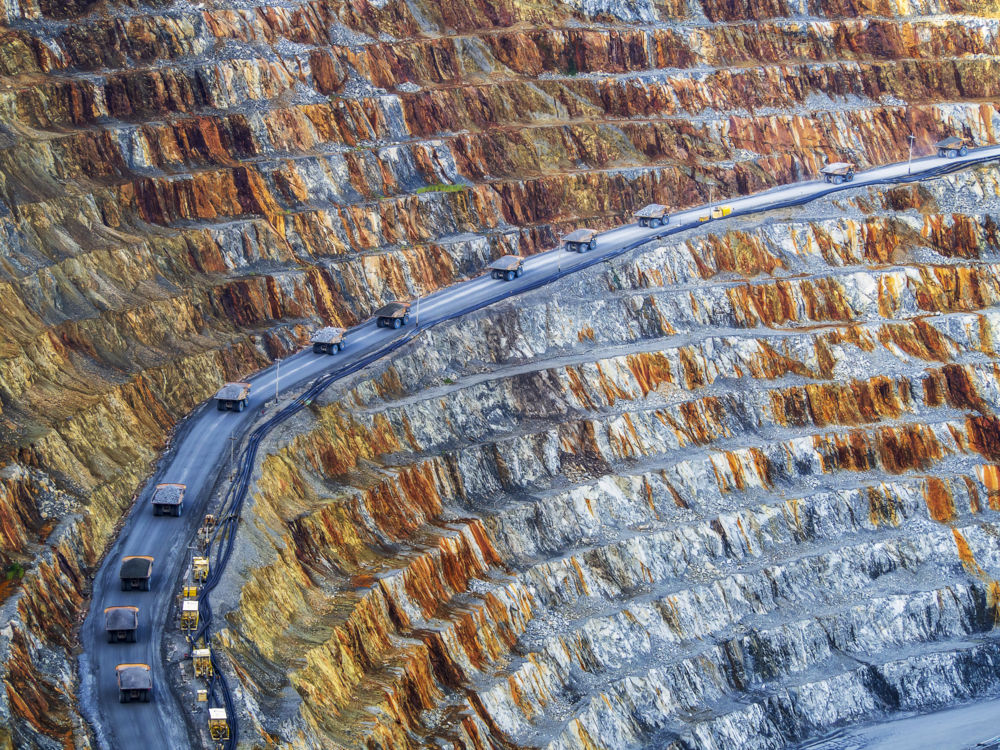
Copper stands at a pivotal moment. Global demand is accelerating along the four vectors we explored. Yet current supply is on course to decline as existing assets age. Without meaningful expansion of supply, this could result in a 10 million metric ton shortfall by 2040. This emerging gap represents systemic risk for global industries, technological advancement, and economic growth.
Figure 42. Total copper market balance (2020–2040)
MMt Cu

Note: Recycled (secondary supply) represents end-of-life scrap. Mined supply includes operating production and risked production from committed, probable and possible projects. Mined supply represents 66% of total supply (primary + secondary).
Source: S&P Global
© 2026 S&P Global
Figure 42 tells the story of how the copper market will go from a balance in 2025 to a shortfall in 2040 without adjustments. Today, demand and supply remain largely balanced at roughly 28 million metric tons. But by 2040, as discussed above, worldwide copper demand will rise to reach a total of 42 million metric tons. While primary mined supply increases in the near-term, output from existing mines falls as they age. Without new mine development and expansion of existing assets, today’s primary mined supply could decline from 23 million metric tons to 22 million metric tons by 2040. While a potential increase in copper supply from recycling from 4 to 10 million metric tons by 2040 could help close the gap, a shortfall of another 10 million metric tons will remain. To close the gap, a concerted effort – along with the proper policy, technology enablers, and investment – will be needed to increase primary mined supply from 23 million metric tons in 2025 to at least 32 million metric tons by 2040.
Figure 43. Three areas of focus for the copper supply chain challenge

Source: S&P Global
© 2026 S&P Global
Achieving this growth will be complex as the copper mining sector faces challenges both above and below ground. This includes declining ore grades; rising costs for energy, labor, and other inputs; increasingly complex and difficult extraction conditions; and pressures from investors and governments. It also includes above-ground challenges such as permitting, environmental activism,21 and extended project timelines. Meeting rising demand in the coming decades will require exceptional effort and innovation throughout the entire value chain as the industry contends with the dual imperative of increasing supply from naturally declining existing mines while also developing new mines to boost capacity.
Production from existing mines is forecast to peak in 2030 unless there is further investment in capacity expansion. Therefore, strategies to bolster copper supply need to center on prolonging the output of current operations, bringing new mining projects online, and harnessing the potential for increasing end-of-life copper recycling. To enable these changes and to avoid supply chain disruptions, copper ore processing capacities will also need to expand as the key node linking supply and demand.
Figure 44. Copper supply chain overview

Source: S&P Global
© 2026 S&P Global
3.1. Primary supply
Achieving this growth will be complex as the copper mining sector faces challenges both above and below ground. This includes declining ore grades; rising costs for energy, labor, and other inputs; increasingly complex and difficult extraction conditions; and pressures from investors and governments. It also includes above-ground challenges such as permitting, environmental activism,21 and extended project timelines. Meeting rising demand in the coming decades will require exceptional effort and innovation throughout the entire value chain as the industry contends with the dual imperative of increasing supply from naturally declining existing mines while also developing new mines to boost capacity.
Production from existing mines is forecast to peak in 2030 unless there is further investment in capacity expansion. Therefore, strategies to bolster copper supply need to center on prolonging the output of current operations, bringing new mining projects online, and harnessing the potential for increasing end-of-life copper recycling. To enable these changes and to avoid supply chain disruptions, copper ore processing capacities will also need to expand as the key node linking supply and demand.
Figure 45. Copper mined production from operating assets (2010–2040)
MMt Cu

Note: Production outlook limited to current mine plans, without accounting for potential brownfield expansions. S&P Global estimates a 4-6% yearly disruption rate from 2026 onwards
Source: S&P Global
© 2026 S&P Global
The industry is faced with a dual imperative: maintaining output from operating mines to counter natural decline, while simultaneously enabling new capacity to meet expanding global demand. Converting identified but undeveloped reserves typically requires 15 to 20 years of exploration and development, concurrent with price assumptions that will support billions of dollars of investment and the availability of appropriate technologies (see box The steps to a new mine below). This combination of time and price incentive heightens the challenge to discover, develop, mine, and produce major new sources within the 2040 timeframe of this study. Most accessible copper has been, or is being, mined already. That underscores the importance of enhancing production from existing mines, pursuing efficiency gains, and accelerating regulatory processes and incentives for new developments. It also suggests that new supplies will require exploration and are expected to be more expensive and technically challenging.
Figure 46. Copper production (2025)
MMt Cu

Notes: 2025 production numbers are preliminary as data is still being collected; DRC = Democratic Republic of Congo; ROW = Rest of the world
Source: S&P Global
© 2026 S&P Global
Figure 47. Copper reserves & resources (2025)
MMt Cu

1. R&R data is derived from S&P Global Metals and Mining Research 2. Remaining years of R&R based on 2025 global production.
Source: S&P Global
© 2026 S&P Global
Reserves vs. Resources
Resources are the speculative total amount of a naturally occurring commodity that exist that could potentially be extracted but haven’t been classified as producible reserves because they are not economic to produce at current price assumptions and current technologies and/or because of obstacles above ground.
Reserves are the portion of a resource that have been identified, confirmed, and can be economically and technically extracted.
Figure 48. Copper reserves & resources (2025)
MMt Cu

1.Remaining years of R&R based on 2025 global production
Source: S&P Global
© 2026 S&P Global
The supply gap is at risk of growing
S&P Global data indicates that many deposits that could become possible projects have been identified and could contribute to meeting demand, but mine expansions and new development need to be accelerated to address growing copper requirements. To make that possible, governments and industry will need to align and collaborate on policies, permitting, technology, and investment in order to bring mine expansions and new developments online to meet growing copper requirements.
Many proposed projects may never be developed because they do not work at the level of current price assumptions and technological capabilities. S&P Global carefully assessed project feasibility across a spectrum of development stages, from fully committed and financed initiatives to preliminary pre-feasibility concepts. As the complete pipeline of proposed projects is risk-adjusted, the challenge becomes clearer: mined supply falls short of projected demand by roughly 10 million metric tons of copper by 2040. Closing this gap will require major investment in both greenfield and brownfield22 capacity to de-risk and enable new projects to come online.
Figure 49. Baseline copper supply and demand outlook (2010–2040)
MMt Cu

Notes: The use of “committed”, “probable” and “possible” refer to the development stage of each project. Respective risk rates of 90%-100%, 65% and 40% are applied to forecast mine production of committed, probable and possible projects, respectively. Please refer to the Appendix for more information.
Source: S&P Global
© 2026 S&P Global
S&P Global’s copper project pipeline shows that 52% of the new supply could come from greenfield projects, with 48% of the supply coming from expansion of existing mines (brownfield expansions). Most new copper supply is expected to come from the Americas, with DRC, Russia, and Indonesia also potentially providing substantial contributions to supply.
Figure 50. Incremental 2040 production by country
Thousand metric tons Cu

Note: Respective risk rates of 90%-100%, 65% and 40% are applied to forecast mine production of committed, probable and possible projects, respectively.
Source: S&P Global
© 2026 S&P Global
The steps to a new mine
“Measurements of ore grade or reservoir quality in any part of a deposit are related to measurements of the same type in other parts of the same deposit. Thus, information from one hole can predict ore or reservoir quality in adjacent holes. When the reserve estimation is complete, a deposit can be divided into proven, probable, and possible reserves. Reserve estimates form the basis for a feasibility analysis to determine whether the deposit can be exploited economically. First, engineers determine the rate and cost of extraction, as well as costs for processing, transportation, and administration. Estimates must also be made of costs related to environmental monitoring and reclamation, including the amount and nature of any bonds that are required, and of taxes and royalties and other applicable charges. Finally, it is necessary to estimate future prices for the commodity of interest.
Once these estimates are on hand, the cost of extracting the resource and selling it can be compared to estimates of the future prices of the commodity to determine the potential profitability of the operation. If estimated costs are significantly less than the estimated value of future production, the deposit will probably be put into production, a process known as development. This involves the construction of… a beneficiation plant and tailing disposal areas for hard minerals. If the deposit does not look economically attractive at this stage, it will be abandoned or held for possible later reconsideration. Many projects are stalled at this stage because they do not meet requirements for economic production. If the project will be developed it might require outside financing to help with costs.”
– Excerpt from Steven E. Kesler and Adam C. Simon,
Mineral Resources, Economics, and the Environment (2016)
Mines are getting more complex
Developing new copper resources is getting more difficult. New projects and expansions must contend with factors including deeper resources, more complex geology, and the associated logistics and infrastructure challenges, impacting both project economics and production volumes. The concentration of metal embedded in the extracted ore – called the “head grade” – is a key variable. The geological quality of copper mines is gradually declining as they produce, with the average head grade falling since 2000, particularly in South America where copper production is most concentrated. In addition, higher-grade deposits are typically targeted first, particularly during the early stages of operations. The grades decline as the mine is further worked. In 2000, South America mines extracted about 1.3 metric tons of copper for each 100 metric tons of ore shoveled – in other words, a head grade of 1.3%. Since then, head grades in the region have declined by 44%, to only 0.7%.
Figure 51. Copper average head grade for major copper mines (2000–2024)
% Cu head grade

Note: DRC = Democratic Republic of Congo; average head grade represents weighted average Cu head grade based on annual Cu production for top 20 and top 100 assets modelled by S&P Global Mine Economics (all over 50 kt Cu production)
Source: S&P Global
© 2026 S&P Global
Declining head grades drive up such operating costs by increasing the amount of fuel, water, and electricity required to extract copper, lowering mine productivity. In turn, the increased ore and water handling will require additional capital expenditure for mills, conveyors, and water infrastructure. This means that costs are set to rise for both existing mines and future mines that will be developed at lower head grade sites.
Figure 52. Comparison of South America average mine site cost vs. head grade (2000–2024)
Left axis: US$ ¢/lb, right axis: % head grade

Source: S&P Global
© 2026 S&P Global
New exploration challenges require expanding current operations
The copper exploration ecosystem recovery which began post-pandemic has been placed on pause as budgets have remained flat over the last several years, still feeling the aftershocks of the last commodity super cycle that peaked in 2011. The industry's exploration efforts have not rebounded to previous levels. In 2025, exploration budgets stood at $3.3 billion, less than half the $6.6 billion peak of 2012. In addition, miners have undertaken a strategic shift, now focusing as much as 40% of exploration budgets on existing mine sites. This approach prioritizes lower-risk and quicker resource expansion, reflecting the reality that the most efficient path to new copper reserves often lies adjacent to current operations. It also reflects pressure from investors focused on returns.
As exploration activity has slowed, so have new discoveries. Significant discoveries in the last decade have been limited,23 and the overall number of discoveries has decreased sharply compared to the 1990s and early 2000s. Moreover, the total resources discovered from 2010 to 2020 dropped by a third (120 million metric tons of copper) compared to the period 2000 to 2010 (389 million metric tons). The implied exploration cost for each marginal discovery has consequently gone up, reducing future incentives for exploration.
Figure 53. Selected copper deposit discoveries (1985–2025)
MMt Cu

Notes: The chart comprises deposits with at least 10 MMt of copper reserves and resources and whose primary commodity is copper. 1. The Pebble East deposit discovered in 2005 presents a head grade of 0.57% Cu (cut off CuEQ of 0.60%); 2. Composed of multiple deposits, including Filo del Sol (2001), Josemaría (2004), and Los Helados (2009)
Source: S&P Global
© 2026 S&P Global
For now, this new focus on expanding and extending +the life of existing assets has been working. Since 2005, the industry has added 400 million metric tons of what is known as “R&R” – that is, reserves and resources – providing relief from reduced success in new exploration. These mine expansions have provided producers with increased opportunities to reduce risk and benefit from lower costs. Active drilling during production keeps adding new resource zones, often converting them into reserves over time. Improved geological models and better data integration help identify extensions of known ore bodies. Exploration near existing infrastructure is lower risk and cost-effective, encouraging continuous R&R growth. Mine life extensions are often supported by gradually expanding R&R, even while copper is being extracted.
Figure 54. Copper exploration budget by project state (1997–2024)
Real 2025 $US, billions

Source: S&P Global
© 2026 S&P Global
Figure 55. R&R change between 2005 and 2023, including produced reserves
MMt Cu

Source: S&P Global
© 2026 S&P Global
Mining costs are increasing
Mining will see increasing cost pressure as the industry faces structural challenges. Mines are getting deeper; copper head grades are falling; and fuel, power, labor, and chemicals costs are rising. Plus, overall inflation, increased capital costs, and project hurdles contribute to project development delays and economic challenges.
As new projects are required to cover the projected supply gap, this will bring increased cost pressures on the industry. S&P Global finds that the marginal cost of production – here defined as the 90th percentile24 of the cost curve – has increased by 37% between 2019 and 2025. This sharp rise for the highest cost producers means that the industry’s cost floor is moving substantially higher. As a result, producers may face tighter margins and heightened competition for capital, reshaping strategic priorities across the sector.
Figure 56. Mine cost curve over time from costed operating mines (2010 vs. 2019 vs. 2025)
Total cash cost ¢/lb

Note: Covers 85.19% of 2025 global recovered Copper production
Source: S&P Global Mine Economics
© 2026 S&P Global
Copper mining is becoming more complex. Over the last 30 years, the ore bodies that were closer to the surface have been progressively mined out, and increasingly, the ore bodies being mined today are now deeper and more expensive to access, often requiring advanced techniques such as block caving instead of open-pit methods. This shift brings higher energy demands and more intricate engineering challenges. It also lengthens development timelines and intensifies permitting requirements, particularly around water use and land disturbance. The result is a sharp rise in capital costs and operating expenses, driven by deeper shafts, sophisticated ventilation systems, and complex ore handling. This has significant implications for cost, timing, and global supply security.
Figure 57. Average depth of drilling activity (2010–2025)
Depth (meters)

Note: Diamond drilling results data for primary copper mines – for exploration drilling
Source: S&P Global Mine Economics
© 2026 S&P Global
Copper as a strategic gateway to critical minerals
Copper mines are assets that can yield more than just copper. Large copper mining operations often produce critical byproducts like molybdenum, cobalt, and rare earth elements – minerals essential for clean energy technologies and advanced manufacturing. This makes copper mining a key link in securing diversified supply chains. They can also produce valuable minerals such as gold, silver, and others.
Figure 58. Recovery of critical and precious minerals from primary copper mining

Source: S&P Global
© 2026 S&P Global
3.2. Recycling as part of the supply response
Copper recycling will also help contribute to closing the widening supply gap, though it must be paired with expanded primary production. Recovery and recycling, also known as “secondary supply,” is a mature and established industry, yet often misunderstood. Copper’s ability to be endlessly recycled without loss of quality makes end-of-life scrap recovery a supply option.
Figure 59. Overview of copper recycling

Source: S&P Global
© 2026 S&P Global
Unlike some metals, copper does not lose its main properties when recycled, making it functionally the same as newly mined material. There are generally two types of copper recycling. First is what is known as “new scrap,” or manufacturing scrap. This supply is created as a byproduct of the process of manufacturing semi-finished or finished products via excess shavings, trimmings, and other production offtake, and for this study is considered the same as direct use scrap. New scrap reenters the manufacturing in a mostly closed loop, making it relatively simple to recover.25
The second type – “old scrap” – is more challenging and more complex to collect. It is generated when a final good reaches its end-of-life and enters the waste management system. Old scrap is only partially recovered, as a high share of end-of-life copper ends up abandoned or in landfills, and factors including product lifespans, copper pricing, and scrap type all play into the economics of recycling. The recovery and reuse of old scrap could provide a meaningful quantity of copper back into use if recycling rates can be increased. Old scrap can be reused directly in certain cases or remelted and reshaped in smelters or refineries. Currently, the share of copper recovered from end-of-life products is estimated at 50%. Copper is often embedded with other metals and impurities, which can hinder recovery efforts. The challenges of collection from diverse and disaggregated end uses should not be underestimated.
Figure 60. Circular economy in the copper supply chain

Source: Luis Tercero Espinoza, Leon Rostek, Antonia Loibl, and Denis Stijepic, The Promise and Limits of Urban Mining (2020); S&P Global
© 2026 S&P Global
Recycling – essential but not sufficient
Overall copper stocks, or copper currently in use, have increased at an accelerating pace in recent years, aligned with increasing copper demand observed between 2000 and 2020. Copper currently in use in construction, power infrastructure, vehicles, machinery, and other appliances now totals over 450 million metric tons.
Figure 61. Global copper stocks in use (1960–2020)
MMt Cu

Source: Glöser et al., Tercero, L. et. Al., ICA, S&P Global
© 2026 S&P Global
With increasing volumes of copper in use across sectors, the potential for recovering scrap copper in the future, as assets reach their end-of-life, will continue to rise. Total end-of-life copper scrap volume for old scrap is projected to increase 4% annually, reaching over 15 million metric tons by 2040, driven by rising copper demand and the expected volume of end-of-life products across sectors. However, realizing this potential will require considerable investment and organization in collection infrastructure, along with incentives and permitting practices to maximize metal recovery. It will also depend on the end-of-life periods associated with different products, which may be pushed out in the future given evolving technology, markets, and infrastructure needs.
Figure 62. Global end-of-life scrap availability from 2020–2040
MMt Cu

1. End-of-life scrap availability refers to the amount of copper that becomes recoverable when products, buildings, or equipment reach the end of their useful life and are ready to be dismantled and recycled.
Source: S&P Global
© 2026 S&P Global
Accounting for collection efficiency and recovery rates across regions and industries, S&P Global estimates that with increased recycling rates from 50% in 2025 to 66% in 2040, end-of-life recycled copper could increase by roughly 6 million metric tons by 2040. Much of the future recycling growth will be a result of energy transition demand, as T&D infrastructure, renewable installations, and copper-intensive EVs reach their end-of-life and begin returning copper to the recycling loop in greater volumes. As a result, secondary supply could grow to 34% of total supply by 2040. Total recycled supply could reach 10.4 million metric tons by then. While recycling is a key part of the supply response, it is secondary to the requirement for new mined supplies.
Figure 63. End-of-life recycled copper scrap supply by sector (2020–2040)
MMt Cu

Source: S&P Global
© 2026 S&P Global
Policy will play an important role in the scaling of recycling around the world. Already, countries and regions including the US, EU, and China have policies in place that set copper recycling targets or promote the expansion of recycling infrastructure. These measures aim to increase secondary copper availability while reducing environmental impact, complementing primary production rather than replacing it.
Pricing copper scrap
As with exploration and new resource development, growing copper recycling relies on increasing collection infrastructure. The supply of scrap copper is relatively elastic compared to mined copper: its higher price elasticity of supply means it responds more to price changes, especially over the medium term. At high copper prices, more efforts are undertaken by scrap yards and metal processors to extract and recover the metal, though short-term responsiveness is limited by existing scrap generation. Depending on the quality of copper scrap, recycled copper typically trades at a discount from benchmark copper prices.
The size of that discount reflects supply-demand fundamentals, collection costs, quality penalties, and processing requirements. High-grade scrap trades at prices closer to high-purity copper cathode prices, while lower-grade material has greater discounts to cover processing and cleaning costs. Potential mined-supply shortages will continue to incentivize more recycling of material. This elasticity allows the market to adjust by increasing the supply of scrap copper when prices rise, helping stabilize the market.
Figure 64. Prices of refined copper and copper scrap (2004–2024)
Real 2025 US$ per Mt Cu

Notes:
*No.1 copper scrap: Unalloyed scrap with a purity level of 99.5%, typically found in wires, tubing, bus bars, and clippings. Brass and wire rod mills mainly use it and can process it directly into semi-finished products without refining.
*No.2 copper scrap: Unalloyed scrap with a purity level of 94-97% is found in mixed wire, tubing, and solids. Fire refiners and ingot makers primarily process it because it requires refining before further use.
*Red brass scrap: Alloyed scrap with a purity of about 92.5%, containing approximately 1% lead and 7% zinc. It is commonly found in valves, bearings, and castings. Smelting and refining are required, and it is mainly processed by ingot makers and foundries
Sources: USGS, ISRI, S&P Global
© 2026 S&P Global
Understanding how mining is changing: new technologies
Often not recognized in discussions and debates about mining is the degree to which the industry is focused on innovation in order to increase output, manage costs, and address environmental issues and concerns.
Some examples: The development of ‘digital twins’ – integrated platforms of geological and engineering data that allow rapid scenario-modelling and distribute unified results to a range of specialists – have been particularly successful at accelerating mine planning. The continuing roll-out of autonomous hauling and drills has improved safety outcomes. The deployment of networks of sensors across mining operations has supported predictive maintenance, reducing downtime.
Miners are enhancing their operations to lower cost and enable recovery of copper beyond the historical mine life plans.
Advanced sulfide leaching techniques, such as pressure oxidation and chloride-based processes, enable recovery from ores that are harder to process using conventional methods. These approaches use specialized chemical and thermal conditions to break down minerals that would otherwise require high-temperature smelting, which is costly and energy-intensive. By making these challenging ores accessible, advanced leaching expands the resource base and reduces the environmental footprint of copper production.
Leaching also could be applied to tailings – the waste material left after initial ore processing – to extract additional copper that was not recovered initially. This practice further improves resource efficiency and reduces the volume of mining waste.
Bioleaching takes a different path: instead of heat and chemicals, it uses naturally occurring microorganisms to release copper at normal temperatures, making it far less energy-intensive, though typically slower.
Bulk ore sorting, powered by sensors like X-ray transmission and near-infrared scanning, separates ore from waste early, cutting milling costs and improving throughput.
In exploration, AI-driven geoscience modeling integrates multiple datasets into predictive 3D models, improving drill targeting and reducing guesswork, while hyperspectral imaging and unmanned aerial vehicle (UAV)-based mapping accelerate surveys in remote areas.
These examples are not exhaustive – other advances, from real-time flotation optimization to machine learning for geophysical interpretation, are also reshaping copper mining and exploration. Together, they make supply development faster, more cost-effective, and better aligned with the accelerating demand for electrification and digitalization.
Copper for AI – AI for copper
The importance of copper as a conductor in AI data centers has been described in Chapter 2 of this report. Access to copper is critical for the AI boom to take off and for the data center build out to occur. Ironically, the mining industry is using AI itself to try to speed up the production of copper needed for AI. AI applications promise cost savings, enhanced safety, improved efficiencies, and a reduction in carbon footprint. Major copper producers at the forefront of “smart mining” initiatives employ autonomous haulage systems and advanced digital technologies to enhance copper recovery. AI-driven geoscience software is revolutionizing the industry by analyzing vast amounts of geological data to identify mineral-rich areas, significantly reducing exploration time and costs.
These improvements could, for example, make non-economic deposits economic (e.g., lower cost of production or guided drilling) or speed up the mine lifecycle. But the full potential of AI in mining is far from realized. There are also notable challenges and risks associated with the approach: system integration and cost, workforce training, and data security.
Figure 65. AI applications in mining

Note: Non-Exhaustive
Source: S&P Global: A peek at AI revolution in mining: promise meets peril (January 2025)
© 2026 S&P Global

4.1. The role of smelting and refining in connecting supply and demand
Smelting and refining constitute a single point of strategic criticality for the copper market, linking global supply with demand. The high regional concentration of facilities makes the overall supply chain sensitive to volatility or disruption, despite existing overcapacity. During mineral processing, the smelting process is used to extract copper from copper concentrate (typically containing 20-30% of copper) by heating and melting, which separates the metal from impurities. This step is followed by refining, which further purifies the copper typically through electrochemical methods.
These processing steps sit between the mined ore and the final product, making them vital nodes in the supply chain. While mined copper production has grown steadily, smelting and refining capacity has changed unevenly. The ability for mined supply to meet end-use demand increasingly hinges on whether the smelting and refining industry can overcome challenging economics and increase investment through 2040, as a processing deficit looms.
Figure 66. Copper market supply chain breakdown (2025)
Illustrative

Note: ROW = rest of the world; SxEW = Solvent extraction and electrowinning
Sources: S&P Global, ICSG Copper Factbook
© 2026 S&P Global
While both the US and China will be major consumers of copper in the years to come, the two countries’ trajectories on supply and processing are quite different. While limited supply (mostly through recycling) and processing will cause the US to continue to rely heavily on imports of final copper cathode material, China’s scaling of processing capacity provides it with more sourcing options from concentrate suppliers.
Figure 67. Copper supply chain comparison, US vs. China (2025)
MMt Cu

Sources: S&P Global, ICSG Copper Factbook
© 2026 S&P Global
A teach-in on copper processing
Copper’s path from ore in the ground to wire, whether in a new home or a data center, passes through two particularly crucial processing points: smelting and refining. Once the copper ore is extracted, the rock goes through crushing, milling, and processing, typically on or near the mining site, to produce copper concentrate. This copper concentrate is then shipped to smelters which are responsible for extracting copper from its sulfide materials and removing major impurities. Copper concentrate typically contains 20-30% of copper and other by-products, which need to be separated. Some of these by-products include gold and silver, which provide additional revenue. Extracting others, such as arsenic or fluorine, entail additional costs.
Several smelting techniques are in use today, including flash smelting in a closed furnace with a reaction shaft, bath smelting, top submerged lance smelting, and others. In smelting, concentrate gets converted to “blisters” at 98% copper content, which are then melted again into thick plates called anodes. These anodes are 99% pure. But these are still not pure enough for final applications. Following smelting, refining is used to further increase purity to a level that is suitable for electrical and industrial use. Refining, typically located in the same region as smelting, takes the copper anode and converts it into a cathode of over 99.97% copper content, which is then used for semi-product manufacturing. Amidst all these various stages, it is copper cathode that serves as the primary globally traded benchmark product due to its standardized and uniform characteristics.
Copper processors are either operated by mining companies (integrated), through trading companies or as pure-play copper smelting and refining companies (non‑integrated). Integrated smelter and refiners process mined copper concentrate that comes from mines belonging to the same company, thus streamlining operations under a single entity. Traders buy concentrate from mines through offtake agreements, regular contracts, or on the open market, which they either then blend to adjust purity and sell or process through their own smelting operations. Non‑integrated pure-play (custom) smelters and refiners buy concentrate from mines and aim to offer competitive market terms to the miners based on payability of material and what are known as ‘treatment and refining charges’ (TCRC). Roughly 40% of concentrate is impacted by these TCRCs.
The matter of costs
While miner revenue streams are almost entirely dependent on metal prices, smelter and refiner economics differ. Smelters and refiners get paid to provide the service of converting the copper concentrate into refined copper, receiving TCRC plus the cathode premium. In normal times with abundant concentrate, these TCRCs make up the bulk of smelter and refiner revenues, increasing with rising facility utilization. However, if there is a concentrate shortage, those charges could run negative (in other words, smelters pay to capture ore that is in short supply), severely impacting the smelter economics. In addition to the TCRC revenue stream, processors also get by-product credits from other metals contained in the concentrate, so they are incentivized to recover and separate as much as possible.
Figure 68. Typical/historic sources of revenue by parts of the value chain
For merchant concentrate – non-integrated smelters

*Typically pays for between 90% and 98% of the silver and gold in concentrate, with some deductions. Smelters often receive additional by-product credits by exceeding agreed-upon payable recovery for precious metals.
Sources: S&P Global, Boliden, ICSG, FEECO
© 2026 S&P Global
Alternative production pathway: Solvent extraction and electrowinning
In addition to traditional smelting and refining, copper cathode production through solvent extraction and electrowinning (SxEW) accounted for roughly 20% of output in 2024.
SxEW typically involves processing lower-grade oxide and sulfide ores to produce refined copper cathodes directly at the mine site. This hydrometallurgical process, also known more colloquially as leaching, occurs near the mine site where low-grade concentrates are collected. Copper is then extracted from the ore through a multistep process using sulfuric acid, solvents, and electricity. While this processing method is not new, advancements in solvents, the implementation of AI, and reduced capital and operating expenses – all these can make SxEW a viable alternative to smelting and refining. Additionally, producing the copper cathode using this method requires 30% less energy than smelting and refining, while also saving the same percentage of emissions. However, compared to smelting, SxEW can achieve lower copper recovery from ores and is not typically suitable for primary sulfide ores which dominate global reserves.
In the last 10 years, the growth in smelter capacity has outpaced new mined concentrate production. The industry has seen an increase of 8 million metric tons of new smelting capacity, whereas copper concentrate production has increased by only 3 million metric tons in the same period. These dynamics have created increased competition between smelters for access to concentrate, putting pressure on treatment charges. The result is to crowd out less competitive smelters.
Figure 69. Smelting copper capacity by region (2009–2028)
MMt Cu

Sources: S&P Global, ICSG Copper Factbook
© 2026 S&P Global
It is estimated that to build a smelter in the West would cost somewhere between one and four billion dollars, depending on the facility. Moreover, in many jurisdictions, a new smelter would likely face considerable challenges in the permitting process and in courts. Changes in the copper smelting environment have been largely driven by increases in Chinese smelter capacity from 2000 onwards. Chinese smelters now represent roughly 40% of total smelting capacity and dominate the imports of the main input, mined copper concentrate. This makes them increasingly important in annual treatment charge negotiations with copper miners. In the same period, the market share of the top three producing countries for mined copper – Chile, DRC, and Peru – has decreased.
Figure 70. Regional concentration (2018–2028)
% of total

Sources: S&P Global, ICSG Copper Factbook
© 2026 S&P Global
4.2. The economics of processing walk a thin line
It is estimated that to build a smelter in the West would cost somewhere between one and four billion dollars, depending on the facility. Moreover, in many jurisdictions, a new smelter would likely face considerable challenges in the permitting process and in courts. Changes in the copper smelting environment have been largely driven by increases in Chinese smelter capacity from 2000 onwards. Chinese smelters now represent roughly 40% of total smelting capacity and dominate the imports of the main input, mined copper concentrate. This makes them increasingly important in annual treatment charge negotiations with copper miners. In the same period, the market share of the top three producing countries for mined copper – Chile, DRC, and Peru – has decreased.
Figure 71. Illustrative smelting revenue structure

Copper Smelter Revenue calculated for a 1.2 Mt Cu Conc facility with 27% Cu head grade, 50 g/t Ag and 20 g/t Au content
2023 Prices assumed: TC: $88/dmt, RC: $56/dmt, Ag RC:$0.5/Oz, Au RC:$5.0/Oz, Cathode Premium: $100/dmt, Sulfuric acid: $40/dmt, Free metal recovery of 2% Cu, 1% Au and 1%Ag (Cu: $8,517/t, Au: $2,300/Oz, Ag: $28.25/Oz)
2025 Prices assumed: TC: $-40/dmt, RC ($13/dmt), Ag RC:$0.5/Oz, Gold RC: $5/Oz, Cathode Premium: $100/dmt, Sulfuric Acid: $65/dmt, Free metal recovery of 2% Cu, 1% Au and 1%Ag (Cu: $9,559/t, Au: $3,300/Oz, Ag: $45/Oz)
Sources: S&P Global Analysis, Moosavi-Khoonsari et Al (2024)
© 2026 S&P Global
In a rush to secure feedstock and capture those other revenue sources, TCRCs have dipped below zero. In these unusual circumstances, the smelter pays the miner to process the ore and keeps the by-product revenues from other metals contained in the ore and sulfuric acid. Although some smelters can withstand the cost in the short term, difficult economics could force smelter closures.
Figure 72. Spot TCRCs (2021–2025)
¢/lb (CIF Shanghai)

Noite: In dry metric tons, Reflects the total TCRC impact in cents per lbs (TCs are typically quoted in $/metric tons, and RCs in cents per lbs)
Sources: S&P Global Market Intelligence; S&P Global Energy
© 2026 S&P Global
In this market, smelters have a lower ability to absorb the shock of decreasing revenues as they do not benefit as much from direct price exposure to copper as miners would. If smelting capacity contracts just as demand for refined copper accelerates, the constraint shifts from mine to furnace, delaying metal availability even if the concentrate is produced.
Figure 73. EBIT margin of copper smelting and mining companies (2010–2024)
%

Note: List includes Yunnan Copper, Tongling NonFerrous Metals Group, Zhe Jiang, Jiangxi Copper Ltd, Ningbo Jintian Copper, JX Advanced Metals Corp, Aurubis AG, and Boliden
Sources: S&P Global, Visible Alpha
© 2026 S&P Global
The economics of smelters, while currently pressured by low treatment charges, vary significantly across regions. Operating costs are influenced primarily by electricity, fuel, labor, and maintenance/utilization rates. China-based smelters tend to have structurally lower operating costs than other regions, driven by relatively competitive industrial electricity rates, access to skilled lower-cost labor, and modern capacity with less need for maintenance. These lower costs help make China-based smelters more resilient in a volatile market.
Moreover, other factors are essential in shaping competitiveness. First, the ability to negotiate TCRCs is key. In China, the role of the China Smelters Purchasing Group (CSPG), which coordinates negotiation positions among major smelters, can amplify bargaining power during annual benchmark discussions.26 This collective approach helps large Chinese smelters secure more predictable terms and reduce the volatility. Second, clustering effects further strengthen competitiveness: the close concentration of smelting, refining, semi fabrication, and final good manufacturing facilitates logistics costs and talent sharing. As the copper market and supply chain continue to evolve, these factors will play a role in how the smelting and refining players adapt to meet growing needs.
Finally, technology matters. Modern copper smelting technologies, particularly those utilizing flash smelting or IsaSmelt27 processes, deliver notable improvements in efficiency and process control compared to reverberatory furnaces still operating in select regions. These advanced methods enable production of cleaner copper anodes and facilitate enhanced recovery of by-products – including gold, silver, tellurium, and selenium – from copper anode slime during subsequent electrolytic refining. Additionally, newer smelters are engineered for greater thermal and chemical adaptability, supporting the economical processing of a broader spectrum of feedstocks. This includes not only lower-grade copper concentrates but also mixed, complex, and lower-value copper scrap. As a result, these facilities are better positioned to access secondary material streams, whereas older, less flexible US smelters – primarily designed for high-grade ore – face limitations in processing such inputs efficiently. Large capital investment would be required to process lower-grade scrap.
5.1. Copper supply chains
In itself, copper is roughly a $250 billion business. But of course, it is much more when one considers that so much of the goods that are shipped around the world depends on the “copper inside”.
The supply chains that carry copper span the globe, as discussed in the chapter above. They link the long, uncertain process of exploration and the complex scale of mining with the industrial systems and advanced technologies that depend on copper at every stage of value creation. Figure 74 traces the flow of copper from primary production through the supply chain and the role of trade across each step.
Figure 74. Trade at major stages of the global copper supply chain

Source: S&P Global
© 2026 S&P Global
Risk accumulates where the flow is most concentrated. On the export side, a limited number of countries dominate concentrate production and shipments. On the import side, ore and concentrate imports are even more concentrated, with a small group of large processors purchasing a disproportionately high share of globally traded feedstock. This dual concentration has significant impacts: it shapes pricing power, determines the structure of offtake contracts, and locates where value is captured along the chain. In 2024, global mine output of concentrate lagged available smelting capacity by roughly 1.5 million metric tons of copper content, creating a global competition for copper concentrate imports that pushed smelter TCRCs to multi-year lows. The consequence was to shift bargaining leverage toward miners. Because new copper mines average 17 years from discovery to full production, this imbalance between mine output and processing demand is likely to persist.
5.2. Copper trade and tariffs
Modern smelters are designed to operate at high utilization rates even when TCRCs are compressed. Several structural advantages support this: competitive industrial power pricing; scale efficiencies in large integrated complexes; access to low-cost finance; and – of importance – the ability to process a broader range of mineral-bearing concentrates.
This last capability is increasingly important. Many large smelters can process “polymetallic” concentrates – that is, concentrates that contain other minerals – gold, silver, molybdenum, and minor metals such as selenium and tellurium. These by‑product metals provide additional revenue streams that allow processors to offset low copper TCRCs with by-product credits. Figure 75 illustrates how investment in modern smelting capacity, combined with lower energy costs and economies of scale, have concentrated refining capacity in dominant processing hubs. Between 2015 and 2024, China’s share of concentrate imports rose substantially from 43% to 66%, in line with China’s expansion of smelting capacity mentioned in the chapter above. The share of all other major importers declined. These polymetallic smelters, operating at scale, have a decisive competitive advantage: they remain profitable at TCRC levels that make new or higher-cost smelters elsewhere difficult to finance or operate.
Figure 75. Largest global copper ore and concentrates importers
Percentage share of imports (%)

Harmonized Tariff Schedule code 2603 – Copper ores and concentrates. Data compiled from Global Trade Atlas on October 10, 2025.
Source: S&P Global Market Intelligence
© 2026 S&P Global
When concentrated, modern smelting capacity commands the largest share of ore and concentrate imports, commercial decisions exert outsized influence on global benchmarks and contract structures. Persistent low TCRCs discourage new smelter projects in regions with higher operating costs or stricter permitting, reinforcing geographic concentration. This raises barriers to entry, increases systemic exposure to disruptions in a few locations, and limits the development of more diversified processing capacity.
These dynamics extend upstream and downstream. Manufacturers of transformers, motors, cables, and data-center components depend on predictable access to refined copper and semi-finished goods. Upstream, miners make exploration and development decisions based on long-term price expectations and offtake terms. If control of copper trade accrues at the processing stage – through tight control over concentrates and by-product capture – such concentration can weaken exploration spending, slow the pipeline of new deposits, and perpetuate the imbalance between mine output and processing demand.
The turmoil in the rare-earth sector offers a structural parallel. Over time, separation and processing capacity became highly concentrated. When export controls as part of larger trade tensions were later applied to rare-earth oxides and magnet materials, the impact fell directly on industrial processes in importing countries, which lacked alternative routes for processing. A wide range of manufacturing capabilities were abruptly put at risk. Short-term price movements had masked a deeper vulnerability. Copper has important and different characteristics from rare earths, but there is an underlying lesson: when mine development is slow and processing is concentrated, policy shocks at the processing stage can propagate quickly across global manufacturing chains.
5.3. Aligning tariffs and industrial policy
Tariffs are often introduced to encourage domestic production, stimulate investment, or protect strategic industries. In copper, however, their effects depend heavily on where they are applied along the supply chain and how they interact with geology, project timelines, cost structures, and existing industrial capacity.
There is nothing simple about tariffs. Managing tariff policy is complicated by the structure of the tariff system itself. Tariffs are defined at detailed product levels –for example HS-6 (the internationally harmonized six-digit product classification) and HS-8 (national extensions to greater specificity). They are then modified by free‑trade agreements, anti-dumping and countervailing duties, safeguard measures, and national-security actions. Exemptions, quotas, and temporary executive orders further alter effective rates. The result is a highly complex structure in which the actual tariff applied depends on precise product classification, origin, and the overlay of special measures.
High tariffs on imported ores or concentrates raise costs for domestic processors and manufacturers without generating new mine supply in the near term, given the long timelines for new projects. High tariffs on semi-finished or finished copper products, even with tariff-free ore imports, can inadvertently reinforce the processing and manufacturing advantages of competing regions with lower operating costs and established smelting capacity.
Market shocks in July 2025, based simply on rumors of impending US tariffs on copper, illustrate the sensitivity of market perceptions of tariff structure. When the US Administration announced plans for a 50% tariff on copper imports, markets initially interpreted the measure as applying to raw refined copper. That interpretation triggered an immediate surge in prices in the two major copper exchanges. In the COMEX (Commodity Exchange Inc.), the US futures exchange where copper is traded primarily as a financial instrument, copper futures spiked sharply. In the LME (London Metal Exchange), the home of the global benchmark exchange for physically deliverable industrial metals, prices rose, and the spread with COMEX widened significantly – signaling differences in regional supply-demand conditions, financing costs, and logistics, and a tighter US market.
Once an official announcement made clear in July that the 50% tariff would apply primarily to semi-finished copper products and copper-intensive derivatives, not to copper concentrate, prices corrected and spreads narrowed. A dramatic point was made: expectations alone – even before final tariff schedules are published – can distort price discovery and affect hedging, contracting, and supply-chain planning.
Figure 76. Increase of US input costs and output prices for selected electrical components
% CAGR, 2020Q1 to 2025Q2

Note: Chart shows Compound Annual Growth Rate of cost and price over the period 2020Q1 to 2025 Q2. Prices represent US Producer Price Indexes for Power and Distribution Transformers Except Parts (NAICS 3353111), Switchgear (NAICS 3335313A), Integral Horsepower Motors and Generators Ex. L and Tran. (NAICS 3353123), Panelboards (NAICS 3353133).
Sources: S&P Global Market Intelligence, United States Bureau of Labor Statistics
© 2026 S&P Global
In the same vein, tariffs on semi-finished copper can amplify downstream pressures and distortions. Figure 76 shows that from 2020 to 2025, US transformer prices rose nearly 45%, reflecting raw-material inflation and the July 9 tariff pass-through. Similar increases occurred in switchgear, motors, generators, and panelboards – essential equipment for grid modernization, electrification, and digital infrastructure. When tariffs are not aligned with the supply-chain competitiveness or the capacity to respond, they can raise domestic product costs without necessarily diversifying supply.
A world in which tariffs play a more significant role will have many and varied impacts. Depending on where they fall, they can encourage or discourage investment. They can provide greater predictability or they can increase uncertainty. They can help producers and impose costs on consumers or vice versa. They can benefit some segments in the value chain and disadvantage others. They can be put on or taken off. They can certainly change how copper in all its forms – from rocks to final products – flows around the world. They can make themselves felt in direct tariffs related to copper or on the products that embody copper that are shipped across the globe. One thing does seem certain. If the current trend continues, tariffs will be among the significant risks and uncertainties for the global trade in copper.
Transforming copper supply chains through financing and policy mechanisms
New policy frameworks and funding mechanisms are emerging globally to strengthen copper and broader critical mineral supply chains, reflecting their strategic importance for energy transition and industrial competitiveness.
Major economies are embedding copper into critical mineral strategies that unlock financing and incentivize localization. In the US, policies like the DOE Critical Mineral Strategy are advancing actions to reduce dependence on imports, further technological innovation, and address supply chain challenges, while major legislative packages have unlocked incentive funding and permitting reform. The EU’s Critical Raw Materials Act (CRMA) and recent RESourceEU Action Plan set targets for extraction, processing, and recycling while streamlining permitting and furthering actions to secure the supply chain. In Canada, copper was designated a priority commodity through its Critical Mineral Strategy and has been the subject of targeted incentive programs with the goal of expanding exploration, processing, and recycling value chains. Australia’s Critical Minerals Strategy and Resource Industry Growth Initiative, along with its partnership with Japan, prioritize joint investment and regulatory simplification. China, meanwhile, continues to deploy state-backed financing through its Belt and Road Initiative to secure copper resources in Africa and South America, as well as developing domestic policy initiatives to address copper supply and use.
Copper mines are capital intensive, and capital has been difficult to procure for many projects across the globe. Sovereign wealth funds and institutional investors are increasing efforts in financing projects domestically and abroad to develop copper resources and other critical minerals. Saudi Arabia’s Public Investment Fund (PIF), Abu Dhabi’s Mubadala, and the Qatar Investment Authority are actively investing in copper mining and midstream ventures to secure supply and support industrial diversification. The PIF invested in Manara Minerals, a joint venture with Ma’aden, to drive strategic investment in copper companies and assets. PIF, with Ma’aden, also partnered with Ivanhoe Electric to increase exploration activities in the Arabian Shield region. Sovereign Wealth Fund investments in assets like Reko Diq (Pakistan), Mopani (Zambia), Kamoa Kakula (DRC) underscore the growing role of sovereign capital in copper financing shaping copper supply chains.
In addition to policy actions and funding mechanisms, several countries are also pursuing special economic industrial zones as hubs for copper processing. Saudi Arabia and the UAE are developing integrated industrial ecosystems that could include copper cathode and rod production, leveraging competitive energy costs and strategic locations. These zones offer tax incentives, infrastructure support, and streamlined permitting to attract global partners. Similar initiatives in China and select European countries aim to localize midstream capacity and reduce reliance on traditional processing hubs. Together, these combined policies, investments, and industrial initiatives illustrate the global shift toward securing copper supply chains as a foundation for economic growth and resilience.

While the need to increase global production of copper is ever clearer, several above‑ground challenges persist. This chapter examines these challenges, which shape the development of copper mines, and the lessons that emerge from them. A central challenge is time: as detailed below, the long and lengthening timelines required to discover, assess, permit, finance, and construct a modern copper mine have become one of the most significant constraints on project viability. Extended development cycles raise capital requirements, delay cash flow, and increase exposure to regulatory or political shifts. In the context of the emerging shortfall in global copper supply, these risks are not just commercial – they directly affect the world’s ability to secure the copper needed for electrification, grid modernization, digital infrastructure, and the broad productivity gains that accompany copper-intensive applications.
6.1. The cost of time: mine development stretches out
On average, a new copper mine takes 17 years from first discovery to first production. More than two-thirds of that time – over 12 years – is consumed by early exploration, feasibility studies, environmental assessments, and legal or administrative delays or challenges in obtaining permits.
Figure 77. Development times for copper mines, global average

Note: Based on an S&P Global Capital IQ dataset of 214 mines that (i) were discovered since 1983; and (ii) have either come online or have an estimated start-date. Note that this excludes mines that have begun development but do not have an estimated start-date. Including those mines would increase average global development times long beyond 17 years. See, for example, S&P Global (2024), Mine Development Times: the US in Perspective [accessed 5 December 2025].
Source: S&P Global Market Intelligence, Metals & Mining
© 2026 S&P Global
These timelines are getting longer. Projects that began production in the late 2000s took on average 13 years to develop, while those that began production in the early 2020s typically took 18 years.28 Longer development times are widely attributed to new and expanded environmental challenges and permitting requirements, especially in countries that require baseline feasibility studies of impact on communities and the environment. The landscape of consultations with local communities is expanding, addressing concerns that span highway safety, water scarcity, waste management, and employment opportunities. Navigating the intricate web of national, sub-national, and local laws presents its own challenges.
Furthermore, the involvement of a wide range of agencies and regulatory bodies, whose authorities frequently overlap, adds complexity. At each stage of the permitting process, there remains the potential for legal intervention by opponents, underscoring the multifaceted nature of these engagements. All these add to the scale and complexity of permitting (see the “Permitting in the United States” case study below). Defined processes (environmental, community engagement, etc.) are important for the sector, but standardization is key as differences across jurisdictions create delays and uncertainty for investors.
Across Latin America, for example, community consultation has become central to mine development, but the boundaries can be unpredictable. National frameworks – many influenced by International Labour Organization (ILO) Convention 169 – vary widely: Mexico and Chile use non‑binding citizen consultations, while Peru’s binding Indigenous consultations can halt or reshape a project. Experience has shown that well-designed consultations can strengthen legitimacy, long-term stability, and community partnership, including job creation. But when the scope, sequencing, or duration of consultations is unclear, uncertainty grows – and multi-year delays can undermine project viability and eventually constrain copper supply. There is a further complication: intervenors may have different motivations. Some may be concerned about road congestion and water availability. Others may be opposed to mining for environmental, ideological, or political reasons. Some may be seeking a source of revenue. Thus, there is a practical challenge: how to uphold meaningful consultations while providing predictable, time‑bound processes that give all stakeholders clarity.
The scale of modern copper mines compounds these challenges. Copper deposits tend to be lower grade and more diffuse than most other metals (see Chapter 3.1 Primary supply). Larger sites and more extensive drilling are required to define viable deposits. Bulk-tonnage mining – extracting vast quantities of material to achieve economies of scale – may necessitate significant investment in infrastructure such as new access roads (especially for remote sites), power connections, water systems, and waste management. All these demand comprehensive planning and assessment, triggering additional reviews.
Permitting in the United States
The US permitting process illustrates the scale of the permitting challenge. But growing consensus around the need to simplify the process has formed several paths for reform.
Recurring legal risks
The chart below illustrates the core elements of the US mine permitting process. Permits are issued after successful completion of a plan of operations and then an environmental impact statement that can entail multiple agencies. Litigation can occur at multiple stages, with even more extensive opportunities for court challenges since the Supreme Court ended the so-called ‘Chevron deference’ policy of deferring to agencies for the interpretation of statutes in June 2024.29 (In May 2025 the Court clarified that courts should still defer to agencies' technical and analytical assessments in environmental reviews.30
Figure 78. Illustrative National Environmental Policy Act (NEPA) permitting process map
Note: This is a simplified illustration. In practice, multiple other federal- and state-level permits are required before a mine is allowed to be constructed.
Source: S&P Global
© 2026 S&P Global

Efforts to Address US Permitting Delays
The threat to strategically important sectors has, however, been recognized across the political spectrum and several actions taken:
- In December 2015, the Obama Administration created FAST-41 (Fixing America’s Surface Transportation Act, Title 41), a centralized process through the Federal Permitting Improvement Steering Council (FPISC) to coordinate – not waive – environmental reviews across multiple agencies, reducing duplication and delays. Only in May 2023 did the first US mining project receive FAST-41 designation – South32’s Hermosa underground project in Arizona for zinc, manganese, silver. The project now has a public permitting dashboard with clear timelines, milestones, and accountability for agencies.
- In June 2023, The Fiscal Responsibility Act was passed during the Biden Administration. Among its provisions, it reduced the scope of major federal action in mining permits so that capacity can be added to existing sites without review; and allowed permit applicants to prepare environmental impact statements themselves so that agencies need only review them, saving significant time.
- The Trump administration has given two executive orders to accelerate permitting in the US (EO 14241, March 2025) and development of offshore resources (EO 14285) – both name copper. In April, the Administration added five more projects to FAST-41, including the Lisbon Valley project, to expand an existing site.
- If passed, the Standardizing Permitting and Expediting Economic Development (SPEED) Act, introduced in July 2025, would set deadlines for environmental impact reviews and for legal claims. It would also limit the scope for those reviews and aim to reduce duplication.
Note that the US is not the only country to recognize the challenge of supplying copper. Argentina, where copper mine development has averaged three decades, has been among the boldest. The Régimen de Incentivo para Grandes Inversiones (RIGI, 2024) aims to provide comprehensive fiscal stability for large-scale projects in strategic sectors – including tax and customs rates fixed for 30 years; reduced corporate income tax from 35% to 25%; VAT exemption during construction; and no export duties after the third year of operations (or the second for projects above $1 billion).
These developments, however, are relatively recent – especially compared to mine development times. Their impact on copper production will likely take years to establish in the data.
6.2. Copper’s rising cost and capital intensity
The copper industry is grappling with a structural shift to a higher cost base, driven by a confluence of persistent inflation, deteriorating geological fundamentals and escalating capital requirements for new projects. It takes more equipment, mining to farther depths, to extract and then process the volume of ore needed for commercial viability. For example, the global ratio of waste rock to ore in copper mines, the ‘stripping ratio,’ has increased from 1.47:1 in 2021 to an estimated 1.80:1 in 2025. This raises both the capital and operational expense of copper mines.
In recent years, general inflation has further increased operating costs by driving up the prices of equipment, labor, and energy. Costs have risen for diesel, natural gas, and electricity needed for operations. From 2021 to 2024, the total cash cost per ton of ore treated surged by a cumulative 28%, from $23.6 to $30.2 per metric ton. This was mirrored by all-in sustaining costs (AISC) on a co-product basis, which climbed 23% to 268.7 cents per pound. While costs will stabilize as global inflation does, they are likely to do so at this permanently higher level.
The copper industry needs to meet future demand for the metal, estimated at 42 million metric tons by 2040, as identified in Chapter 2 Copper demand in the age of AI above.
Building new copper mines is expensive and slow because of many physical, regulatory, and bureaucratic challenges. S&P Global looked at the capital and operational costs of new and expanding mines to understand what copper price would be needed to encourage more development.31
Figure 79 shows that, even if all the listed mining projects overcome the necessary barriers to proceed and do not face more cost increases, the 2025 average copper price of $9,500 per metric ton is only high enough to make roughly 60% of projects profitable, leaving the remaining 40% potentially uneconomical.
Figure 79. New copper projects’ capacity ranked on total incentive price, 2035
Total cost, thousand US$/ metric ton Cu

Note: The total cost per asset was calculated as the sum of Opex, A 15% return on capital invested (levelized CAPEX), sustaining Capex, and royalties. Opex for non-operating assets was modelled based on capacity and location. Levelized Capex was derived from the NPV (net present value) of Capex and production, using announced or modelled values by location, type, and size of the deposit; and a discount rate of 15% was considered for all assets. Sustaining Capex for non-operating assets was set at 2% of initial Capex, and royalties were estimated using country-average rates based on production.
Source: S&P Global
© 2026 S&P Global
The growing capital intensity and cost of new copper projects carries implications that extend far beyond the mining sector. Higher development costs translate into elevated copper prices, and those prices ripple through the economy in ways that are often underestimated. Electrical infrastructure becomes more expensive to build, renewable energy projects face rising installation costs, and data centers see an increase in capital expenditure per megawatt. For example, a 2,500 kVA power transformer can contain over one metric ton of copper – about 30% of its total mass – making it highly sensitive to copper price movements. What begins as a challenge of project economics evolves into a constraint that affects the affordability of electrification, the pace of digitalization, and the economics of energy transition. Copper is not only a physical bottleneck; it is becoming a financial variable that shapes investment decisions and influences how quickly critical projects move forward. Copper prices moved into a higher range during COVID-19 and have recently surpassed $11,500 per metric ton.
Figure 80. Spot copper LME price
US$/metric ton Cu

Source: London Metals Exchange
© 2026 S&P Global
Copper's role in the new era of AI data centers highlights its strategic criticality, as the metal alone accounts for a significant, multi-million-dollar component of the total capital expenditure of a single data center. For a large, greenfield AI training data center – like one with a 230 MW capacity and an estimated total cost of $3 billion—the massive quantity of copper required for power, cooling, and connectivity systems translates directly into a substantial cost. Based on its high-intensity use of 44 metric tons of copper per MW and the December 2025 spot price of $11,500 per metric ton, the sheer volume of copper needed for such a facility runs to nearly 10,000 metric tons, pushing the total material cost of copper to nearly $115 million.
6.3. Shifting terms and the ‘obsolescing bargain’
Mining is inherently a long-term, capital-intensive investment, often requiring billions of dollars and decades of commitment before reaching full production. Because public budgets rarely have the capacity to finance projects of this scale nor public authorities the capabilities, governments generally depend on private capital to develop mines and supporting infrastructure. To secure such investment, governments at the beginning typically offer stable tax regimes, competitive royalty frameworks, predictable permitting procedures, and balanced local-content obligations – assurances meant to give investors confidence in a project’s long-term viability. Yet once capital is sunk and construction is well underway or the mine operating for a couple of years, bargaining leverage shifts: the investor becomes committed, the host government less constrained, and the incentive to revisit earlier commitments increases. This shift in bargaining power – after major investment is irreversible – is the essence of the ‘obsolescing bargain’.32
Figure 81. Government action and resolutions of recent mine projects

Notes: estimated annual production of copper in thousand metric tons
Source: S&P Global
© 2026 S&P Global
Across Africa, Latin America, and parts of Southeast Asia, successive renegotiations have increased perceived risk, raising financing costs and delaying or cancelling investment. While some countries maintain consistent legal and regulatory frameworks, others experience abrupt policy shifts when governments change, or political budgetary pressures intensify, or new priorities appear. These shifts often take the form of updated royalty regimes, new export restrictions, expanded local-content mandates, or contract revisions justified as efforts to enhance national benefit or assert greater economic sovereignty. Such unpredictability reinforces investor concerns and slows the development of new copper supply.
The core challenge is that mining and politics run on different timelines. Mines unfold over decades, while many governments operate on multi-year election cycles that constantly reshape incentives. Over time, governments and mining operators have learned that bridging this gap depends on continuous engagement, clear understanding of parallel co-benefits that projects may deliver to communities, and governance arrangements resilient enough to endure political shifts – all essential to maintaining stable investment conditions in a sector critical to global electrification and growth.
The Obsolescing Bargain in Practice
The Cobre Panama copper mine in Panama provides a notable case study for the complexities, economic issues, and delays inherent in the obsolescing bargain. This example displays discord between Panama’s executive and legislative branches, on one side, and the judicial on the other. On the mining side, it involves the Canadian mining company First Quantum, which is not a member of this study. Cobre Panama copper was discovered in 1968 by a United Nations survey mission in an area not far from Panama’s Caribbean coast. The find was hailed in 1968 by a local newspaper because “the vast beds could rival Panama Canal as an economic asset to the country.” After some early development, the project went dormant until 2003.
In 2012, First Quantum purchased the concession and began investing what now totals $11 billion, which would prove to be the largest private investment in Panama’s history. In 2017, Panama’s Supreme Court declared the concession unconstitutional. While the issues were being negotiated, operations continued; and production began in 2019, establishing the mine as one of the top 15 producers in the world. At its peak, according to Panama’s government, the mine was responsible for 54,000 jobs, direct and indirect, and represented five percent of the country’s total GDP. It was Panama’s second largest source of foreign earnings and constituted 75% of Panama’s merchandise export earnings. In October 2023, after lengthy negotiations, Panama’s president Laurentino Cortizo negotiated a revised concession agreement, which was approved by the National Assembly, and which substantially increased the government’s royalty and income from the project.
This ignited immediate protests, led by a self-described “anti-mining coalition” that included local peoples, students, environmental protestors, and anti-mining activists. They cited the perils of “extractive capitalism” and asserted violation of indigenous peoples’ rights, unfair concession terms, environmental shortfalls, and undermining of national sovereignty. The company responded that it adhered to high independently audited environmental standards and, in response to other criticisms, maintained that its project was not denying water to the Panama Canal. In November 2023, Panama’s Supreme Court ruled that the new law was unconstitutional mainly on concession terms and environmental grounds including that it violated “the rights of nature”. First Quantum immediately suspended operations and, except for a crew retained for safety, most of the employees were laid off. The World Bank attributed the decline in Panama’s economic growth rate in 2024 to a “slowdown due to the suspension of copper operations”. In 2025, First Quantum paused arbitration proceedings, and Panama’s current president Jose Mulino, saying the country was reeling from the economic losses of the mine’s shutdown, opened the door to new negotiations. As of this writing, Cobre Panama remains in limbo, production shuttered, investment stranded, and the economic impact for Panama suspended.
Cobre Panama is an extreme example of the obsolescing bargain. The CSIS think tank describes Cobre Panama as “a cautionary tale of how political risk can undermine investments” by mining companies. In the meantime, the 1968 prediction of how the copper discovery could “rival the Panama Canal as an economic asset to the country”, is 57 years later, once again back in the category of aspiration.
6.4. The search for talent
Another emerging risk can inhibit development of new supplies: lack of skills and experience going forward. From exploration to mining to processing to permitting, mining demands advanced technical expertise. Geologists must locate and characterize deposits. Geophysical surveys and chemical sampling are used to delineate resources, which must then be accurately modelled. Mining engineers are essential to design, plan and operate mines safely, with close consideration of ground support, slope stability, ventilation, haulage routes, blasting sequences – all to exacting safety and environmental standards. Tailings and waste engineering must take account of a range of environmental regulations, local concerns, and operational efficiency.
The talent gap takes the form of inadequate numbers of appropriately skilled young people coming into the industry and government. Mining companies depend on these skills at every stage of exploration, planning, permitting and operation. Staff in government permitting agencies require similar expertise and experience to secure and sustain investments and fulfill their public obligations. Access to these skills is declining globally.
Retiring career experts are not being replaced by new graduates. The Centre for Strategic & International Studies estimated that 221,000 US mining workers will retire by 2029.33 While the vast majority of these will not be professional engineers, this figure compares with just 327 degrees awarded in 2020 in mining and mineral engineering programs. The number of programs themselves is falling. There were 25 such programs offered in the US in the early 1980s, falling to 15 by 2023. (In contrast, Chinese institutions offer 38 mineral processing schools and at least 44 mining engineering programs.)
Looking to the future of mining, people skills are indispensable to deliver the innovation that can boost metal production and integrate technological advances into the exploration, engineering, and production phases. Building on current opportunities and integrating new advances depend upon a reliable supply of trained geologists and engineers.
6.5. Impact on investment
While policy has some traction on the complexities of permitting, the stability of fiscal regimes, and even the development of talent, other above ground challenges are difficult to control. Deepening water scarcity is emerging as a significant limitation on a water-intensive industry (dust suppression in open-pit mines; crushing and grinding ore; separating copper minerals from rock; and cooling, among other processes). In the largest copper mining country, Chile, the industry’s need for water is increasingly set against that of agriculture and households. In 2023, the Cerro Colorado mine’s license to extract water from the Laguillas aquifer was not renewed in light of other demands on the aquifer. Solutions are available – but costly. The Los Pelambres mine built a large desalination plant in 2024 to reduce its dependence on dwindling freshwater sources. While the plant has so far significantly raised the project’s ore processing rates, it required substantial new capital to be sunk. In the medium-term, the retreat of glaciers in the region worsens water scarcity and introduces further geological challenges including permafrost melting, landslides, and rockfalls.
The impact of all these above ground challenges is making mining more costly, raising risks and making operations more politically fraught. That raises the bar for the capital required to develop and sustain productive, safe, and efficient mines with social license to operate. Investors must be prepared to sink huge sums of capital, engage a multitude of stakeholders, wait sometimes for decades for returns, and ringfence further capital for the various contingencies – from legal challenges to rockfalls – that mines face. Without this investment, however, the world will not be supplied with the copper it needs.
6.6. Policy support
A growing number of governments recognize that in the age of critical minerals, stability and competitiveness can matter as much as geology. The approaches taken vary widely, but they all reflect an effort to replace unpredictable fiscal extraction with clear, long-term partnership frameworks.
Argentina has taken one of the boldest steps in this direction. The Régimen de Incentivo para Grandes Inversiones (RIGI), mentioned above, was enacted in July 2024 and implemented by decree the following month. It provides a comprehensive framework for large-scale projects in strategic sectors such as mining and energy. Within just six months – by January 2025 – the government approved its first project under the regime, the Los Azules copper development, valued at roughly $2.7 billion and expected to generate more than $1 billion in annual exports. RIGI consolidates exploration, construction, and operation under a single legal and fiscal framework, offers 30-year tax and customs stability, reduces corporate income tax from 35% to 25%, exempts VAT during construction, and eliminates export duties after the third year of operations (or the second for projects above $1 billion). The speed from legislation to the first approval demonstrates the government’s intent to compete aggressively for global investment through predictability and incentives rather than protectionism.
A second model can be seen in Japan-Australia cooperation on critical minerals, which has become a benchmark for allied industrial coordination. Through public-finance institutions such as the Japan Bank for International Cooperation (JBIC) and Japan Organization for Metals and Energy Security (JOGMEC), Japan has partnered with Australia’s government and firms like Lynas Rare Earths to secure stable supplies of rare earths, lithium, and copper. The partnership combines long-term offtake agreements, concessional finance, zero-tariff trade frameworks, and shared environmental and transparency standards. In 2024–2025, both countries expanded this collaboration under the Japan-Australia Critical Minerals Partnership, establishing joint processing hubs in Western Australia.
In some cases, resource-holding countries are pushing for downstream investments in processing. But, as demonstrated above, smelting and refining are not necessarily profitable businesses. They can create jobs, but their risks may well be an economic net loss to the country and lead to concentration of ownership of these downstream assets.
For all countries, it is important to consider the prospect of legal risks. The number of stages at which cases can be brought affects cost, uncertainty, and delay. Reducing the scope for legal challenges while protecting recourse to courts for legitimate complaints could significantly reduce mine development times.

Copper has transcended its traditional role as an economic prognosticator. It is no longer just "Dr. Copper", the metal whose price would signal the ups-and-downs in the economy. It is also the metal of this new era of electrification.
The world is entering a time in which economic demand, grid expansion, renewable power generation, AI computation, digital industries, electric vehicles and defense – all these – are scaling all at once. As a consequence, global copper demand is on course to surge 50% by 2040, not only along the vector of the familiar markets that have built the modern world, but also along these new vectors of energy transition, artificial intelligence, data centers, and defense modernization and battlefield electrification. And there is a possible new vector that could become clearer by the beginning of the next decade – the arrival of humanoid robots.
Power consumption is accelerating across every major region, with global load on track to grow by half by 2040. The connective ligament of the expanding power system is copper.
The challenge ahead is that the accelerating pace of electrification now exceeds the pace at which copper supply is set to grow. As a result, the unprecedented increase in demand for electricity confronts a sobering reality: a potential 10 million metric ton supply shortfall — 25% below projected demand — that threatens to constrain global technological advancement.
Primary production – mining – remains the irreplaceable foundation. Bridging this gap demands an extraordinary, multi-dimensional response. Future copper supply depends not only on geology, engineering, logistics, and investment, but also on governance and policies. That translates into timeliness in permitting and consultation, a time clock on litigation, and stability in governance and regulation.
All of this is required to engender the confidence to underpin the substantial investment that spans decades. Long and jagged timelines magnify the cost of uncertainty. Host countries that reach clear agreements in a timely fashion, define terms predictably, and coordinate decision-making processes will attract investment and bring supply forward. Uncertainty comes with a cost. Countries that underplay transparency and predictability will face slower development, weaker community benefits, impacted revenues, and higher risk premiums on capital.
Yet mining itself is only part of the picture. It is also about what happens to the copper concentrate when it leaves the mine. Ensuring robust supply chains and diversified processing capabilities have become central priorities. Processing – smelting and refining – is a critical node in the supply chain, especially as capacity is concentrated in a limited number of countries. Building a more resilient global copper system requires multilateral cooperation and more regional diversification. A wider base strengthens resilience, fosters better environmental performance, and ensures that both advanced and developing economies share in the benefits of the electrified era.
The future is not just copper-intensive, it is copper-enabled. Every new building, every line of digital code, every renewable megawatt, every new car, every advanced weapon system depends on the metal. As electrification and digital intelligence become defining characteristics of global development, copper is indeed an ever-more critical mineral, carrying the electric currents that are connecting, conducting, and catalyzing innovation and economic advance.
Appendix A. Data centers 101
Data centers are specially designed facilities that concentrate the computing, storage, and network infrastructure that powers the digital economy. Data center buildings house servers, along with power, cooling, and security systems. They provide core services ranging from cloud and enterprise information technology (IT) to applications in AI. Given their role in today’s world, data centers are critical to everyday life and must deliver a very high level of reliability to their users.
While data centers have been around since before the turn of the millennium to serve cloud services, interest in data centers and their associated power consumption has exploded after the release of widely accessible AI tools to the public. For AI use specifically, data centers rely on power hungry GPUs. With each new generation of GPU, power demand increases. As an example, in our modeling, data centers globally could consume more power in 2030 than what Latin America consumes today. Consequently, the main constraint for data centers is power availability, and thus the resulting copper intensity.
Data center development varies widely across regions. Key to enabling development are factors including power availability and reliability, land, access to markets, and the supply chain. Given that power is both a major cost and primary constraint to data centers, locations with reliable and readily available power are the main enabler for data center growth. While having access to markets through fiber cables is essential for some data centers, others need to be in close proximity to markets due to latency. Other key enablers include access to water (for cooling), favorable regulation, clean power and land availability.
- Computing: Servers that process data and execute workloads
- Storage: Systems that retain data
- Networking: Infrastructure that connects systems internally and externally to deliver data to end-users
Data centers come in several forms, each designed to meet specific operational needs, redundancy requirements (for critical use-cases), computing needs, and tailored services. The main data center types include:
- Hyperscale: Facilities built by tech giants (such as Alibaba, Alphabet (Google), Amazon, Apple, Baidu, Meta, Microsoft, Tencent), typically deployed as multiple facilities on a campus.
Capacity size: 50-100+ MW.
Key characteristics: Designed for extreme scalability and efficiency, can handle regular cloud computing and high-density chips for AI workloads. - Leased: Third-party facilities built to be leased to one or multiple tenants, typically using one of two business models – retail or wholesale.
Capacity size: 10-50 MW.
Key characteristics: Reduces capital expenditure for customers, who do not own the infrastructure. Top leased data center customers are hyperscale IT firms who build their own data centers but also lease facilities to improve time-to-market. - Enterprise: Self-built facilities by enterprises, universities, or governments that tend to be deployed near corporate offices or customers.
Capacity size: 1-10 MW.
Key characteristics: Often highly redundant and tailored to specific business requirements. - Crypto: Facilities used for crypto mining and flexible regarding location, as they typically are deployed where power is less expensive.
Capacity size: 1-10 MW.
Key characteristics: Used for crypto mining and blockchain transaction validation, some “host” facilities house machines used by other crypto miners.
The workloads hosted in a data center determine its design, as they can have different requirements in terms of latency, redundancy, hardware, and compute power. Latency in this context refers to the network delay between a request and the corresponding response and is minimized by locating data centers close to end-users. A lower latency means faster response times, which is critical for trading, streaming, and autonomous systems, while applications with higher latency can tolerate delays in data transmission.
Chips are the main hardware used in the servers located in data centers and are categorized by their computing capabilities. GPUs are specialized, high-performance chips that are used in AI modeling, as well as gaming, and consume significantly more energy than traditional general-purpose chips such as Central Processing Units (CPU).
The majority of data center power goes to IT equipment, which includes servers, data storage, and networking. The second-largest share goes to cooling that equipment, with a small percentage (5-6%) coming from power distribution losses and lighting. Power Usage Effectiveness (PUE) is the standard metric used to assess the power efficiency of a data center. It is the ratio of the total amount of power needed to operate the data center, including cooling and lights, divided by the power required just to run the IT equipment. The lower the number, the less additional power is used to run the facility beyond what is required for servers and networking, and the more efficient it is. Traditional enterprise facilities tend to have PUEs around 1.8 to 2.0 due to older hardware, inefficient cooling and low utilization, while hyperscale data centers can approach a PUE of 1.1 to 1.3.
Data center AI workloads can be mainly categorized as training or use/inferencing. AI training involves large-scale computing that feeds data into algorithms to help an AI model iteratively learn patterns and relationships. Training requires machine learning algorithms and significant computing power but tends to not be latency sensitive, as the data processing is relatively self-contained. This means the data center can be in more remote locations to alleviate pressure on capacity-constrained electrical grids. AI inferencing/use requires less computing power than AI training and is often not latency-constrained and therefore can, in some cases, be in remote locations. However, there are some AI inferencing use cases that require low latency or interaction with a large amount of data that is not part of an AI training facility. In this case, the AI inferencing center may need to be located close to end-users or to the data required.
AI training data centers are often purpose-built to handle large-scale models. In contrast, non-training data centers have the flexibility to support what are now traditional cloud services, web hosting or enterprise applications while also running AI inference, balancing flexibility, efficiency, and latency requirements for a broader range of services.
Figure 82. Data center details

Source: S&P Global
© 2026 S&P Global
Appendix B. Results summary tables
Figure 83. Copper demand
MMt Cu

1. Includes indirect copper demand assigned to data centers from T&D and clean tech. This amount was subtracted from those sectors to avoid double counting.
Source: S&P Global
© 2026 S&P Global
Figure 84. Baseline copper supply
MMt Cu

Source: S&P Global
© 2026 S&P Global
Figure 85. Unconstrained copper supply
MMt Cu

Source: S&P Global
© 2026 S&P Global
The data in Figure 85 represents unconstrained supply from committed, probable, possible, and speculative projects. Speculative projects comprise assumed potential volumes from identified sources with a high degree of uncertainty (up to 5 MMt by 2040), intended to account for potential expansions, new discoveries, and other developments not included in S&P Global’s project list. To estimate the baseline (constrained/risked) production, disruption rates of 90% to 100%, 65%, and 40% are applied to forecast mine output from committed, probable, and possible projects, respectively.
Appendix C. Glossary
Figure 86. Acronyms and their definitions


Content Type
Contributors

S&P Global Energy
Daniel Yergin, Ph.D.
Vice Chairman
Daniel Yergin is Vice Chairman of S&P Global. He is a highly respected authority on energy, international politics, and economics, and a Pulitzer Prize winner. He chairs S&P’s CERAWeek conference, which CNBC has called “the Super Bowl of world energy”.
Time Magazine said, “If there is one man whose opinion matters more than any other on global energy markets, it’s Daniel Yergin.” The New York Times called him “America’s most influential energy pundit” And The Wall Street Journal described him as “the energy sage”.
He plays a leadership role in the Commodity Insight research at S&P Global and recently led studies on LNG as a major new U.S. export industry and on “Copper in the Age of AI”.
Dr. Yergin’s most recent book The New Map: Energy, Climate and the Clash of Nations is described by NPR as “a master class on how the world works,” and in The Washington Post as “a tour de force of geopolitical understanding.,” It has been translated into 14 languages.
A Pulitzer Prize winner, Dr. Yergin is the author of the bestseller The Quest: Energy, Security, and the Remaking of the Modern World. The Quest, which The New York Times said it is “necessary reading for C.E.O.’s, conservationists, lawmakers, generals, spies, tech geeks (and) thriller writers.” Bill Gates summed up his review of The Quest by saying, “This is a fantastic book.”
Dr. Yergin is known around the world for his book The Prize: The Epic Quest for Oil Money and Power, which was awarded the Pulitzer Prize. It became a number one New York Times best seller and has been translated into 20 languages.
Of Dr. Yergin’s book Commanding Heights: The Battle for the World Economy, which has been translated into 13 languages, The Wall Street Journal said, “No one could ask for a better account of the world’s political and economic destiny since World War II.” Both The Prize and Commanding Heights were made into award- winning television documentaries for PBS and BBC, which Dr. Yergin co-produced, co-wrote, and narrated.
Dr. Yergin is a senior trustee of the Brookings Institution and a member of the Energy Advisory Council of the Dallas Federal Reserve. Dr. Yergin served on the U.S. Secretary of Energy Advisory Board under four U.S. presidents.
Among his honors, both the Prime Minister of India and the United States Association have presented Dr. Yergin with a “Lifetime Achievement” awards and the U.S. Department of Energy awarded him the first “James Schlesinger Medal for Energy Security.” The University of Pennsylvania presented him with the first Carnot Prize for “distinguished contributions to energy policy.” Dr. Yergin was awarded the Gold Medal of the President of the Republic of Italy for combining “an understanding of the dynamics of the market with a broad view of the forces of geopolitics as he seeks to point the way to the positive outcomes for the world community.
Dr. Yergin is a member of the advisory boards for the Columbia University Center on Global Energy policy and the MIT Energy Initiative.
Dr. Yergin holds a BA from Yale University and an M.A. and Ph.D. from Cambridge University, where he was a Marshall Scholar

S&P Global Energy
Carlos Pascual
Senior Vice President, Head of Geopolitics and International Affairs
Carlos Pascual leads the integration of geopolitics, energy, and markets for S&P Global Energy. He works with clients globally on addressing the geopolitical challenges of energy transition, security and competitiveness -- and the implications for energy justice. Mr. Pascual also leads the coordination of S&P Global Energy businesses in Latin America.
Mr. Pascual was previously US Ambassador to both Mexico and Ukraine and was Special Assistant to the US president for Russia, Ukraine, and Eurasia on the National Security Council. As the former US Energy Envoy and Coordinator for International Energy Affairs at the State Department, Mr. Pascual established and directed the Energy Resources Bureau and served as the Senior Advisor to the Secretary of State on energy issues.
Earlier, Mr. Pascual created the position of Coordinator for Reconstruction and Stabilization in the State Department, establishing the first civilian response capacity to conflicts. Mr. Pascual is a distinguished fellow at the Atlantic Council and was a resident fellow at Columbia University’s Center on Global Energy Policy. He holds a Bachelor of Arts degree from Stanford University and a Master of Public Policy degree from the Kennedy School of Government at Harvard University.

S&P Global Energy
Eleonor Kramarz
Vice President, Energy Transition Consulting
Eleonor Kramarz is Vice President, Energy Transition Consulting, S&P Global Energy, working primarily on cross-sector issues throughout the energy value chains.
With more than fifteen years of experience leading multi-million-dollar consulting engagements in the energy sectors, she has worked previously with private companies, governments and NOCs defining their strategic direction and evaluating their portfolio and their investment decisions.

S&P Global Energy
Aurian De La Noue
Executive Director, Energy Transition and Critical Minerals Consulting
Aurian is an Executive Director in the Energy Transition practice at S&P Global, and is the global lead for critical minerals and metals consulting. With over twelve years of experience, he has led numerous consulting projects in the energy transition space, particularly within the metals and mining industry. Aurian has worked with major mining conglomerates, banks, governments, and energy companies. Aurian's expertise in critical minerals includes developing integrated supply, demand, and structural cost models, as well as creating decarbonization pathways for key commodities. He has also worked on emission reduction strategies and climate-related scenario analysis for mining producers. Notably, Aurian worked on Egyptian Government's Mining Masterplan between 2018 and 2021, supporting the Ministry of Petroleum in setting up its exploration auction round, its mining cadastre and bid evaluation criteria for the country's first ever mining auction.
Before joining S&P Global, Aurian was a Principal Consultant in Wood Mackenzie's Metals & mining consulting practice, focusing on iron ore, steel, and base metal. He holds a B.A. in Economics and Political Science from the McGill University and an M.Sc. in Management from the London School of Economics.

S&P Global Energy
Miguel Acosta
Consulting Manager, Energy Transition and Critical Minerals Consulting
Miguel is a Consulting Manager in the Critical Minerals and Energy Transition practice at S&P Global. He brings over 9 years of experience in the energy and commodities space, with a strong track record of leading and delivering complex consulting projects. His work spans a diverse client base, including banks, governments, energy companies, and international organizations.
Miguel served as a project manager and co-author of Copper in the Age of AI, a widely cited, in-depth public study on the demand and supply of copper and its numerous drivers. He has also helped develop structural cost models across different critical minerals. Beyond the metals space, Miguel has worked on decarbonization strategies, clean tech supply chains, and emissions benchmarking. Before joining S&P Global, Miguel was a Managing Consultant at Wood Mackenzie, where he worked across different commodity spaces. He holds a Master of Public Administration (MPA) from Columbia University and a BA from ITESM.

S&P Global Energy
Gray Bender
Consulting Manager, Energy Transition Consulting

S&P Global Market Intelligence
Mohsen Bonakdarpour
Executive Director, Economic Consulting
Mohsen is Executive Director of consulting in S&P Global Market Intelligence, working on macroeconomic and industry economics since 1986. He brings more than 30 years of experience in macroeconomic, regional, and industry consulting with a strong focus on scenario analysis, economic impact assessments, and applications of market planning. Mohsen has been responsible for development of a detailed regional application (Business Market Insights) and global information and communication technology capability. He has expertise in regional economic impact assessment and is fluent in relevant modeling tools to a wide array of issues and policies.
Mohsen worked as a partner with Cisco's Global Market Intelligence group to build a model to estimate total addressable market for network technologies and services. The model has become on the forefront of strategic marketing initiative for Cisco via their global market view model and database.
Mohsen was the project manager for series of large scale energy related projects including Crude Oil Export Decision - the Fact-based study and analysis played an important role in lifting the ban, Americas New Energy Future - studies had an extraordinary impact at a time of debate over future of shale and was cited in Presidential State of the Union Address, and Restarting the Engine in US Gulf of Mexico - client used the research to have BOEMER accelerate licensing process in the Gulf of Mexico.
Mohsen holds an M.A. in Economics and a B.S. in Economics and Computer Science from Temple University.

S&P Global Market Intelligence
Tabitha Bailey
Associate Director, Global Insight

S&P Global Market Intelligence
Keerti Rajan, Ph.D.
Research and Analysis Director, Economics & Country Risk
The Integrated Research team works with our experts to combine proprietary data and insights from across economics, country risk, and industry teams to create holistic, forward-looking analysis that helps our clients make effective business decisions. He has previously led the Asia-Pacific desk and the Political Risk desk for our Country Risk team where he was responsible for the global calibration of political and business risks and development of the Country Risk team's methodology. He assessed systemic credit and liquidity risks to UK financial stability for the Bank of England; built stochastic models to forecast capital adequacy for financial companies at Moore Stephens Consulting; and worked in RBS's equity derivatives business.
He earned a Ph.D. in political economy at the University of Cambridge with a thesis on the social epidemiology of income inequality in India. His previous academic work compared Indonesia and Malaysia during the Asian Financial Crisis.
Research Contributors:
Patricia Barreto, Senior Principal Copper Analyst, Metals and Mining Research
Mark Ferguson, Director, Metals and Mining Research
Doug Giuffre, Senior Director, Power & Renewables Research
Leika Kawasaki, Senior Analyst, 451 Research
Ben Levitt, Director, Power Research
Perkins Liu, Senior Analyst, 451 Research
Kelly Morgan, Director, 451 Research
Kevin Murphy, Director, Metals and Mining Research
Ruilin Wang, Senior Principal Copper Analyst, Metals and Mining Research
Project Consultants:
Matt Blundell, Senior Analyst, Geopolitics
Rubia Bodas, Consultant, Critical Minerals Consulting
Jose Contreras, Consultant, Critical Minerals Consulting
Frank Hoffman, Director, Global Insight
Keerti Rajan, Director, Global Insight
Camila Ramirez, Senior Consultant, Critical Minerals Consulting
Relationship Manager, Linda Kinney, Head of Business Development
Communications Lead, Jeff Marn, Executive Director, Public Relations
Report Design, Maria Jose Cauduro, Design Manager
S&P Global Study Acknowledgements
We would like to thank the additional Editorial, Design, and Publishing team members, subject matter experts, technical energy experts, industry experts, and analysts who have contributed to this study, including, but not limited to:
Fellipe Balieiro, Janice Branco, Kurt Burger, Fernanda Capetillo, Jimena Cadena, Karen Campbell, Fernanda Capetillo, Jennifer Cisneros, Francesco d’Avack, Mariana Gabriela Deluera Canchola, Andrew Ellis, Ross Embleton, Rahul Gaba, Diane Germain, Guilherme Goncalves, Natalia Gutierrez, Mandy Holiday, Sam Huntington, Karim Jeafarqomi, Amit Kumar, Will Mason, Paul McConnell, Njiah McKinney, Jeff Meyer, Daniela Moreno, Daniela Perez, Eugenia Salazar, Anqi Shi, Wanying Shi, Brenton Stefko, Yufei Su, Junya Tanizaki, Nick Trickett, Rick Vidal, Quocanh Vu, Sam Wilkinson, Yajie Zhao.
This report offers an independent and objective assessment of the role of copper in electrification and AI, and the challenges in meeting long-term demand. S&P Global is exclusively responsible for all the analysis, content, and conclusions of the study.
The study was supported by Anglo American plc; Barrick Mining Corporation; BHP Ltd; Freeport-McMoRan Inc; Google LLC; Gunvor Group; Lundin Group; Northern Dynasty Minerals Ltd.’ Resolution Copper; Rio Tinto Corporation; Saudi Arabian Mining Company (MAADEN); Taseko Mines Limited; Trafigura Group Pte Ltd; Vale Base Metals; and Vale SA.
For more information on this report, please contact:
Aurian de La Noue
Executive Director, Head of Critical Minerals Consulting
aurian.delanoue@spglobal.com
Tabitha Bailey
Associate Director, Global Insight
tabitha.bailey@spglobal.com
Gray Bender
Consulting Manager, Critical Minerals Consulting
gray.bender@spglobal.com
Linda Kinney
Head of Business Development, Commodity Insights Consulting
linda.kinney@spglobal.com
For Media information on this report, please contact:
Jeff Marn
Executive Director, Public Relations, S&P Global
Jeff.Marn@spglobal.com