Metals & Mining Theme, Non-Ferrous
October 30, 2025
Lithium markets shrug as China auto body urges gradual end to EV tax breaks
HIGHLIGHTS
China to impose 50% purchase tax on EVs from 2026
Chinese lithium prices seen rising in near term
China's top automaker body, the China Association of Automobile Manufacturers (CAAM), has called for a gradual phaseout of the electric vehicle purchase tax breaks, proposing starting with 3% in 2026 and 7% in 2027.
However, CAAM's call, announced on Oct. 25, has so far met with a muted response from lithium markets in China, the world's largest lithium producer and EV maker.
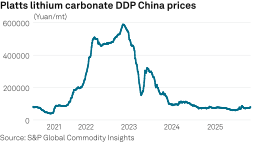
Chinese lithium carbonate spot prices currently remain elevated due to strong demand expectations, and have risen 2.3% since the announcement, according to data from Platts, part of S&P Global Energy, as of Oct. 30.
EV tax break
Currently in China, if electric cars are purchased, zero tax is levied on the transaction. But this tax break will end in 2025.
Starting Jan. 1, 2026, a 50% purchase tax will be levied on EV purchases, with a maximum tax reduction of Yuan 15,000 ($2,110) per vehicle, according Chinese authorities.
| China's EV purchase tax policy transition | ||
| Tax rate | Maximum tax exemption/reduction | |
| 2025 | 0 | Yuan 30,000/vehicle |
| 2026 | 5% | Yuan 15,000/vehicle (only cars meeting strict tech requirements) |
| 2027 | 5% | Yuan 15,000/vehicle (only cars meeting strict tech requirements) |
| Source: China's Ministry of Industry and Information Technology | ||
The differences between step-by-step exit and 5% reduction are minimal, said two Chinese analysts.
"Any reduction in the purchase tax next year, no matter how small, is likely to trigger a buying rush before year-end 2025, as consumers reason that 'a little bit is better than nothing," said a third Chinese analyst.
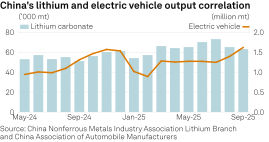
The shift in the purchase tax policy for 2026 is expected to trigger a surge in EV purchases in November and December, which represent a golden window for consumers to lock in maximum tax benefits and for automakers to clear inventories of non-compliant models, several market sources, including traders and analysts, said.
Consumers planning to purchase EVs priced below Yuan 300,000 are best positioned to benefit from the current full exemption. If they buy before year-end 2025, they could potentially save up to Yuan 30,000 in purchase tax.
Since 2014, EV tax breaks and subsidy measures have played a positive role in the development of China's EV industry.
The tax break has been extended multiple times, which has aided domestic EV consumption after the national subsidy program for EV ended in 2023.
The tax policy shift also comes with stringent technical requirements.
From 2026, only EVs meeting new national standards for fuel and energy consumption will be eligible for tax relief, China's Ministry of Industry and Information Technology said Oct. 9.
China's lithium market on upswing
Chinese domestic lithium carbonate spot prices have been rising since Oct. 14, driven by expectations of strong demand from downstream consumers, Platts data showed.
Platts assessed battery-grade lithium carbonate at Yuan 81,700/mt Oct. 29 on a DDP China basis, up 6.8% week over week and 11.1% higher from a month ago.
Some market sources said the positive trend may continue well into 2026.
Chinese lithium carbonate prices are moving upwards, and the trend could remain until January, said a fourth Chinese trader.
Another Chinese trader said robust order activity for lithium iron phosphate batteries is translating into strong demand for battery-grade lithium carbonate, primarily driven by the energy storage sector. Overall, domestic lithium carbonate prices are set to continue their upward trend.
However, lithium salt trading is thin at current elevated levels. Downstream buyers are currently not making purchases, relying mainly on long-term agreements, some market sources said.
At this stage, there are no clear signs of improvement in fundamental supply and demand dynamics in the Chinese lithium markets, said Mo Ke, founder of China's research company RealLi.

Editor: