Metals & Mining Theme, Non-Ferrous
August 21, 2025
Chinese exports of rare earth magnets rebound in July

By Kip Keen
HIGHLIGHTS
July exports up 75.5% over June
Rebounding supply eases rare earth market for auto makers
Chinese export restrictions still hang over buyers
Chinese exports of rare earth permanent magnets rebounded in July, easing supply chain concerns for some buyers like auto makers.
In July, Chinese exports to the US hit 619 mt, up 75.5% over June and up 4.8% over year-ago exports, according to a Platts analysis of customs data.
Rare earths are crucial ingredients for powerful magnets used in consumer goods and sensitive defense applications, and China's exports of them ground to a near halt in May. The supply disruption came amid escalating trade tensions over US tariffs.
But after talks earlier this year, the US and China brokered a truce in June over some issues including the export of rare earths, an industry that China dominates.
Chinese supply of the magnets to the rest of the world was up 5.8% year over year in July to 4,958 mt. July exports to the US were just 0.2% lower than the average monthly exports in 2024, according to the analysis.
July exports compare to much lower levels in May, when US imports from China hit a mere 46 mt.
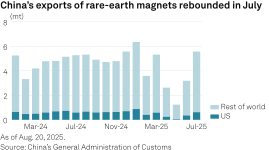
The trickle of supply in June, coming after China installed a new licensing system aimed at preventing so-called dual use of the magnets in civilian and military applications, drove buyers like automakers into panic mode. Some manufacturers flagged disruptions to production.
"The recovery in Chinese exports -- as a greater number of dual-use licenses have been approved -- has eased supply chain pressures for automotive manufacturers consuming rare earth permanent magnets, though consumers of rare earth compounds included in the dual-use restrictions continue to face difficulties in securing feedstock from China," said David Merriman, a research director at Project Blue, a metals consultancy, in an email.
Despite the July rebound, rare earth experts doubt the recovery in exports means the market is business as usual. Chinese restrictions still force the defense industry to look elsewhere for supply and, meanwhile, volatile trade relations between the US and China continue to cast a shadow on a sector that China dominates.
"The market will remain slanted in China's favor for quite some time despite the positive moves we've seen between both the Biden and Trump Administrations to try and reshore the magnet supply chain," said Chris Berry, founder and president of House Mountain Partners, a battery metals investment consultancy.
Analysts flag the temporary nature of China's export licenses as a new spigot for the country to use in controlling who gets the coveted materials. China mined 61% and refined 91% of the world's key rare earths in 2024, according to the International Energy Agency's 2025 outlook on critical minerals.
Against that backdrop and China's increasingly tight export controls, many countries like the US have sought to expand domestic supply of rare earths, armoring a weak spot in global metals supply chains. This year the US announced plans to invest in rare earths miner and refiner MP Materials. Other companies like REalloys are gearing up US facilities to process small amounts of high-performance rare earths materials needed by the defense sector.
"It's just another example of the weaponization of resources," Berry said, noting China has warned international buyers not to stockpile rare earths. "There's nothing stopping China from curbing exports."
