Metals & Mining Theme, Coal, LNG, Natural Gas, Crude Oil, Electric Power, Energy Transition, Non-Ferrous, Ferrous, Renewables
August 07, 2025
Trump’s tariffs take effect on imports from dozens of US trading partners

HIGHLIGHTS
Trump's country-specific rates have gone into effect ranging from 10% to 50%
Duties include exemptions for most energy products and related metals
Tariffs face legal scrutiny, but remain in place as court deliberates
The US has implemented sweeping tariffs on a range of commodities for nearly every country, marking a shakeup for global trade.
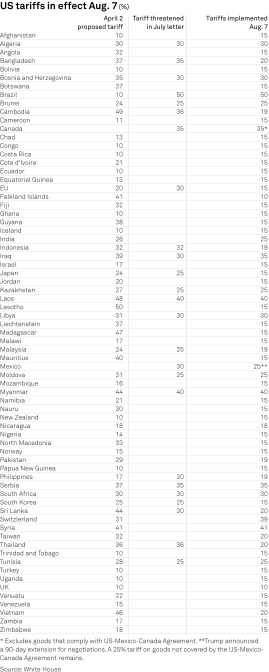
The country-specific tariffs took effect on Aug. 7 after President Donald Trump delayed their implementation for four months. He first proposed a range of country-specific tariffs as part of his April 2 trade announcement.
The implemented tariffs range from 10% up to 41%, with the most common duty of 15%.
Brazil faces a 50% tariff on goods sent to the US after Trump issued a separate executive order on July 30. The order includes exemptions for key commodities like crude oil, petroleum products and iron.
Trump's executive order for the country-specific tariffs includes exemptions for energy products and related metals. The tariffs do not stack with sectoral tariffs previously issued by the Trump administration and will not be added to the Section 232 tariffs placing 50% on steel, aluminum and copper or the 25% tariff on cars and auto parts.
The newly imposed rates also reflect trade deals made between the US and several countries, including 15% for Japan, South Korea, and the EU, 20% for Vietnam and 19% for Indonesia.
These countries faced higher rates with the original April 2 tariff executive order or in trade deal letters Trump sent to 25 countries in July.
Several countries continue to negotiate with the US.
Canada and Mexico received trade letters in July after being omitted from the initial round of proposed reciprocal tariffs. The two countries face a separate set of tariffs, including 25% on goods not covered by the United States-Mexico-Canada Trade Agreement and a 10% tariff on energy resources.
Trump raised the 25% tariff to 35% for Canada. He also announced a 90-day extension for trade negotiations with Mexico, punting the implementation of a proposed 30% tariff.
China is on a separate timeline and has until Aug. 12 to reach a deal.
Trump imposed an additional 25% tariff on all Indian goods, doubling the rate to 50%, which will take effect at the end of the month.
The country-specific tariffs face legal scrutiny. A US federal court in May struck down Trump's country-specific tariffs for exceeding presidential authority, but the administration appealed the ruling. The court issued a stay that allowed the tariffs to remain in effect while the appeal is under consideration.
The federal government faced questioning July 31 from multiple appeals court judges about Trump's authority to issue the tariffs using emergency authorities.
Editor: