LNG, Natural Gas
January 27, 2026
INFOGRAPHIC: EU grants final approval to end Russian gas, LNG imports

By Matt Hoisch
HIGHLIGHTS
EU to phase out remaining flows by autumn 2027
Dependence on Russia has fallen significantly in recent years
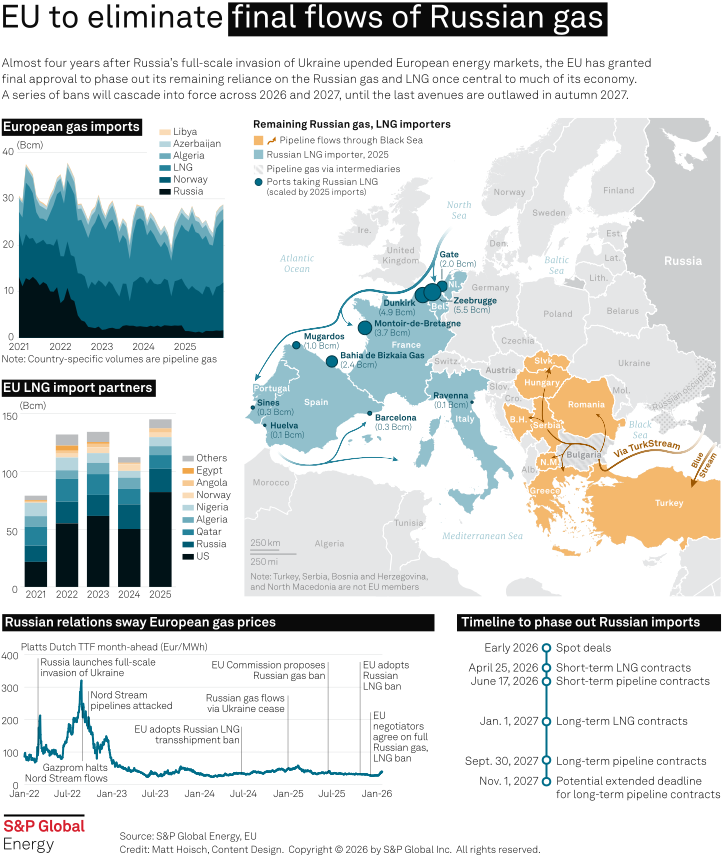
The EU is ending an era-defining reliance on Russian fuel. EU governments granted final approval Jan. 26 to ban the remaining imports of Russian gas and LNG over the next two years.
Russia was once Europe's dominant gas supplier, underpinning a large share of the continent's economy with cheap pipeline flows. However, the full-scale invasion of Ukraine in 2022 spurred the EU to curtail -- though not sever -- energy relations with its eastern neighbor.
The months that followed saw European gas prices surge to unprecedented highs. Volatility eventually subsided amid a rollout of LNG import infrastructure to help meet a growing share of the continent's baseline needs with the super-chilled fuel, supplied from the US.
Still, a steady stream of Russian molecules continues to enter the EU as LNG cargoes via import facilities scattered across several member states and as gas flows via TurkStream, the last operating pipeline link.
With the Jan. 26 vote, EU governments have concluded a months-long legislative process and a years-long political one to gradually outlaw these remaining dependencies.
The legislation is more durable than a similar Russian LNG ban that was part of the EU's 19th sanctions package against Moscow approved by member states in October, since the sanctions require unanimous European Council renewal every six months.
Uncertainties remain, though. The governments in landlocked Hungary and Slovakia, which rely on TurkStream volumes for a large share of their gas needs, have vowed to challenge the legislation in court.
A ceasefire in the Russia-Ukraine war could also soften resolve to uphold the ban, though European officials have dismissed the prospect of such a pivot. In December 2025, as the legislation approached its last hurdle, European Commission President Ursula von der Leyen was adamant that the shift away from Russian fossil fuels is "for good and forever."

Editor: