Fertilizers, Chemicals, Energy Transition, Agriculture, Refined Products, Maritime & Shipping, LNG, Renewables, Carbon, Emissions, Biofuel, Jet Fuel, Fuel Oil, Bunker Fuel
September 08, 2025
APPEC: Singapore to play key role to advance sustainable energy, carbon products: senior minister
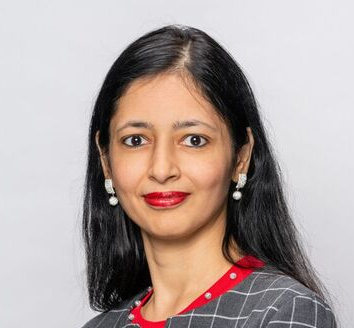
By Surabhi Sahu
HIGHLIGHTS
Expanding production of sustainable products on Jurong Island
Ammonia as a marine fuel gaining momentum
To support firms for new carbon credit trading functions
Singapore is positioned to play a significant role in four key growth areas— sustainable products, biofuels, alternative maritime fuels, and carbon products—as the country embraces growth opportunities for energy transition, a senior minister said Sept. 8.
"We are serious about growing our ecosystem," said Low Yen Ling, senior minister of State for the Ministry of Trade and Industry and Ministry of Culture, Community and Youth, at the APPEC 2025 event in Singapore, hosted by S&P Global Energy.
"We are expanding our production of sustainable products on Jurong Island to meet growing regional demand," she said.
In July, Arkema said in a statement on the Singapore Economic Development Board website that it opened its Singapore plant on Jurong Island, the world's largest integrated factory dedicated to advanced bio-circular materials, with production expected to begin in the first quarter of 2026.
"Arkema will continue to build on its presence in Singapore to advance the development of bio-based, recyclable materials and collaborate with ecosystem partners to scale impact across the region," it said at the time.
Low shared that, according to the International Energy Agency, Asia will likely overtake Europe in the planned production and development of biofuels by next year.
On the production side, Singapore is also home to the world's largest sustainable aviation fuel production facility, which Neste operates.
The energy and chemicals sector in Singapore plays a vital role in producing and supplying fuels for the world. "In Singapore, we are keen to support this sector and to seize the opportunities in the manufacturing of biofuels," Low said.
Singapore has an extensive network of trading companies in the energy and agri-commodities space, including major trading firms such as Wilmar and Olam that control biofuel feedstock. Singapore was poised to advance this segment because of the confluence of the buy and sell sides, amid other advantages.
Singapore's position as the world's largest bunkering hub is also a "unique advantage" as the country prepares for a multi-fuel future, Low said.
"We are developing more support for alternative maritime fuels, especially ammonia," she said, adding that while LNG, methanol, and biofuels will stay prominent in the near-term, ammonia is expected to gain momentum and occupy a substantial share of the global bunker fuel mix by 2050.
In 2024, Fortescue, with support from the Maritime and Port Authority of Singapore, government agencies, research institutes, and industry partners, conducted the world's first use of ammonia, in combination with diesel in the combustion process, as a marine fuel onboard the Singapore-flagged ammonia-powered ship--the Fortescue Green Pioneer-- in the Port of Singapore.
Together with EnterpriseSG, the MPA is also developing Singaporean standards for ammonia bunkering.
Fostering a low-carbon economy
Singapore is also being developed as the heart of carbon services and trading, Low said.
Low said that Singapore is home to more than 150 firms in carbon services and the trading value chain, double from four years ago.
She added that Singapore remains "committed" to supporting global trading firms and energy players in setting up new carbon credit trading functions.
According to a recent report released by the UN Global Compact Network Singapore (UNGCNS), about 74% of the companies participating in Singapore's national emissions tracking program reported a cut in their carbon output, either in absolute emissions or emissions intensity.
Singapore has also developed a Digital MRV framework, involving a regulator such as the National Environment Agency, regulated entities and third-party verifiers, it said.
"Singapore's carbon tax policy exemplifies a well-planned, digitally enabled, and forward-looking strategy," the report said. "As more nations adopt carbon taxes, the integration of digital technologies will be essential to ensure transparency, efficiency, and impact."
