Refined Products, Crude Oil, Fuel Oil, Diesel-Gasoil, Jet Fuel
July 31, 2025
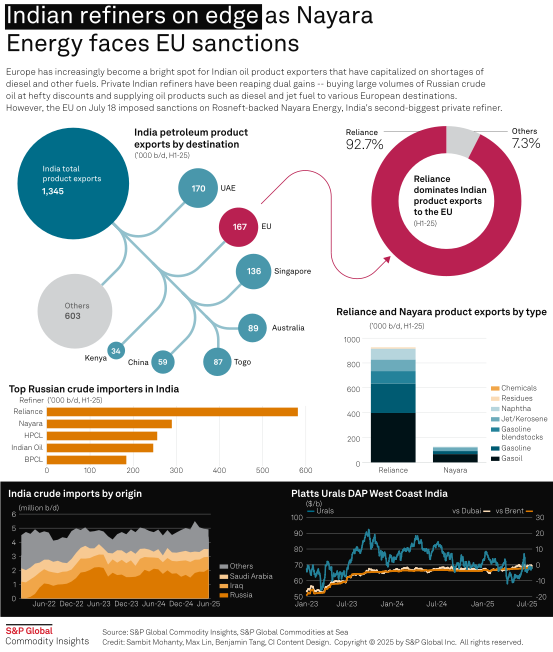
INFOGRAPHIC: Indian refiners on edge as Nayara Energy faces EU sanctions
By Sambit Mohanty and Max Lin
The EU has unveiled plans to ban imports of petroleum products made from Russian crude starting in January 2026, revised its oil price cap mechanism and blacklisted over 100 shadow fleet tankers in its latest sanctions measures against Russia. As part of the package, it has also imposed sanctions on the Rosneft-backed Vadinar refinery, a unit of Nayara Energy.
India has emerged as the biggest seaborne Russian crude importer in recent years, taking advantage of the discounted barrels. Meanwhile, Indian refineries have also maintained significant exports of middle distillates to Europe, with top private participant Reliance Industries accounting for over 90% of these sales.
The products ban could force Indian refiners to redirect diesel exports to Latin America, Africa and East Asia. Russian crude buyers in India might also need to reconsider their purchase strategies, according to market participants, with Urals -- the flagship grade that dominates the trade -- potentially coming under pressure.

Editor: