Agriculture, Meat
December 24, 2025
North Asian chicken leg prices reach record highs amid tight supply

HIGHLIGHTS
Supply concerns and robust demand in Japan drive rally
Cross-protein effects sustain elevated chicken prices
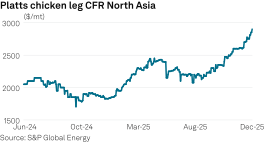
Chicken leg prices in North Asia reached their highest level on Dec. 23, underpinned by tight supply and robust demand in Japan.
Platts, part of S&P Global Energy, assessed the CFR North Asia chicken leg price at $2,900/mt on Dec. 23, the highest level since the assessment launch in June 2024.
Supply constraints, demand drivers
The price rally reflects strong year-end demand in Japan, where local importers face persistently low offer volumes from Brazilian suppliers.
Brazilian suppliers have reportedly limited shipments to Japan due to rising demand in both their domestic and other export markets, according to a Japanese trader.
"Last year, they exported large volumes to Japan at low prices. Now, they are controlling volumes to keep prices high," the trader said.
"Offer volumes from Brazilian chicken packers are decreasing, not increasing, and prices have been rising as we approach the end of December from mid-November," a Japanese importer said.
Concerns over low stock levels after the holidays have fueled aggressive buying at elevated prices, according to another importer.
Domestic Japanese prices have also surged in November and December, with imported unsized boneless leg (200g and above) prices ranging from Yen 570/kg to Yen 690/kg, the first importer said.
"The Japanese side can only purchase; they have no choice," the importer said, noting they do not expect prices to fall through February 2026. The market outlook for 2026 remains "extremely challenging."
"Additionally, beef prices remain elevated. The suspension of Spanish pork imports has caused explosive price increases for domestic pork," the importer said, adding that this cross-protein effect can contribute to sustained high chicken prices, especially when supply constraints persist.
Market outlook
Japan's chicken meat consumption is expected to remain stable, as higher domestic production offsets reduced imports, according to analysts at S&P Global Energy CERA. Lower imported volumes led to a 5.2% year-over-year decline in October cold storage stocks.
Looking ahead, imports are projected to recover in 2026, provided trade disruptions are limited, which could support future consumption growth, analysts said.

Editor: