Agriculture, Meat, Livestock
October 23, 2025
Platts 95CL beef CIF US assessment hit highest levels since launch

HIGHLIGHTS
Seasonal weak demand, limited supply weigh on the market
US beef producers concerned by potential Argentine imports
Seasonal slaughter rates expected to remain low: source
The Platts assessment for 95CL beef CIF US for a 30- to 60-day shipment period hit $3.48/lb, or $7,672/mt on Oct. 22, its highest value since the assessment started March 18, 2024.
The lean beef trimmings trade volume has been thin amid low demand, but limited supply has supported prices, according to sources.
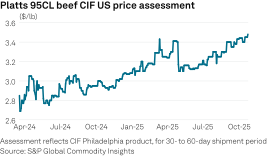
Higher lean beef prices are "not a surprise. We have seen some significant decline on the domestic side in the last couple of weeks, but until we see Brazil come back, not sure we'll see much relief on the import side," said Caleb Hurst, principal proteins analyst at S&P Global Energy. "And the gap between domestic and imported will likely continue to narrow."
A trader said domestic spot prices for lean beef trimmings are under pressure, not from higher supply, but from weak demand, which is normal for the season. The trader also noted a slight increase in dairy cow slaughter, though not for beef cows, as uncertainties remain due to the government shutdown.
"This is narrowing the gap with imported [versus domestic] and dramatically slowing down sales," the trader said, adding that tariff news and uncertain geopolitics were slowing forward sales.
US President Donald Trump said on Oct. 16 that his administration was working on a plan to lower US beef prices. On Oct. 19, he added that the US would buy some beef from Argentina. This possibility raised alarms among US beef producers, pressured the Chicago Board of Trade fed cattle futures and caused buyers of lean beef trimming to hold off on import purchases while awaiting further clarification.
However, a second trader noted that there are limited offers for end-of-year shipments, as sellers expect higher prices.
"In a normal year, buyers waited for December-January to see beef prices drop, as Brazilian beef was sold early in the year without the tariff quota," the second trader added. "But now, with the new US tariffs on Brazilian beef, prices will not decrease."
Limited supply in US, New Zealand, Australia
Additional support for lean beef trimmings import prices for November and December shipments came from "expectations of low slaughter rates over the holidays and good availability of 50's," a third trader said.
"In New Zealand, exports do dip during the December-January holidays, but the real decline in seasonal production/exports is August-October," said Jack Mullumby, senior price analyst for proteins in the Asia-Pacific region at Energy. "So we should actually see higher seasonal volumes November-February. But these volumes are likely to be below the 5-year average."
"Australia's beef exports, in general, tend to be negligible during December and January, which is the main holiday season for Australia and New Zealand," Mullumby added. "However, Australia's exports to the US can be an exception to this trend. They weren't last year, but they can be."

Editor: