Agriculture, Biofuels, Oilseeds, Vegetable Oils
March 12, 2026
War-driven energy rally may deepen rare soybean oil discount to palm oil

HIGHLIGHTS
South American soybean oil prices fall below Asian palm oil benchmarks
Inversion could widen if conflict escalates: traders
South American soybean oil prices are trading below Asian palm oil values in a rare market inversion that traders say could deepen if the war-driven surge in energy prices continues to lift vegetable oil markets.
Platts, part of S&P Global Energy, assessed Argentine soybean oil FOB Up River for April loading at $1,132.30/metric ton on March 11, while Brazilian soybean oil FOB Paranaguá for April loading was assessed at $1,138.91/mt.
These levels place South American soybean oil below Asian palm oil benchmarks after palm oil prices strengthened alongside the broader energy-led rally in vegetable oils.
By comparison, Platts assessed crude palm oil FOB Indonesia for April loading at $1,182.5/mt on March 11, while CPO CFR West Coast India for April shipment was assessed at $1,212.5/mt.
The divergence between palm oil and soybean oil prices is illustrated in the chart below.
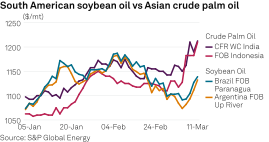
The chart shows the inversion emerging in the days leading up to Feb. 28, when the war escalated in the Middle East and crude oil prices surged, helping push palm oil prices higher alongside the broader vegetable oil complex.
Energy markets driving vegetable oil prices
Rising crude oil prices have been a key driver of recent strength across vegetable oil markets, improving biodiesel blending economics and strengthening demand expectations for lipid-based feedstocks.
Palm oil prices have also received additional support from biofuel policy developments in Southeast Asia. Indonesia, the world's largest palm oil producer, is accelerating road testing for a B50 biodiesel blend.
A move from B40 to B50 could increase Indonesian palm oil consumption by roughly 4 million-5 million mt annually, potentially tightening export availability and providing additional support to global palm oil prices.
The broader linkage between energy markets and vegetable oils is illustrated in the chart below, which compares cumulative gains in ICE WTI crude oil futures, CBOT soybean oil futures and Bursa Malaysia third-month crude palm oil futures over the past year.
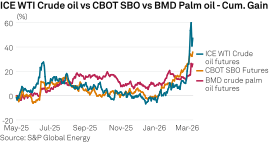
The chart highlights the strong correlation between the three markets, with crude oil often acting as the lead indicator, influencing price movements in both soybean oil and palm oil through biodiesel economics and energy-linked demand for vegetable oil feedstocks.
South American supply pressures soybean oil prices
At the same time, soybean oil markets in South America have faced seasonal pressure as the region's soybean harvest boosts crushing activity and increases the availability of soybean oil for export.
Higher soybean processing volumes in Brazil and Argentina have expanded export supplies at a time when palm oil markets are tightening, contributing to the current price inversion.
Traders said the unusual price relationship could persist or even widen if crude oil prices continue rising as the conflict unfolds.
Traders see discount attracting buying interest
Market participants said the current discount may begin attracting additional buying interest from importers seeking cheaper vegetable oil alternatives.
A Brazil-based soybean oil trader said the discount has already started drawing attention from buyers.
"The soybean oil discount versus palm looks unsustainable," the trader said. "That's why soybean oil prices are starting to rise — parities at destination are becoming very attractive for soybean oil."
Market participants said the inversion could stimulate additional demand from buyers able to substitute soybean oil for palm oil in food and biodiesel applications.
Discount could widen if energy rally continues
Despite expectations that the price relationship may eventually normalize, traders say the discount could widen further in the near term if crude oil prices continue rising.
Higher energy prices strengthen biodiesel economics and tend to support palm oil demand more directly, potentially allowing palm oil prices to outpace gains in soybean oil.
If energy markets remain volatile, vegetable oil markets may continue to trade closely alongside crude oil, reinforcing the unusual pricing dynamics currently visible between palm oil and South American soybean oil.

Editor: