


Agriculture, Maritime & Shipping, Grains, Dry Freight
October 03, 2025
CIF Marmara 12.5% wheat reaches 5-month high on vessel delays, high demand

HIGHLIGHTS
CIF Marmara 12.5% at $19/mt premium to Milling Wheat Marker
Exporters foresee delays, weather disruptions for several weeks
Flour exports decline due to import curbs, tax policies
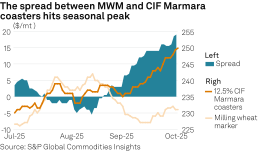
Platts CIF Marmara 12.5% wheat coaster price assessment has surged to a five-month high due to unfavorable weather in the Kerch Strait, causing vessel delays of up to 10 days, and high freight rates.
The current delays have widened the price spread to the Milling Wheat Marker to a $19/mt premium for coasters. As of Oct. 2, CIF Marmara 12.5% was assessed at $250/mt, with the Azov to Sea of Marmara freight rates increasing from $44/mt to $55/mt within a week.
The high freight rates are expected to persist for at least another three to four weeks, potentially extending through December due to cold weather disruptions, a local Turkish broker said.
Sellers also indicated that the water level in the Don River, crucial for downstream transport into Rostov-on-Don and the Sea of Azov, has dropped to 2.8 meters, well below the ideal level of 4 meters due to strong winds.
"Buyers want to buy, but there are not many offers due to the absence of vessels," a Turkish buyer said, citing increased demand for Black Sea wheat amid low stocks.
Over July to September, Turkey bought 1.86 million mt of wheat from Russia, with millers estimating total imports for the season at 7.5 million mt, significantly higher than last year's 3.3 million mt due to previous import quota restrictions. Demand for imported wheat is expected to remain strong until the Turkish Grain Board makes its wheat stocks available for purchase in about one to two weeks, which will clarify potential shifts in demand.
Flour exports
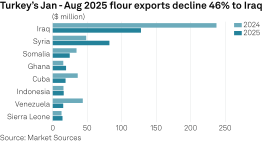
Turkey, the world's largest exporter of flour, is facing declining export figures. Millers attribute this downturn to the high CIF wheat prices and government import curbs. Since the start of the marketing year in June, flour exports reached 564,000 mt, down from 676,000 mt the previous year, according to lineup data from brokers.
Governments in destination countries are restricting imported flour through taxes and regulations to promote local milling factories and production. In South Sudan, high taxes on imports from countries other than Uganda have made Turkish flour uncompetitive, one flour exporter said.
Iraq, the largest buyer of Turkey's flour, has increased support for domestic production through subsidies and contracts with local mills. Due to a 2 million mt reduction in wheat harvests for the 2025-2026 season from rainfall issues, Iraq is now focusing on wheat imports from Turkey, another exporter said. The US Department of Agriculture projects an increase in wheat imports to 3 million mt, up by 400,000 mt.
Additionally, Egypt benefits from its proximity to the Common Market for Eastern and Southern African countries. "As a company, we are quite strong in sales because we are strong in West Africa," another miller stated, highlighting the focus on emerging markets like West Africa to offset losses in the East African market.
Despite these challenges, there remains a niche for high-quality flour and specialty blends, creating opportunities for selective imports from Turkey and neighbouring countries. A local Iraqi buyer remarked on the continued demand for premium products, even amid the broader decline in imports.

Editor: