Agriculture, Maritime & Shipping, Grains, Meat, Sugar
March 30, 2026
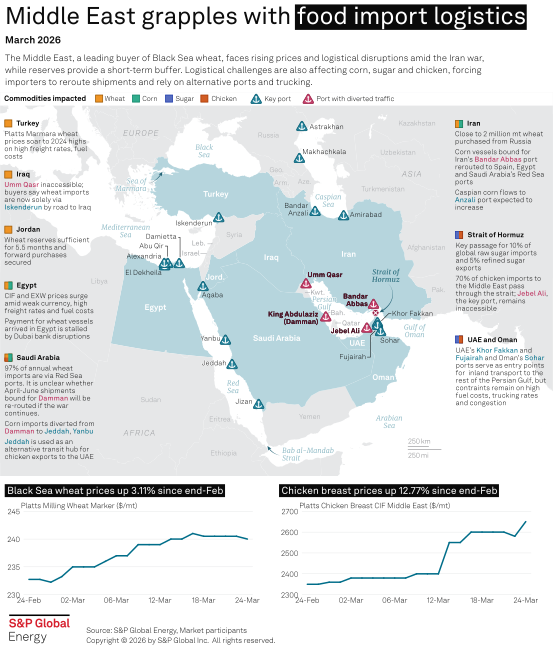
INFOGRAPHIC: Middle East grapples with food import logistics and price hikes
Editor:
HIGHLIGHTS
Middle East faces surging freight costs
Corn shipments reroute from Persian Gulf
Trucking replaces sea routes for imports
The Middle East is home to the world's largest wheat buyers, sourcing mainly from the Black Sea region. The ongoing war in Iran has driven up freight and fuel costs and triggered currency volatility, contributing to high wheat prices. While these countries have several months' worth of wheat reserves, meaning their procurement is not immediately disrupted, logistical challenges remain.
These logistical issues are affecting not only wheat but also other key food commodities such as corn, sugar and chicken. Corn shipments originally destined for Iran are now being rerouted and traded to Mediterranean and Red Sea ports instead of entering the Persian Gulf. Meanwhile, the difficulty of accessing the Strait of Hormuz has forced sugar and chicken producers and importers to rely on trucking from Oman's Sohar port, the UAE's Khor Fakkan and Fujairah ports.
Jeddah is also used as an alternative transit hub for chicken exports to the UAE when Gulf of Oman ports are congested, though this option is costly.