
Volume 5 – 30 September 2026
India Forward:
Reimagining Growth
India is recalibrating its growth strategy, implementing reforms to strengthen resilience, unlock new opportunities and support long-term prosperity.
As global markets contend with persistent inflationary pressures, challenging growth environments and fragmented supply chains, India’s economic trajectory remains strong. In the fifth edition of India Forward, analysts from S&P Global and Crisil examine how India is navigating geopolitical shifts, resource security initiatives and economic policy interventions to realize its economic ambitions. Successful implementation of these initiatives and reforms will be critical for the country as it deepens its integration with global trade, capital markets and energy flows.
India has a significant opportunity to convert macroeconomic resilience into sustained economic momentum. The country can build on this momentum by advancing the next phase of physical infrastructure development, supported by competitive federalism, deeper capital markets and more robust financial intermediation. As India’s physical infrastructure footprint expands, its growing digital infrastructure ecosystem will need to leverage the programmable capabilities of digital currencies and capital markets to optimize capital efficiency and lower transaction costs. At the same time, advancing India’s energy transition will require a unified storage strategy and a more integrated approach to building clean energy capacity.
India Forward: Reimagining Growth demonstrates our enduring commitment to the Indian market. At S&P Global and Crisil, our aim is for India Forward to provide an essential road map for unpacking India's evolution, and for understanding the critical commercial, regulatory and financial forces driving its future.

S&P Global Ratings
Yann Le Pallec
President, S&P Global Ratings
Yann Le Pallec is President of S&P Global Ratings and a member of S&P Global’s Executive Leadership Team. He has ultimate responsibility for all aspects of the business, including commercial, analytical, control and operations functions. He is based in Paris and heads the S&P Global Ratings Operating Committee.
Mr. Le Pallec chairs the Board of Crisil Ltd, a global provider of benchmarks and analytics for the financial community that also owns Crisil Ratings, a leading credit rating agency in India. Crisil Ltd is listed on BSE (formerly Bombay Stock Exchange).
Previously, Mr. Le Pallec was the Executive Managing Director and Head of Global Ratings Services which oversees Analytics, Research, and Operations, encompassing more than 2,200 analysts and support staff across 28 countries who cover more than one million outstanding ratings on entities and securities across a range of sectors, including governments, corporations, financial institutions and structured finance.
Since joining S&P Global Ratings in 1999, Mr. Le Pallec has held a diverse array of roles, including Head of Global Corporate Ratings, leading a group of 500 analysts responsible for coverage of more than 4,000 non-financial corporations worldwide. Before that he led S&P Global’s credit ratings business in EMEA, managing a team of more than 900 ratings analysts and support staff across a dozen offices. Previously, he was Head of EMEA Corporate and Government Ratings, after serving in various managerial and analytical positions in the Insurance and Sovereign & Public Sector groups.
Mr. Le Pallec has also served as the Executive Sponsor for S&P Global’s PRIDE People Resource Group, which is dedicated to maintaining a supportive work environment for LGBTQ+ colleagues.
Prior to joining S&P Global, Mr. Le Pallec worked for nine years at Paris-based auditing and financial services firm Salustro Reydel.
Mr. Le Pallec holds a master's degree in Business from the Ecole Supérieure des Sciences Economique et Commerciales (ESSEC) in France.
Disclaimer: The views expressed in this journal are those of S&P Global and Crisil and do not represent the views of S&P Global Ratings or any of its rating committees.
Introduction
India's economic trajectory in the 2026-27 fiscal year is defined by a paradox: its remarkable domestic macroeconomic resilience, considering the increasingly volatile global environment. Unlike other major economies, India has beaten forecasts while contending with the same inflationary pressures, geopolitical conflicts and slower growth. In fiscal year 2025-26, despite high tariffs, the Indian economy expanded by 7.7% — more than 100 basis points above analysts' consensus.
India's standout economic outlook does not imply that it is insulated. Its increasing integration into global trade, capital flows and energy mean that external shocks reverberate across its domestic systems. Whether due to disruptions at maritime chokepoints such as the Strait of Hormuz, the reallocation of global portfolio capital toward AI, or the complex balancing of domestic food security and renewable fuel mandates, the boundaries between geopolitical strategy, resource security and economic management are blurring.
In India Forward: Reimagining Growth, analysts and experts from S&P Global and Crisil examine the next phase of India's economic growth, its approach to managing global challenges and its strategies to navigate this environment. The articles underscore India's macroeconomic dynamics, recalibrated geopolitical approach, monetary innovation, capital market efficiency, traditional and alternative energy strategies, and power sector decarbonization. As India charts its path toward Viksit Bharat by 2047, the analysis in India Forward: Reimagining Growth considers ways to address India's structural, financial and logistical bottlenecks to achieve sustainable growth and development.
India's macroeconomic momentum is strong, but there are friction points. According to Crisil and S&P Global Market Intelligence, India entered fiscal year 2026-27 backed by structural buffers: foreign exchange reserves covering over nine months of imports, commercial banks reporting a decade-low gross nonperforming asset ratio of 1.8%, Crisil credit rating upgrade-to-downgrade ratios standing at a healthy 1.50x and central food grain stocks reaching 92.6 million tons.
However, the war in the Middle East has inflated crude oil prices for India and, at the time of writing, India's rainfall is reported to be 14% below the long-term average, driven by El Niño conditions through late August. India also faces a conundrum in securing foreign capital: Net foreign portfolio inflows fell 16.6% in 2025-26, and while gross foreign direct investment hit $94.5 billion, net inflows compressed to $7.8 billion due to corporate outward investment and repatriation. To sustain the roughly 7.8% annual GDP growth required to achieve Viksit Bharat, India must lift total investment from 32% of GDP through revived private capital expenditure. This is most pertinent in emerging industrial sectors such as semiconductors, electric vehicles and defense, which are expected to capture up to 25%-27% of industrial investment over the next five years, from 12% in the previous five years.
India's geopolitical strategy is evolving in response. Through cooperation with the US via the Initiative on Critical and Emerging Technology, pragmatic resource engagement with Russia and digital diplomacy exporting the India Stack across Latin America and Africa, India is converting global variation into national advantage.
Although "competitive federalism" speaks of domestic reform in India, it is increasingly linked to foreign policy. The focus on data center expansion demonstrates how intranational competition to build digital and physical infrastructure directly fuels India's international bargaining power. According to S&P Global Energy, India's data center expansion is forecast to surge from 1.5 gigawatts to 26.3 GW by 2031-32, with states such as Telangana, Maharashtra, Gujarat and Uttar Pradesh well positioned to support it.
These strategies matter even more at a time of energy vulnerability. Indian refiners responded with agility to the effective closure of the Strait of Hormuz, which carried more than half of the country's crude imports, by pivoting to Russian supplies and opportunistic Atlantic Basin and Venezuelan purchases. For enduring resilience, however, India must focus on initiatives such as the $8.8 billion Samudra Manthan deepwater exploration.
According to S&P Global Energy, India must also consider an integrated electrons-to-molecules storage policy connecting strategic petroleum reserves (including Mangaluru's 1.75 million-ton facility) with grid-scale battery and pumped-hydro storage. This must be done alongside securing India's power transition. Electricity demand is forecast to grow 5.56% annually, compared with 2.47% for total energy, and S&P Global Energy estimates that power will account for nearly 25% of the national energy basket by 2035. Meeting this demand requires adding 300 GW of solar photovoltaic capacity and 95 GW of storage.
The primary challenge is not just clean capacity creation, but also its deliverability and grid security. Between April and June 2026, transmission constraints stranded over 6 terawatt-hours of solar generation, while grid inflexibility caused 3,300 gigawatt-hours of renewable curtailment in early 2026. The strategic imperative of supply chain sovereignty should be to transition away from fossil fuel imports while avoiding new dependencies on imported clean-technology components.
India's energy transition underpins a fuel transition as well. India's E20 ethanol blending program is evolving from agricultural support into a strategic pillar. It has generated $22 billion in farmer income and saved over $25 billion in foreign exchange since 2014-15, but it faces bottlenecks. With grain-based ethanol surpassing molasses-based output, the diversion of corn is squeezing animal feed supplies, while domestic maize yields lag global averages.
Beyond energy, achieving the next phase of growth requires evaluating India's financial levers. Retail adoption of the digital rupee has lagged the ubiquitous Unified Payments Interface (UPI), but evaluating the central bank digital currency by wallet counts misconstrues its purpose. India's digital rupee is a programmable settlement layer, representing the emerging fourth pillar of India's digital public infrastructure alongside Aadhaar, the UPI and account aggregators. A pilot study showed how embedded logic prevents subsidy leakage and credit diversion. In wholesale markets, atomic settlement promises to unlock liquidity across tokenized government securities and remove friction on India's $151 billion annual remittance flows.
S&P Dow Jones Indices also presents a decade of evidence from the SPIVA India Scorecard to evaluate Indian equity and bond markets. Despite the belief that emerging markets offer fertile ground for stock pickers, over 70% of actively managed Indian funds underperformed their respective benchmarks across all five tracked categories over the 10 years ended June 30, 2026.
Through an analysis of the $2.03 trillion S&P India BMI and the $1.26 trillion iBoxx ALBI India Index, it is evident that elevated market dispersion, such as the 40-percentage-point spread between sectors in early 2026, skews downside risk for fund selectors while survivorship bias masks fund liquidations (only 74.3% of funds survived the decade).
In India Forward: Reimagining Growth, S&P Global and Crisil analysts share their perspectives on how India's path to a $30 trillion economy by 2047 needs to expand beyond consumption and headline growth rates. India's next iteration of strategic autonomy calls for creative execution in emerging geographies while accelerating domestic reform. It will need to balance the physical realities of grid transmission, agricultural feedstock allocation and deepwater exploration while underscoring the value of programmable, digital currencies, deep capital markets and competitive state-level policies. To reimagine growth, India must develop a blueprint to convert external volatility into domestic capability.
In this edition
Conclusion
The disruption to energy supplies through the Strait of Hormuz has been a severe test of energy security for high-growth Asia. India, which relies heavily on the Strait of Hormuz for oil, refined products, gas and adjacent supply chains, has faced reductions in crude and LPG of 20% and 12%, respectively, as well as a drop in LNG of 16%. Economic resilience and energy security are critical as India responds to this continuing supply shock.
India’s macroeconomic resilience throughout this disruption has been underpinned by an overall push for economic reforms, supported by public infrastructure investment, rapid digital infrastructure build-outs, and targeted incentives for manufacturing and welfare schemes. First-quarter GDP growth of 7.8% signals India’s macroeconomic resilience and a pattern we have seen for several quarters. To sustain high growth and realize the vision of Viksit Bharat by 2047, India requires a significant increase in the investment rate from the current level of about 32% of GDP.
The country’s focus on domestic energy will be sharpened to ensure all reforms target sturdy, secure supply chains that support the energy transition. India achieved its 2030 Nationally Determined Contribution target of 50% cumulative installed capacity from non-fossil sources ahead of schedule. The next stage of the energy transition will depend on the reliability and flexibility of the power system. A competitive power system will be core to competitive industry, services and agriculture. In transport, higher ethanol blending has helped to reduce the oil import bill. The pursuit of energy diversity has been agile, with new routes and new sources of international supplies being explored.
To secure long-term domestic oil and gas supplies, the Indian government has launched a major effort to de-risk upstream exploration via the Samudra Manthan initiative by 2031. More broadly, storage across oil, gas, key refined products and battery storage has been elevated in urgency and importance for policymaking. An integrated storage policy will signal India’s move to greater energy security and deeper energy markets. An electrons-to-molecules integrated approach will strengthen resilience across India’s future energy value chain.
Looking ahead, the priority is not only to withstand the current disruption, but also to build an energy system that gives India more choices, more flexibility and more resilience. That means greater domestic supply, diversified imports, reliable power, deeper storage and continued reforms all moving together.
In a more disrupted world, this integrated approach will be central to India's growth and its path toward becoming an advanced economy by 2047.

S&P Global Energy
Dave Ernsberger
President, S&P Global Energy
Dave Ernsberger is President of S&P Global Energy and a member of S&P Global’s Executive Leadership Team.
Most recently, Mr. Ernsberger was Head of Market Reporting and Trading Solutions at S&P Global Energy. In that role, he was responsible for managing Platts commodity price benchmarks worldwide, including market reporting, news coverage and exchange relationships, from well-established markets like oil and gas through to emerging market environments like new Energy Transition commodities and recycled materials.
Prior to that, Mr. Ernsberger served in a variety of roles at Platts, including Head of Oil Content; Editorial Director for Asia (based in Singapore), and Houston Bureau Chief. He joined Platts in 1996 as a metals reporter in London, and launched coverage of Europe’s then-deregulating gas and electricity markets in 1999.
A native of Boston, Massachusetts, Mr. Ernsberger holds a bachelor's degree in philosophy and politics from Warwick University, England, and a master's degree in international relations from Southampton University, England.

Sponsors and Leads of the India Research Chapter
S&P Global Market Intelligence
Head of India Leadership Council
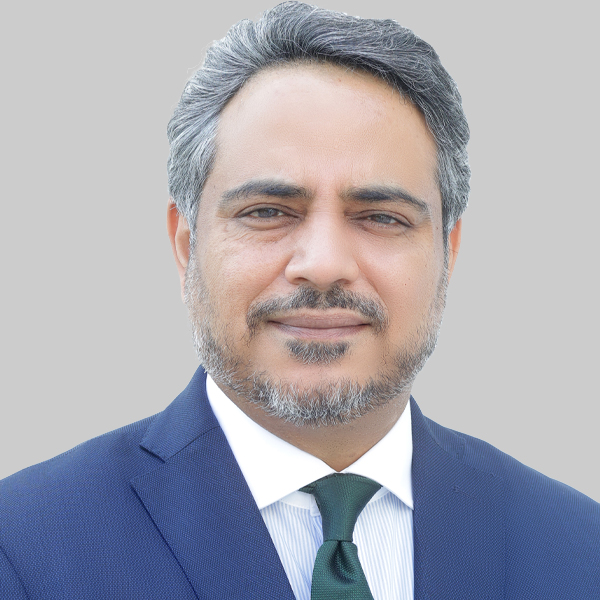
Abhishek Tomar
Head of Kensho Data
In his role, Abhishek leads S&P Global's enterprise data strategy and transformation agenda, focused on building trusted, standardized and AI-ready data foundations that power innovation, operational excellence and business growth. He plays a critical role in enabling scalable data platforms, intelligent automation and responsible AI adoption across the enterprise, helping teams unlock greater value from data and accelerate decision-making.
As a member of the Crisil Board, Abhishek brings deep expertise in enterprise data strategy, financial services, large-scale operations, AI enablement and business transformation. His perspective is particularly valuable as data, analytics and emerging technologies continue to reshape how organizations generate insights, manage risk and make decisions in increasingly dynamic markets.
Abhishek brings more than 20 years of leadership experience spanning data, technology, operations and financial services. Prior to his current role, he served as Chief Data Officer for S&P Global Market Intelligence and as Managing Director, India Operations, where he led a workforce of more than 8,000 employees and drove significant operational, talent and business outcomes. He was also a member of the Market Intelligence Operating Committee.
Beyond his formal leadership responsibilities, Abhishek serves as a trusted advisor to senior leadership teams across India, Pakistan and the Philippines, helping shape regional strategy, strengthen collaboration and support long-term growth priorities.
He is an active member of the National Executive Board of the American Chamber of Commerce in India. Abhishek holds a bachelor's degree in commerce from Delhi University and an MBA from NIILM Centre for Management Studies.
S&P Global
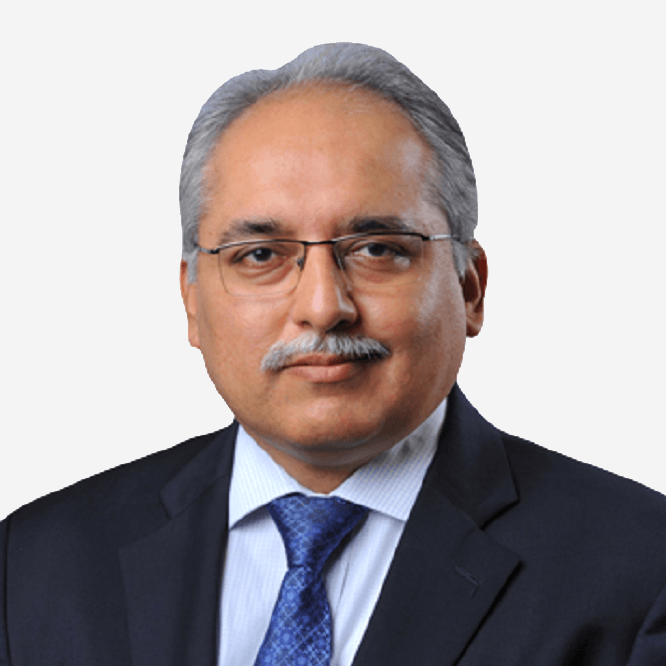
Amish Mehta
Managing Director and CEO, Crisil
Amish Mehta is the Managing Director and CEO of CRISIL.
In his current profile, Amish leads CRISIL's Indian and global businesses, steering its efforts to deliver high-quality analytics, opinions and solutions to corporations, investors, financial institutions, policy makers and governments.
Amish joined CRISIL in October 2014 as President and Chief Financial Officer. In July 2017, he was appointed Chief Operating Officer, responsible for Global Analytical Center, India Research and SME, Global Innovation and Excellence (GIX) Hub and Corporate Strategy. As COO, Amish has led CRISIL’s acquisitions and change agenda, and creating a growth path for the businesses managed.
Prior to joining CRISIL, Amish was Chief Financial Officer for Indus Towers. He has rich experience of over two decades in telecommunications, oil and gas, FMCG and business advisory services, and has held leadership roles in diverse organisations, including BP/Castrol India, EY, and ExxonMobil India.
He is a Chartered Accountant and holds a bachelor’s degree in Commerce.
S&P Global Energy
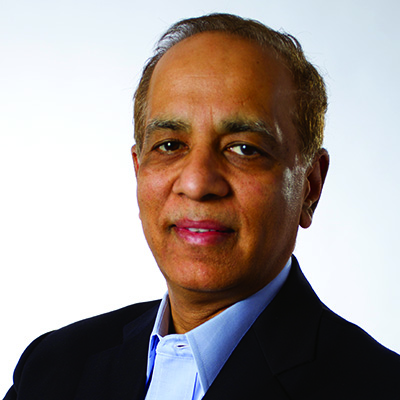
Atul Arya, Ph.D.
Senior Vice President and Chief Energy Strategist
Senior Research Fellow of the S&P Global Institute
His areas of expertise include business strategy, commercial analysis, oil markets, energy technologies, climate change and renewables. He has previously led Energy Insight, Research and Analysis and Energy Research teams at S&P Global (Now a part of S&P Global). Dr. Atul previously worked for BP for over 20 years in a number of operational, business, technical and strategic positions around the world. His career includes international leadership experience in a diverse array of energy fields spanning strategy development, business planning, field operations and technology commercialization. His experience includes leadership in solar energy development as well as oil and gas. Dr. Atul has previously served on boards of several companies and institutions and is member of the World Economic Forum's Global Future Council on Advanced Energy Technologies and is 25+ year member of the Society of Petroleum Engineers. He is a sought-after speaker and moderator at public conferences, company boards and industry events and a member of the CERAWeek leadership team.
He holds B.S., M.S. and Ph. D. degrees in engineering.
S&P Global Ratings
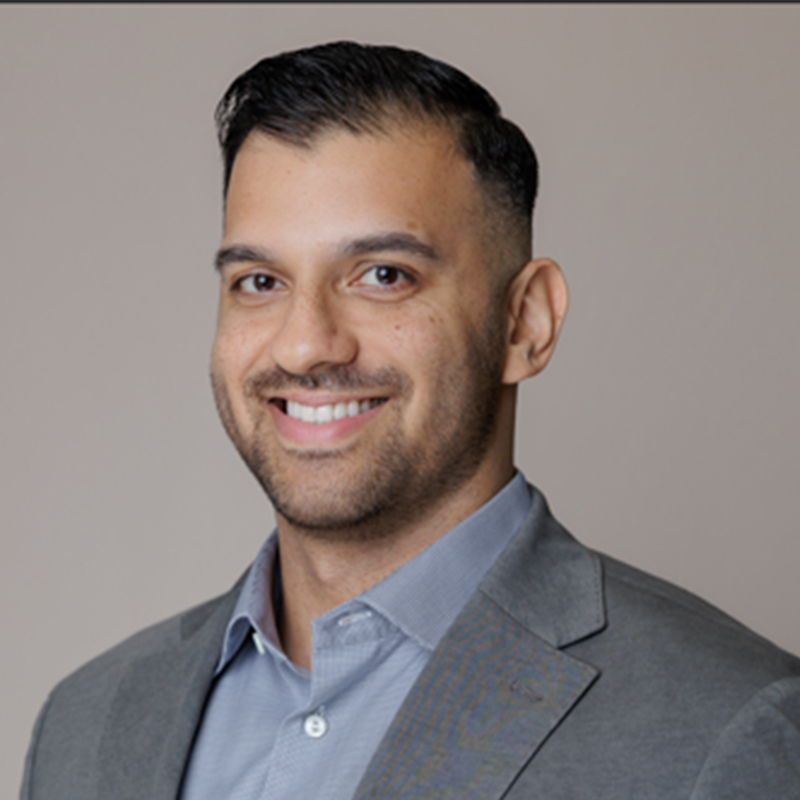
Farhan Husain
Global Group Head of Communications, S&P Global Ratings, LGARC (Legal, Government Affairs, Risk & Compliance), and Audit
Farhan Husain is a global communications executive responsible for leading communications strategy for S&P Global Ratings, LGARC (Legal, Government Affairs, Risk & Compliance), and Audit. He serves as a member of the S&P Global Ratings Operating Committee and is President of S&P Global’s Wellbeing London Chapter People Resource Group.
With nearly two decades of experience advising senior executives and leading communications for global financial services organizations, Farhan is recognized for building high-performing teams, driving transformational change, and developing communications strategies that advance business growth, reputation, and stakeholder engagement.
Most recently, Farhan led communications for S&P Dow Jones Indices and played a key role in the successful spin-off and IPO of S&P Global Mobility. Previously, he served as Global Group Head of Communications for S&P Global Market Intelligence and the Enterprise Data Organization (EDO), where he established and scaled global communications teams supporting the company’s data, insights, and software businesses. He also led communications for the acquisition and integration of IHS Markit, one of the largest and most strategically significant transactions in S&P Global’s history.
Since joining S&P Global in 2016, Farhan has held a series of leadership roles of increasing responsibility across the organization. He initially led external communications across the United States, Canada, and Latin America before being promoted to Global Head of External Communications for S&P Global Market Intelligence. Earlier in his tenure, he helped launch S&P Global Ratings’ ESG Evaluation offering and played a leading role in establishing the communications strategy and global team supporting Sustainable1, S&P Global’s first ESG-focused commercial business.
Prior to S&P Global, Farhan held communications and marketing leadership positions at several leading financial institutions and market infrastructure organizations, including Ernst & Young (EY), the International Securities Exchange (ISE/Nasdaq), and the New York Stock Exchange (NYSE).
Throughout his career, Farhan has partnered closely with C-suite and business leaders to navigate complex business transformations, transactions, regulatory matters, and reputation management challenges. His expertise spans corporate affairs, executive communications, media relations, internal communications, change management, M&A communications, thought leadership, and strategic stakeholder engagement.
Farhan holds a Bachelor’s degree in Broadcast Journalism from Hofstra University.
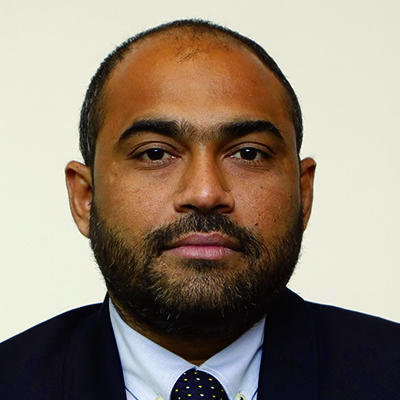
S&P Global
Nilam Patel
Managing Director, India Operations

S&P Global Market Intelligence
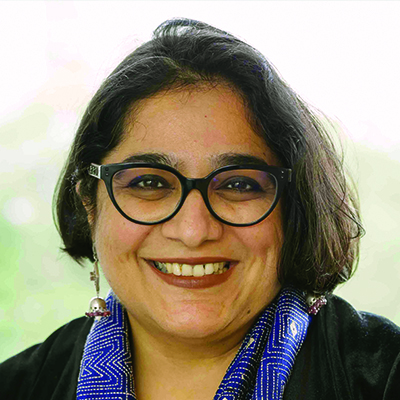
Deepa Kumar
Director, Head of Asia-Pacific Country Risk and Co-Lead, India Research Chapter
Deepa leads analysis on India and routinely spearheads and contributes to corporate-wide initiatives focused on India. Deepa has a background in Indian parliamentary research and was previously an entrepreneur whose organization in New Delhi focused on increasing citizen engagement with political representatives.
S&P Global Energy
Gauri Jauhar
Global Executive Director, Strategic Climate and Clean Energy Initiatives and CERAWeek
Gauri is Executive Director, in Energy Transition and Clean Tech Global Consulting team, and a Certified Independent Director by the Institute of Directors (IOD). She has 23 years of experience in the energy, applied economics, finance fields, with wide regional experience in the United States, Kuala Lumpur, Singapore, Mumbai, New Delhi. Focus on ESG In the Energy Transitions and the integration of clean fuels in the energy spectrum and multi-sector mitigation strategies.
Her areas of specialization are Integration of New Energy sources to the Energy spectrum for companies and countries, Financial and Operational Competitor Benchmarking, Energy pricing, Market entry strategies and Energy policy development. She represents S&P Global in various industry bodies such as the US India Hydrogen & Gas Task Forces by the US India Strategic Partnership Forum.
Prior to joining S&P Global, Gauri was Commercial Advisor - Gas Policy & Regulatory Affairs at BP in India. She was the gas policy lead for a multi-disciplinary team-leading BP's energy reforms advocacy efforts in India. Prior to joining BP, she was a Senior Consultant at PFC Energy (now part of S&P Global), leading PFC Energy's Integrated Energy business in India and Singapore.
Gauri started her career as a Research Associate at the National Council of Applied Economic Research in New Delhi, analyzing macro-economic policy issues for the Indian economy and her paper with DK Joshi on "India's Macro-Stabilization Policy in 1990s: A Review and Assessment" was published in the book, "The Indian State in Transition."
Contributors
S&P Global Energy
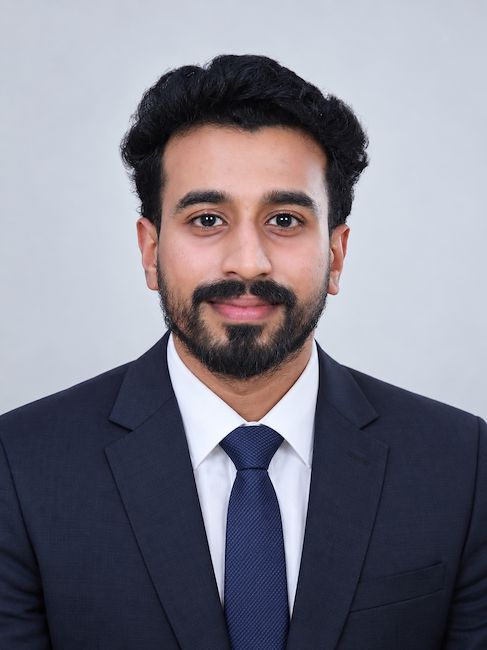
Sanjai A.
Associate Consultant, Strategic Climate and Clean Energy Initiatives
Associate Consultant, Strategic Climate and Clean Energy Initiatives
S&P Global Energy
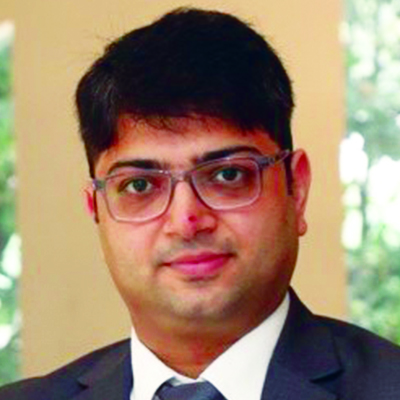
Pulkit Agarwal
Head of India Content
Pulkit Agarwal is Hrad of India Content

S&P Global Energy
Mohd. Sahil Ali
Senior Research Principal, South Asia Power and Gas
Sahil has over 13 years of experience spanning research, advisory, implementation support, and capacity building roles. At S&P Global Energy, Sahil focusses on regional energy transition priorities, electrification for decarbonization, national-level carbon markets, competitive assessment and outlook for critical net zero-technologies such EVs, Green Hydrogen and CCS, and evaluation of national pledges for India and other South Asian markets. In the past, he has prominently contributed to several national and state policies and initiatives, engaged multilateral platforms such as World Bank, Global Green Growth Institute, and the Integrated Assessment Modelling Consortium; participated in India-US and India-EU joint climate research efforts, and conducted capacity building for energy modelling at the national and state levels with NITI Aayog.
Prior to joining S&P Global Energy, Sahil has worked as an associate fellow with the Brookings Institution India Center, where he led the efforts on energy scenarios, carbon pricing, and climate policy for India. He has also worked with the Center for Study of Science, Technology and Policy, Bengaluru, as a research scientist, and Willis Towers Watson, Gurgaon, as a research analyst.

S&P Global Energy
Mansi Anand
Analyst, National Oil Company Research - Upstream Companies and Transactions
Mansi Anand in this role, she leverages her extensive expertise to assess and analyse the upstream and low-carbon strategies of national oil companies across Southeast Asia and South Asia. With over six years of experience in the energy sector, Mansi is adept at generating actionable insights that inform strategic decision-making. Mansi’s analytical skills and collaborative approach support her efforts in providing valuable insights that drive informed decision-making within the team and the broader energy sector.
She earned her Bachelor of Science in Life Sciences from the University of Delhi, New Delhi, and holds an MBA in Energy Trading from the University of Petroleum and Energy Studies in Dehradun, India.
S&P Global Energy
Atul Arya, Ph.D.
Senior Vice President and Chief Energy Strategist
His areas of expertise include business strategy, commercial analysis, oil markets, energy technologies, climate change and renewables. He has previously led Energy Insight, Research and Analysis and Energy Research teams at S&P Global (Now a part of S&P Global). Dr. Atul previously worked for BP for over 20 years in a number of operational, business, technical and strategic positions around the world. His career includes international leadership experience in a diverse array of energy fields spanning strategy development, business planning, field operations and technology commercialization. His experience includes leadership in solar energy development as well as oil and gas. Dr. Atul has previously served on boards of several companies and institutions and is member of the World Economic Forum's Global Future Council on Advanced Energy Technologies and is 25+ year member of the Society of Petroleum Engineers. He is a sought-after speaker and moderator at public conferences, company boards and industry events and a member of the CERAWeek leadership team.
He holds B.S., M.S. and Ph. D. degrees in engineering.
S&P Global Ratings
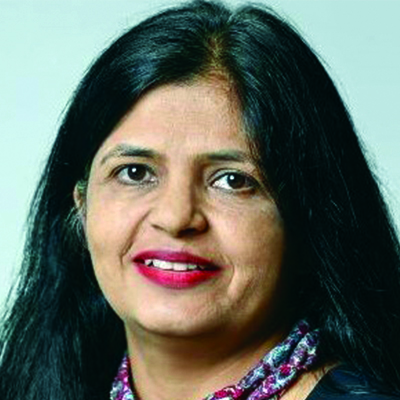
Geeta Chugh
Managing Director, Sector Lead, Financial Institutions Ratings, SSEA

S&P Global Energy
Swati Gautam
Consultant, Strategic Climate and Clean Energy Initiatives
Consultant, Strategic Climate and Clean Energy Initiatives

S&P Global Ratings
Zahabia Gupta
Managing Director, Head of Credit Research Emerging Markets
S&P Global Energy
Gauri Jauhar
Global Executive Director, Strategic Climate and Clean Energy Initiatives and CERAWeek
Gauri is Executive Director, in Energy Transition and Clean Tech Global Consulting team, and a Certified Independent Director by the Institute of Directors (IOD). She has 23 years of experience in the energy, applied economics, finance fields, with wide regional experience in the United States, Kuala Lumpur, Singapore, Mumbai, New Delhi. Focus on ESG In the Energy Transitions and the integration of clean fuels in the energy spectrum and multi-sector mitigation strategies.
Her areas of specialization are Integration of New Energy sources to the Energy spectrum for companies and countries, Financial and Operational Competitor Benchmarking, Energy pricing, Market entry strategies and Energy policy development. She represents S&P Global in various industry bodies such as the US India Hydrogen & Gas Task Forces by the US India Strategic Partnership Forum.
Prior to joining S&P Global, Gauri was Commercial Advisor - Gas Policy & Regulatory Affairs at BP in India. She was the gas policy lead for a multi-disciplinary team-leading BP's energy reforms advocacy efforts in India. Prior to joining BP, she was a Senior Consultant at PFC Energy (now part of S&P Global), leading PFC Energy's Integrated Energy business in India and Singapore.
Gauri started her career as a Research Associate at the National Council of Applied Economic Research in New Delhi, analyzing macro-economic policy issues for the Indian economy and her paper with DK Joshi on "India's Macro-Stabilization Policy in 1990s: A Review and Assessment" was published in the book, "The Indian State in Transition."

S&P Global Energy
Jessica Jin
Senior Analyst, Solar
Jessica is primarily responsible for tracking global production, capacity and shipments throughout the supply chain and providing insight and forecasts around the performance of the industry, as well as and the development of prices and margins. In addition,Ms. Jin continuously contributes to S&P Global Energy's detailed coverage of downstream PV market development in China. She is based in Shanghai.
Jessica continuously contributes to S&P Global Energy's subscription services, but also provides regular support to custom research reports and consulting projects.
Jessica's 12 years of experience as an analyst in the solar industry, having previously worked for more than three years at a specialist market research firm in China focusing on the solar PV supply chain.
Jessica graduated from Anhui Polytechnic University with a Bachelor's degree in English. She is based in the company's Shanghai office.
S&P Global
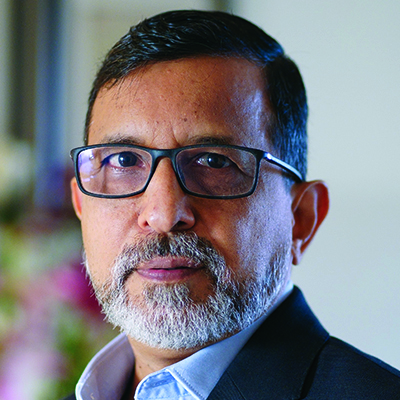
Dharmakirti Joshi
Chief Economist, Crisil
At CRISIL, Joshi's purview includes demand forecasting, assessing macroeconomic scenarios, and analyzing and monitoring the impact of macroeconomic domestic and external shocks on the economy. He has extensive experience in macroeconomic analysis and medium-term assessments of the Indian economy.
He was member of the Working Group of Savings for the 12th Five Year Plan. He is also a member of the industry monitoring group of Reserve Bank of India. He was the Chairman of Economic Affairs Committee of Bombay Chamber of Commerce and is currently member of Economic Policy Group of Confederation of Indian Industry and Indian Merchant Chamber. He regularly writes for leading newspapers and expresses his views on the economy in the electronic media.
Joshi has spent 26 years in economic research and consultancy. He spent 11 years at the National Council of Applied Economic Research (NCAER) before moving on to the Central Electricity Regulatory Commission (CERC), New Delhi, and then CRISIL. At NCAER, Joshi worked on short and medium term macroeconomic forecasting using Computable General Equilibrium and econometric models, macroeconomic reforms and fiscal policy related issues. At CERC, he worked on regulatory, competition and tariff related issues in the Indian power sector.
Joshi holds a bachelors and Masters degree from Honours School in Economics, Punjab University, Chandigarh, India. He has attended program on Macroeconomic Policy and Management at Harvard University and was a visiting scholar to Economic Research Unit of University of Pennsylvania.
S&P Global Market Intelligence
Deepa Kumar
Director, Head of Asia-Pacific Country Risk and Co-Lead, India Research Chapter
Deepa leads analysis on India and routinely spearheads and contributes to corporate-wide initiatives focused on India. Deepa has a background in Indian parliamentary research and was previously an entrepreneur whose organization in New Delhi focused on increasing citizen engagement with political representatives.
S&P Global Energy
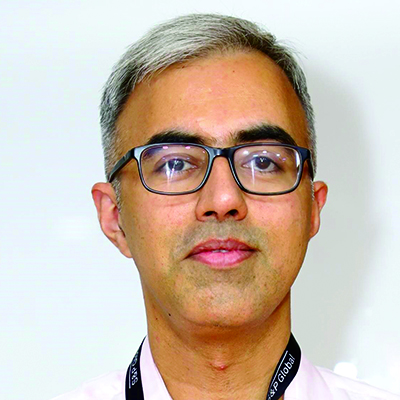
Rajeev Lala
Director, Upstream Strategies and Transformation
Rajeev Lala, Ph.D., serves as the Director of the Companies and Transactions group at S&P Global Energy. With 14 years of experience in the energy sector and 17 years dedicated to studying energy geopolitics, Rajeev specializes in the analysis of National Oil Companies (NOCs) and leads a team focused on researching the upstream and low-carbon strategies of major NOCs worldwide.
He earned his doctorate from the School of International Studies at Jawaharlal Nehru University in New Delhi, where he explored the politics of energy in EU-Central Asia relations, culminating in his thesis titled “The Politics of Energy in European Union-Central Asia Relations, 1999-2010.” Additionally, he holds an MPhil in energy pipeline politics and an MA in International Relations.

S&P Dow Jones Indices
Sue Lee
APAC Head of Index Investment Strategy
APAC Head of Index Investment Strategy

S&P Global Market Intelligence
Hanna Luchnikava-Schorsch
Head of Asia-Pacific Economics
Ms. Hanna Luchnikava-Schorsch, Head of Asia-Pacific Economics, is the lead India economist with the Global Economics group at S&P Global. Her research focuses on macroeconomic, financial and business developments in Asia, with particular emphasis on India. Among the issues she tracks are monetary and fiscal policies, financial and labor markets, as well as foreign trade and investment. She has prior experience in macroeconomic forecasting and market research gained with leading global institutions and firms, including the World Bank and McKinsey & Company. Her university degrees include a Bachelor of Arts in International Relations from the Belarusian State University, Minsk, Belarus, and a master's degree in International Economics and Finance from the International Business School at Brandeis University, Waltham, Massachusetts, US.

S&P Global Energy
Swati Mathur
Associate Director, Agribusiness Consulting

S&P Global Market Intelligence
Aiman Othman
APAC Country Risk Analyst
APAC Country Risk Analyst

S&P Global Energy
Vedant Patil
Principal Consultant, Energy Transitions and Cleantech Consulting
Vedant Patil is Principal Consultant, Energy Transitions and Cleantech Consulting at S&P Global Energy
S&P Global Energy
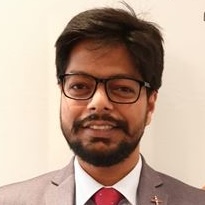
Abhay Pratap Singh
Senior Principal Analyst
Senior Principal Analyst
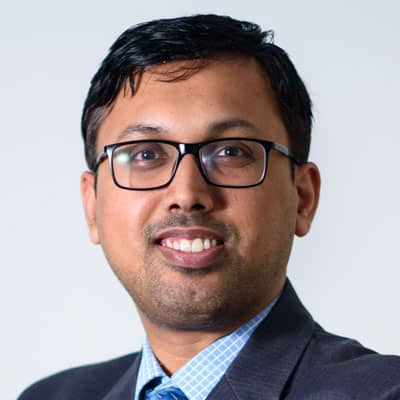
S&P Global Energy
Ashish Singla
Director, South Asia Power and Renewable Research
Ashish has more than a decade of experience in power sector covering South Asia, US, Canada, Mexico, Caribbean countries and Kenya. Ashish expertise includes economic and policy assessment, Power market designs, power and fuel market analysis, power market modeling, power trading, regulatory and commercial analysis, and environmental policy analysis. Prior to joining S&P Global Energy , He worked with ICF Consulting India private limited where he led the 'Power and Renewable' practice covering South Asia region. Ashish has worked on numerous consulting assignments with IPPs, investors, private equity funds, Multi-lateral organization, power utilities, energy majors, industrial consumers, and government planning bodies to support their business, commercial and policy strategies. Ashish has led numerous techno-commercial and market due diligence assessments related to asset acquisition / sale / development and has authored papers/articles.
Ashish holds Bachelor of Technology degree in 'Production and Industrial Engineering' from Indian Institute of Technology (IIT), Roorkee.
Key support and contributions by: Brianne Paschen, Claire Wilson, Ellen White, William Lockwood, Shipra Singh, Pooja Nair, Rajat Juneja, Arnav Sarkar, Kurt Burger, and Camille McManus
About the S&P Global India Research Chapter
The India Research Chapter brings together experts from across divisions and functions of S&P Global and Crisil (an S&P Global company) to focus on the opportunities, risks and potential that will shape India’s future. It is a strategic initiative aimed at providing in-depth, timely insights and thought leadership into the complexities and dynamism of the Indian economy and its diverse sectors and industries.