BLOG — July 29, 2026
Picture this: US trade policy is shifting from temporary tariffs to enduring leverage
By John Raines and Chris Rogers
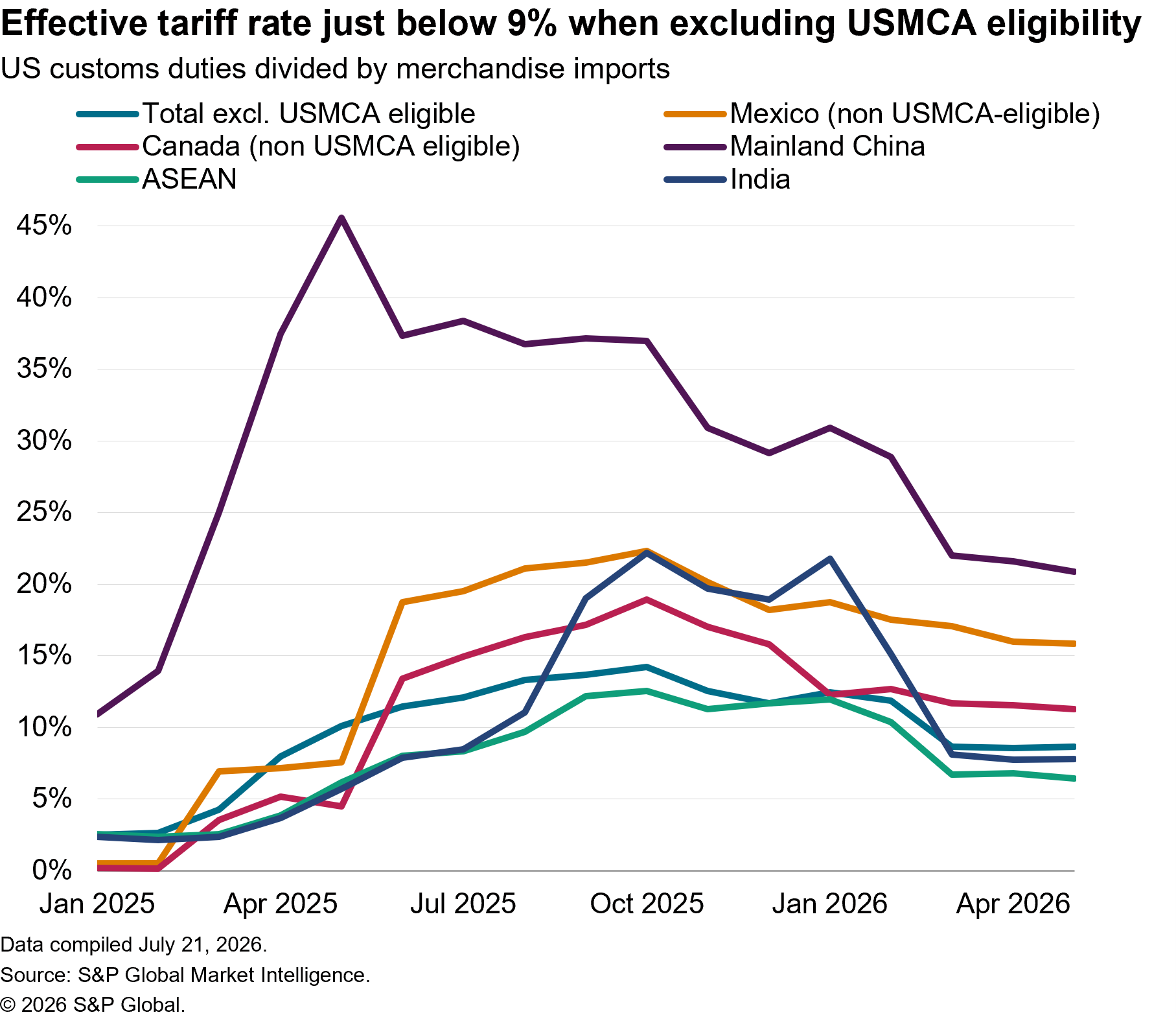
What we know
July 24: Section 122 tariffs expire, with the administration shifting toward other tariff authorities including Sections 301, 232 and 338. Multiple statutory authorities remain available after Section 122 expires, allowing the administration to add or modify tariffs without new legislation.
The US administration has expanded tariff investigations and announced new Section 338 tariffs on Canadian imports while linking tariff relief to ongoing trade negotiations and commitments.
Why it matters
Trade restrictions increasingly function as bargaining tools tied to market access, investment, and supply chain objectives rather than as standalone protectionist measures.
Market access is becoming more conditional: Lower tariff rates are often linked to commitments that can be revisited, making agreements less durable than traditional trade settlements.
The scope of exposure keeps widening: Investigations tied to forced labor, manufacturing capacity, and national security create multiple pathways for tariffs to reach additional countries and industries.
Firms are increasingly treating tariff shifts as a routine operating risk and adjusting inventories and sourcing decisions accordingly.
What's next?
The US is likely to retain broad tariff authorities as leverage in major negotiations. The Canada case suggests future tariff actions may be closely calibrated to strengthen the US negotiating position while limiting domestic economic costs. This approach could serve as a model for future discussions with USMCA partners and mainland China.
Existing agreements tied to investment, market access, or other performance commitments remain subject to renegotiation, creating scope for renewed tariff pressure if progress stalls. Legal challenges could slow some actions, particularly Section 338 measures, but are unlikely to reduce the administration's broader range of trade tools.
This article was published by S&P Global Market Intelligence and not by S&P Global Ratings, which is a separately managed division of S&P Global.
Content Type