02 Oct, 2026
Weak US employment data may prevent October Fed rate hike

By Brian Scheid
US payroll growth was more sluggish than expected in September, potentially complicating the Federal Reserve's plans to raise interest rates.
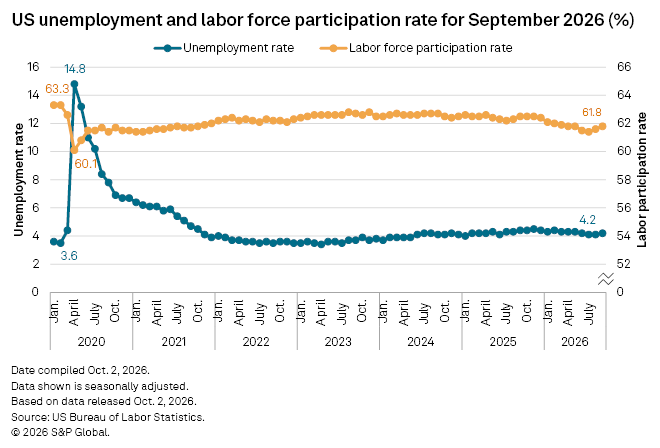
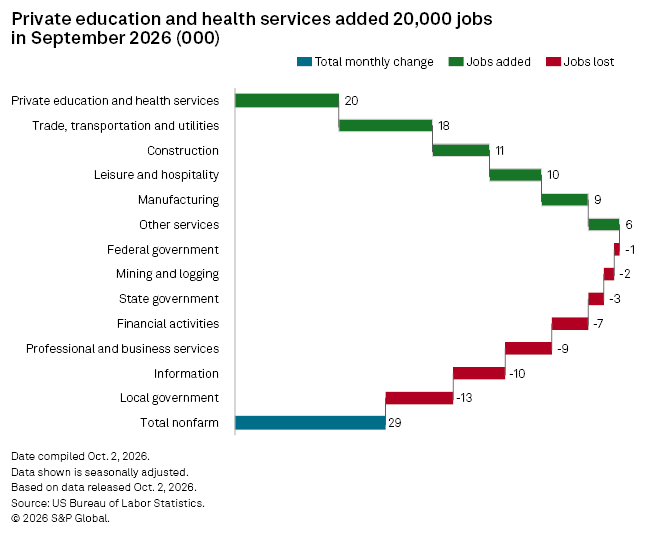
US employment increased by just 29,000 jobs in September, the Bureau of Labor Statistics reported Oct. 2, about one-third of consensus expectations. The nation's unemployment rate increased to 4.2% in September from 4.1% in August and average hourly earnings were up just over 3% year over year, the smallest annual increase in pay since May 2021.
The Fed-preferred inflation metric of core personal consumption expenditures, which strips out volatile energy and food prices, was just over 3% in August, the Bureau of Economic Analysis reported Sept. 30. Headline PCE was over 3.4%.
Mixed signals
The Fed has been struggling to lower inflation to its 2% target for more than five years. The Federal Open Market Committee (FOMC) in September hiked its benchmark federal funds rate for the first time since July 2023. The 25 basis point increase was seen as the first in a cycle expected to continue into 2027, but that was predicated on continued strength in the US jobs market.
"The Fed has indicated that it is singularly focused on tackling inflation right now, and the labor market is still showing enough signs of stability for the Fed to maintain its course," said Cory Stahle, senior economist at Indeed, in an interview. "That said, if we continue to see flat reports like [September's], it may give the FOMC pause and prompt them to push back their timeline."
Shortly after the September jobs report was released, about 20% of the futures market was betting on a rate hike at the Fed's Oct. 28 meeting, down from nearly 65% a week earlier, according to CME FedWatch.
The latest jobs data was the "nail in the coffin" for a hike in October, according to Thomas Simons, chief US economist at Jefferies.
Bringing inflation down amid skyrocketing energy prices, the war with Iran, higher costs from tariffs and a generational sell-off in the government bond market has become a primary goal for the Fed and the central bank will not be derailed easily by weakening labor signals.
"It's going to be hard to get prices down, but that's what they're going to focus on," said Dan North, senior economist at Allianz Trade Americas.
'Line in the sand'
The Fed so far has made "virtually no progress" on cooling inflation, North said, and will likely need three months of "really weak" jobs reports before it considers truly pausing its rate hiking cycle.
While the latest jobs data fell below expectations, unemployment still remains relatively low by historical standards, averaging 4.2% through the first nine months of this year, said Bret Kenwell, a US investment and options analyst at eToro. That may not be enough to disrupt the Fed's rate plans.
"If there is a line in the sand, it may be around 4.5% to 4.6% [unemployment], with a move above that range marking a new multiyear high," said Kenwell. "But the pace of change may matter more than the headline itself. A quick rise from current levels to 4.6% would be more alarming than a gradual drift toward that level over the coming year."
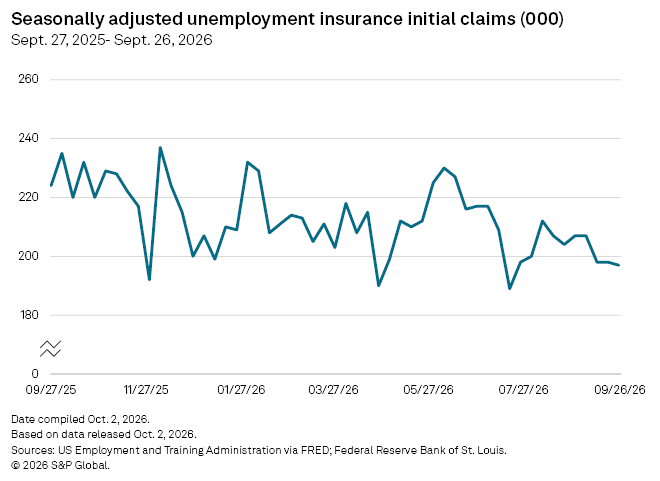
For now, the Fed seems zeroed in on inflation as economic momentum remains strong, meaning that even further weakening in the labor market would not be a top concern, said Julius Probst, a senior economist at Appcast.
"Viewed in isolation, a slightly higher unemployment rate would not likely cause a big shift in the Fed's thinking," he said.