Research — SEPTEMBER 25, 2025
Meta Connect 2025


Key takeaways and questions
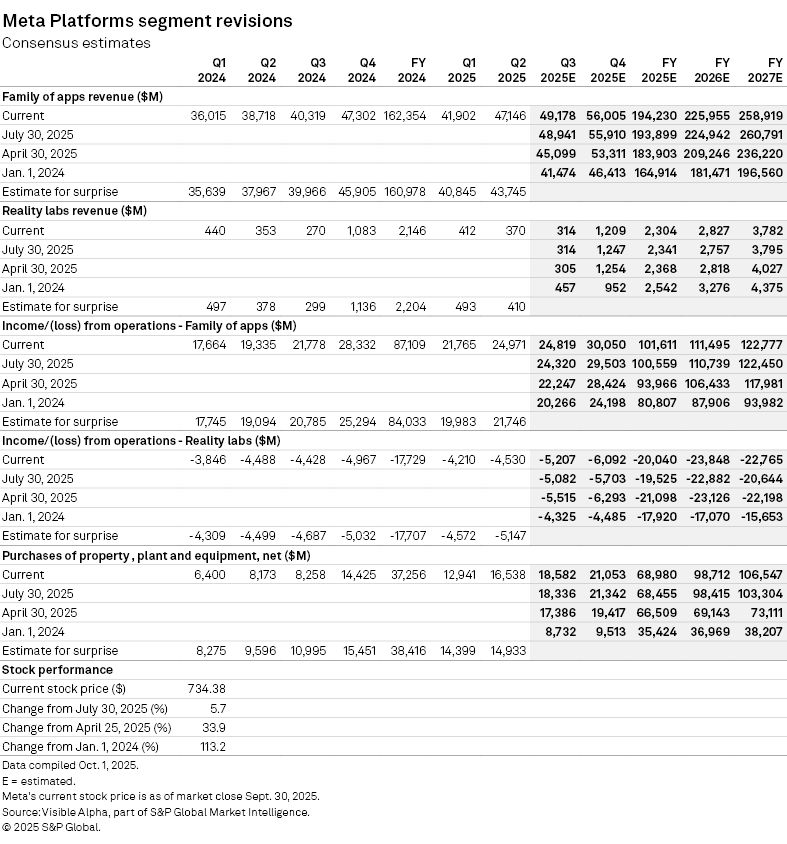
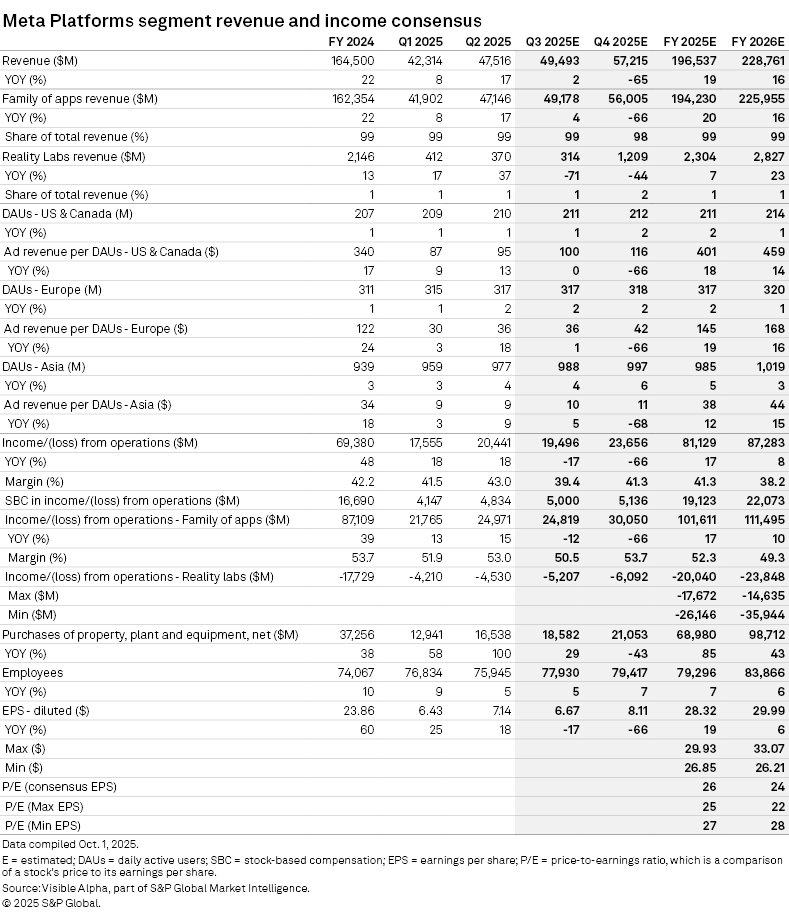
- According to Visible Alpha consensus, Reality Labs’ sales are projected to hit $2.3 billion by the end of FY 2025, but losses are expected to slightly worsen from last quarter expectations.
- AI investment continues
- Smart glasses were featured at Meta Connect in 2024. In 2025, they stole the show.
- How long will it take for this category to grow sales and profit?
- Contextual AI
- What impact could this have on Meta’s business model?

Meta Platforms Inc. (NASDAQ: META) hosted its Meta Connect 2025 conference on September 17-18, 2025. In the opening keynote speech, CEO Mark Zuckerberg highlighted new product innovations that were geared toward AI, smart glasses and the metaverse. On the hardware side, the company showcased several new models of smart glasses that incorporated enhanced AI-powered audio, visual and tracking tools. In addition, Zuckerberg introduced the Meta Neural Band, which enabled gesture-based control with wrist movements. As the company zeroes in on AI functionality, what will get users excited about this next wave of innovation? We have still not seen broad adoption or a killer app. Will smart glasses set the stage for a catalyst in the space?
Meta Smart Glasses
Source: Meta Connect 2025 on Sep. 17, 2025
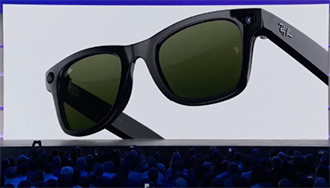
Last year, CEO Zuckerberg highlighted that smart glasses were taking off faster than expected. These glasses dominated the show this year. However, the 2025 enhancements seemed to focus more on the functionality and appeal of the glasses. The three models range in price from $379 to $799 with the Oakley Vanguard’s priced in the middle at $499. The audio tools are starting to rival Apple’s AirPods and at the $379 price point, this model could be a hot gift item this holiday season.
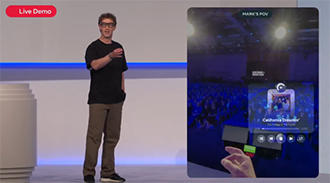
The Ray-Ban Display Glasses, priced at $799, are paired with the Meta Neural Band. Users can view photos they have captured directly through the display, eliminating the need to take out their phone. The glasses also support video recording, allowing for hands-free content creation. Although the Live AI demo encountered technical issues during the event, Meta shared a pre-recorded demo to highlight the glasses’ full capabilities. However, it is worth noting that this model may still need some iterating.
How big could this opportunity be for Meta?
Smart Glasses live demo
Source: Meta Connect 2025 on Sep. 17, 2025
Implications for Reality Labs
With these new product releases, how these updates could help to drive revenues and profit will be key. Reality Labs continues to be a meaningful drag on the company’s total operating profit margin with little visibility into when these losses will improve. However, the Family of Apps continue to show increases to both revenue and operating profit estimates.
According to Visible Alpha consensus, Reality Labs' sales expectations have been improving for FY 2026, but remain stagnant for FY 2025. Since last quarter, analyst estimates for Reality Labs revenues have declined from $2.34 billion to $2.30 billion for FY 2025, but from $2.75 billion to $2.83 billion for FY 2026. The debate about Reality Labs’ profitability continues. Analysts’ forecasts of operating losses at Reality Labs worsened slightly from last quarter from -$19.5 billion to -$20.0 billion in FY 2025 and from -$22.9 billion to -$23.9 billion in FY 2026. However, the range of estimates about the future level of losses for Reality Labs has widened with analysts forecasting from an optimistic -$14 billion to a more pessimistic -$36 billion. An uptick in adoption could create a surprise to expectations, as Q4 estimates have remained around $1.2 billion in revenue and -$6 billion in operating losses. However, the market seems to be waiting for the catalyst to ignite that demand.
Contextual AI
Source: Meta Connect 2025 on Sep. 17, 2025
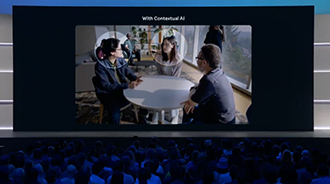
Meta AI’s capabilities were again in focus at the conference but taken to the next level. Meta emphasized a key limitation of current devices. Michael Abrash, VP and Chief Scientist of Reality Labs, explained that a user’s phone cannot contextualize a person’s internal experience. Instead, the phone can only react to external input without understanding what the user is focusing on or feeling. Abrash described contextual AI as part of a new wave of transformative technology that has the potential to fundamentally change how we interact with the world and enable more human connection. Abrash explained that smart glasses and other context-aware devices, powered by AI, can understand both the digital and physical environment, enhancing a user’s internal experience rather than distracting from it. As this technology evolves, it will be important to monitor how it may drive adoption of smart glasses and usage of the Family of Apps.
Will contextual AI help to drive engagement in Meta’s family of apps, leading to higher sales longer-term?
This article was published by Visible Alpha, part of S&P Global Market Intelligence and not by S&P Global Ratings, which is a separately managed division of S&P Global.
Content Type
Products & Offerings
Segment