10 Mar, 2026
US dollar rises with more room to run amid Iran war, surging oil prices

By Brian Scheid
The beleaguered US dollar has rallied in response to the conflict in Iran and the surging oil and gasoline prices that followed, potentially blunting some of the impact of the expected rise in inflation and silencing questions of the greenback's safe haven status.
The US dollar index, which measures the dollar against a basket of currency peers, traded as high as 99.41 after the US launched strikes against Iran, a 2.1% increase from the end of February.
The rise in the dollar, foreign exchange strategists said, could be sustainable and could reverse the dollar's extended downward move.
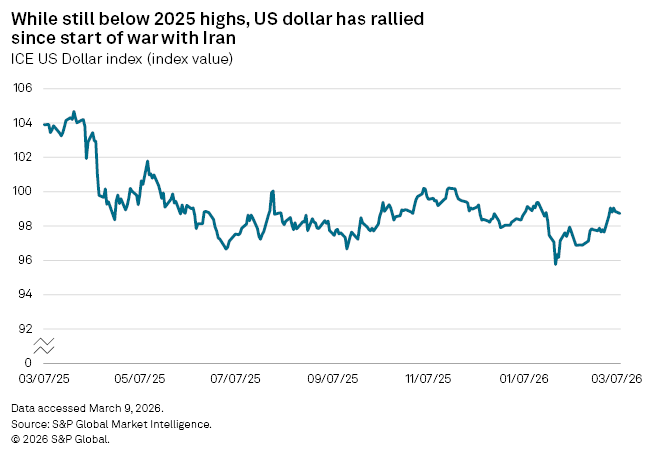
"I think the strong performance of the dollar over the past week has helped settle the argument about whether it is a safe haven currency still," Jane Foley, head of foreign exchange research at Rabobank, said in an interview. "It will therefore likely shake the view that the dollar has entered into a period of structural weakness which could deter big bets against the dollar in the coming months."
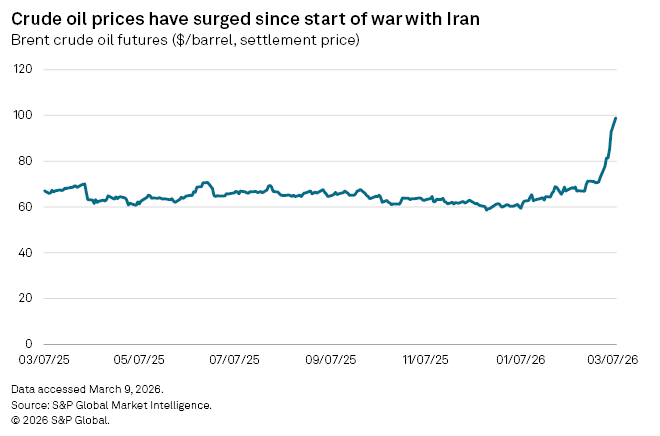
The dollar has strengthened as Brent crude oil futures surged above $100 per barrel for the first time since Russia's 2022 invasion of Ukraine. While the global oil benchmark settled at $98.96 per barrel on March 9, after climbing to nearly $120 earlier in the day, high oil prices will likely bolster US dollar strength, said Chris Turner, global head of markets at ING.
"The longer oil stays up here the more it saps growth in the oil importers of Europe and Asia and weighs on their growth – far more than it weighs on US growth," Turner said. "So, the prior trend of synchronized global growth, European and Asian recoveries and a weaker dollar would be reversed."
The rise in the US dollar appears likely to gain momentum as the war in Iran started while the dollar was heavily shorted and the markets may have overestimated the Federal Reserve's chances of implementing significant rate cuts this year, said Kyle Rodda, a senior financial market analyst with Capital.com.
US interest rate cuts tend to weaken the dollar, as dollar-denominated assets become less attractive to foreign investors when rates are low.
"All of this implies the greenback was primed for a rebound," Rodda said.
This potential rebound comes as a growing number of investors believe the US dollar index's recent slide may be over.
In the latest S&P Global Investment Manager Index, released March 10, 20% of investors surveyed felt that the dollar index would push higher over the next six to 12 months, up from 16% in December, while 30% believe it will head lower, down from 39% in December.
The remainder of those surveyed said they believed the dollar index is likely to trend sideways over that stretch or said they did not know.
The rise of the dollar alongside the rise of oil prices indicates a shift in the global market, with the US now a net energy exporter and the world's biggest oil producer, said Matthew Weller, global head of market research with StoneX and FOREX.com.
"Not only are high oil prices no longer a headwind for the dollar, but they're arguably now a tailwind, especially when accompanied by a risk-off safe haven bid given the risks to the global economy," Weller said.
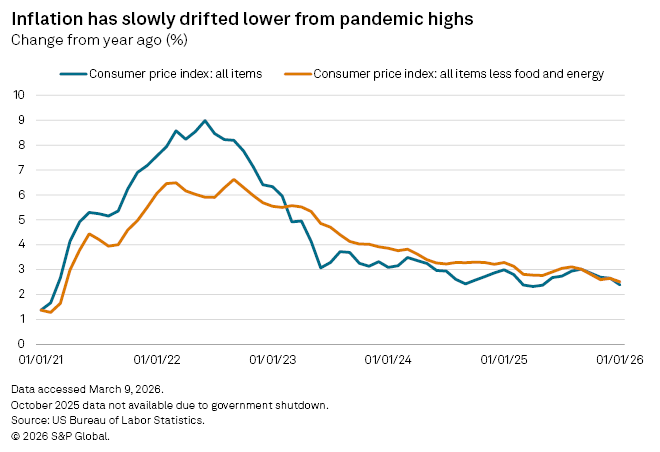
Still, the spike in oil prices will likely counter any disinflationary pressure from a stronger dollar, such as relatively cheaper imports.
"Only if the dollar can retain its strength while oil prices revert will the disinflationary impact of cheaper imports start to weigh on inflation," Weller said.
The strong dollar should help limit the impact of inflation and the potential drag it might have, said Foley with Rabobank.
"When measured against other countries the US economy could fare better than many others," Foley said. "The stronger US dollar should mean that US inflation should go up by less than would otherwise be the case."