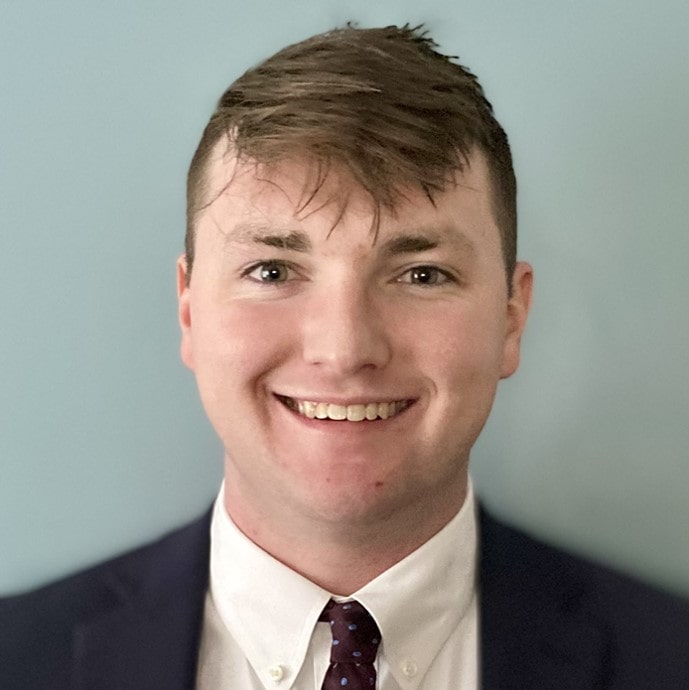
Robinhood Markets Inc. CEO Vlad Tenev found himself on the receiving end of much of federal lawmakers' questions and frustrations over the GameStop Corp. saga Feb. 18.
In a tense hearing lasting more than five hours, Democrats on the U.S. House Financial Services Committee peppered Tenev in particular over the Menlo Park, Calif.-based brokerage's decision in late January to restrict trading in certain stocks including GameStop, AMC Entertainment Holdings Inc. and Koss Corp. at the height of the meme stock craze.
"You seem to reserve the right to make up the rules as you go along," Rep. Carolyn Maloney, D-N.Y., said at the hearing. "Robinhood's recent actions appeared arbitrary, which is why I don't blame customers for feeling treated unfairly. Your trading restrictions came out of the blue, and your communication was not clear."
Testifying virtually alongside Chicago billionaire Ken Griffin, Melvin Capital Management LP CEO Gabe Plotkin and Reddit Inc. CEO Steve Huffman, among others, Tenev apologized for the confusion that resulted around the temporary trading restrictions Robinhood imposed on its clients Jan. 28.
Tenev went on throughout the hearing to reiterate that the decision was driven by a staggering $3 billion margin call the brokerage received early in the morning Jan. 28 from its clearinghouse, National Securities Clearing Corp. The firm had upped Robinhood's daily deposit requirement by 10x because of just how much risk its customers were taking on in GameStop and other stocks that saw similar activity that week, officials from the company have said. When asked how Robinhood could avoid the situation in the future, Tenev cited the $3.4 billion the broker had raised from investors in early February as a way to buttress its capital levels.
But even then, questions persisted. Lawmakers drilled both the Robinhood chief executive and Griffin, who controls the nation's biggest market maker Citadel Securities LLC, over their companies' relationship through what is known as payment for order flow and the conflicts of interest it may create in how retail investors' trades are executed.
"There is an innate tension in your business model," Illinois Democratic Rep. Sean Casten said at the hearing, while also discussing concerns about Robinhood gamifying trading. Payment for order flow is an intricate but controversial part of the U.S. stock market's plumbing that has come under newfound scrutiny in the aftermath of the GameStop episode. Under the structure, wholesale trading firms like Citadel Securities pay certain retail brokerages including Robinhood to execute their clients' buy and sell orders.
Tenev and Griffin defended the practice during the hearing, with both saying it has helped lead to better execution quality and lower prices for retail investors.
Payment for order flow is Robinhood's largest source of revenue, Tenev said during the hearing.
"With payment for order flow, market-makers provide Robinhood with a rebate for executed orders, and in return, they provide reliable, quick, and competitive trade executions," Tenev wrote in prepared testimony ahead of the hearing.