02 Jun, 2026
Asian coastlines, insurers face active typhoon season

By RJ Dumaual
|
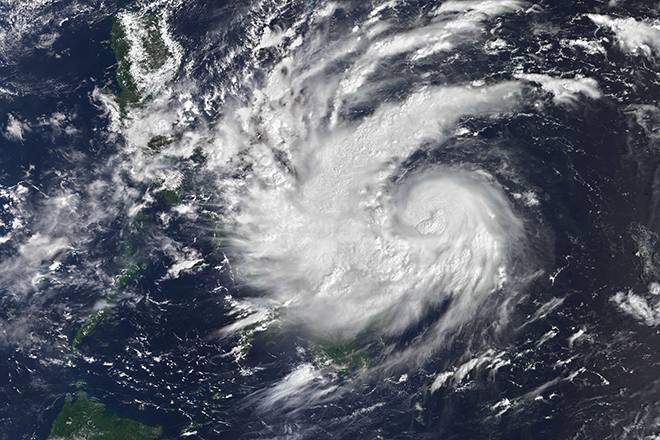
Typhoon Kalmaegi, known locally as Typhoon Tino, made landfall in the central Philippines on Nov. 3, 2025. |
Coastal regions in Asia are facing increased risk ahead of what is expected to be a very active 2026 typhoon season.
An early May forecast for northwest Pacific typhoon activity by University College London's Tropical Storm Risk anticipates the most active season since 2015, with 27 tropical storms, 18 typhoons and 11 intense typhoons this year. Tropical activity is expected to be about 25% above the 30-year norm.
A combination of factors make coastal regions vulnerable, including rising sea levels, land settling and increased storm activity, according to Amar Rahman, global head of climate change resilience services at Zurich Resilience Solutions.
"The scenarios that develop are that you have water going in further inland, flooding areas that weren't flooded before, and the time that it takes for this water to go back into the sea is longer," Rahman said in an interview at the Pan-Asia Risk and Insurance Management Association's (PARIMA) Manila Masterclass on May 21.
El Niño effects
Global flood-related insured losses were well below average in 2025 at $3.4 billion, compared with a five-year average of $15.4 billion, Swiss Re Institute said in a report. Due to the presence of heavily urbanized areas around large river systems and the influence of the monsoon season, Asia sees the highest annual flood-loss growth rate at 12%, according to Swiss Re.
A series of compound storms hit Thailand, Indonesia, Malaysia and Sri Lanka in rapid succession in 2025, resulting in more than $11 billion in economic damage. Cyclone Ditwah alone generated $4 billion in losses in Sri Lanka, the costliest natural catastrophe in the country's history.
Climatic conditions for 2026 suggest that there will likely be slightly fewer hurricanes in the north Atlantic than the long-term average, according to a Munich Re report. However, those same climatic conditions are conducive to the formation of typhoons in the northwest Pacific, which are more likely to hit Japan, eastern China or Korea.
This is due to the El Niño-Southern Oscillation in the Pacific, which influences the frequency and severity of weather patterns across much of the globe, Munich Re said. Some reports have suggested that this El Niño is likely to be the strongest on record, according to Steve Tunstall, general secretary of PARIMA.
More than 2 billion people in Asia live in cities on the coast, and "almost zero" of them are well prepared for the impacts of storm surge, sea level rise and increasing numbers of natural catastrophe events, Tunstall said in an interview.
"There's not enough being done to address this across the region, so there are potential humanitarian tragedies here that are waiting to unfold as the effects of climate change are felt more strongly," he said.