26 May, 2026
New 'reform-minded' Fed chair runs into inflation, rate-hike expectations

By Brian Scheid
President Donald Trump's pick to head the Federal Reserve and push forward rate cuts will have to deal with rising inflation and a fragile jobs market that will make any course changes difficult.
Trump selected Kevin Warsh, a former Fed governor, after a months-long public feud with prior Chairman Jerome Powell, whom the president frequently criticized for not reducing rates faster.
Warsh was sworn in as the central bank's 17th chairman at the White House on May 22. Trump during the ceremony said he wanted Warsh to be "totally independent" as Fed chair. For his part, Warsh said he planned to lead a "reform-oriented" central bank.
"Our mandate at the Fed is to promote price stability and maximum employment," Warsh said in his first remarks as chair. "When we pursue those aims with wisdom and clarity, independence and resolve, inflation can be lower, growth stronger, real take home pay higher and America can be more prosperous and, no less important, America's place in the world more secure."
Warsh takes the reins as the war in Iran and related soaring energy prices have boosted the pace of inflation to their highest levels in nearly three years, pushing aside any rate-cut expectations and increasing likelihood of rate hikes in the near future.
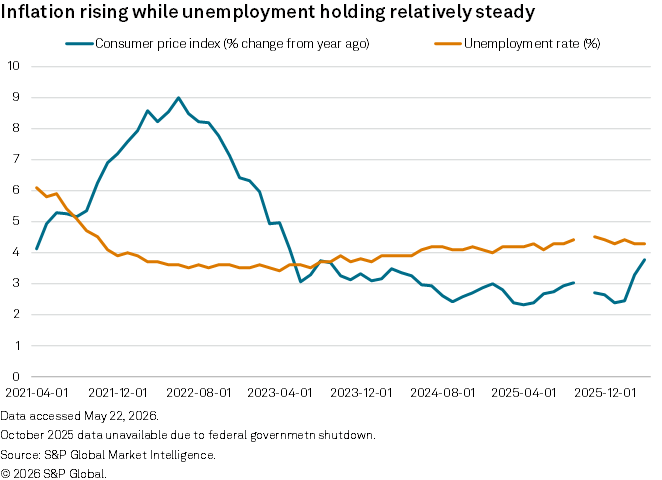
A majority of the futures market now expects at least one 25 basis-point rate hike before the end of 2026, according to CME FedWatch. A month ago, the entirety of the futures market was betting on the Fed to either hold rates steady through the end of 2026 or cut them at least once, according to CME FedWatch.
This shift in rate expectations stands to put some of Warsh's reform plans on hold, according to Oren Klachkin, a financial market economist at Nationwide.
"Over time, we may get rate cuts in exchange for balance sheet reduction and other changes," Klachkin said in an interview. "He'll need to use his soft power to get a lot of his agenda done. That's where building relationships with the rest of the Fed will come into play."
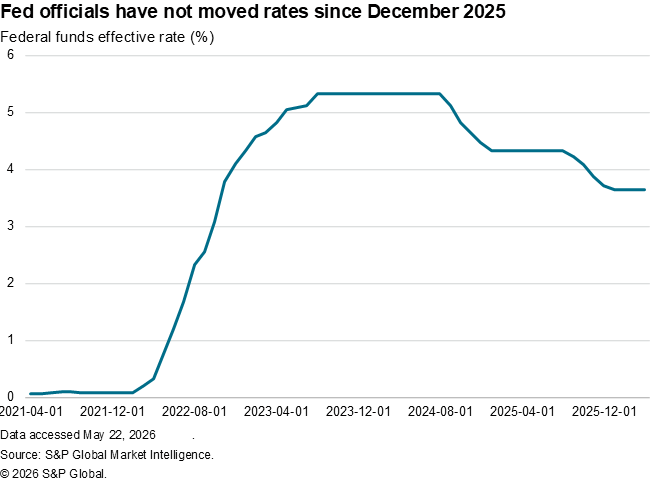
The first real insight into Warsh's approach will come at the next rate-setting Federal Open Market Committee (FOMC) meeting. Fed officials are not expected to change rates at that mid-June meeting, but will update their quarterly economic projections.
Warsh has signaled that he thinks the Fed should scale back its forward guidance, including fewer policy speeches and the post-meeting press conference that became a mainstay of Powell's time as head of the central bank.
"This signals a much less data-dependent approach," Klachkin said. "This means we could see a lot more volatility in financial markets with Warsh at the helm than Powell, and potentially a paradigm shift in the post-GFC era."
As time passes, Warsh's influence may grow by setting the FOMC's meeting agenda and putting his "thumb on the scale" over which economic issues and monetary policy issues get prioritized by central bankers, said Derek Tang, an economist at Monetary Policy Analytics.
"Warsh might be more emphatic about the potential for Trump reforms in deregulation, merger policy, and AI tech as being downside risks for inflation and interest rates, perhaps going so far as alluding to having discussed these issues at FOMC meetings, even if his colleagues may disagree," said Tang. "That might help jawbone expectations of interest rates lower."