Research — June 28, 2026
Maritime State of Play report: Paper trails and phantom owners

Exposing Maritime's Hidden Ownership Crisis: Why Transparency Matters Now
The maritime industry facilitates over 90% of global trade, yet a critical vulnerability threatens its integrity: the systematic concealment of vessel beneficial ownership. While we've advanced vessel tracking and port controls, the question of who truly owns and controls maritime assets remains deliberately obscured.
The Scale of the Problem
Complex corporate structures, shell companies, and nominee arrangements create legal loopholes that enable sanctions evasion, illegal fishing, and money laundering. This opacity isn't accidental—it's intentional, exploiting legitimate industry practices to shield ultimate beneficiaries from exposure and liability.
Current international regulations mandate disclosure of registered owners but fail to require transparency of beneficial ownership—the natural persons who ultimately control vessels and profit from their operations.
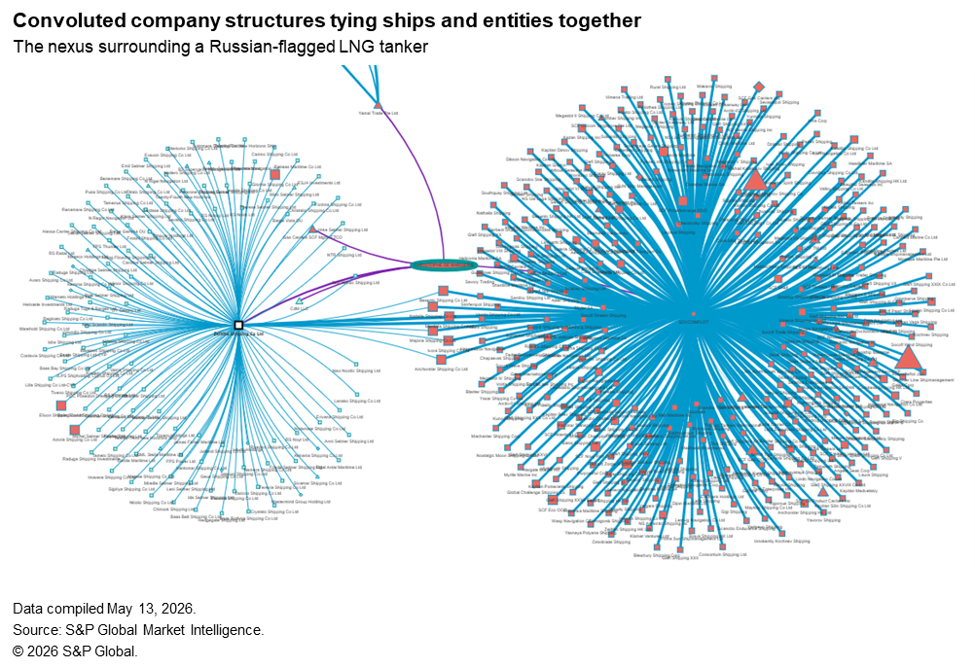
Four Critical Concealment Techniques
Our comprehensive analysis reveals how phantom owners hide through:
- Shell companies existing purely on paper with no operational presence
- Rapid ownership transfers moving vessels between entities to obscure trails
- Nominee arrangements using individuals as fronts for hidden controllers
- Multi-jurisdictional structures layering ownership across legal systems
The Regulatory Gap
While UNCLOS and SOLAS establish vessel registration requirements, significant gaps remain in beneficial ownership disclosure. The "genuine link" requirement lacks clear definition, creating ambiguity that's systematically exploited through flags of convenience.
Data-Driven Solutions
Modern analytical methods can cut through complex corporate structures. Network analysis, graph databases, and machine learning can expose nominee arrangements, flag anomalies, and reveal the natural persons who ultimately exercise control over vessels.
Building a Path to Greater Transparency
S&P Global Market Intelligence has identified crucial measures to transform reactive enforcement into proactive transparency:
- Mandatory beneficial ownership disclosure at registration and transfer points
- Vessel-centric due diligence tracking ownership changes throughout a ship's lifecycle
- Financial guarantees tied to verified beneficial owners
Your Next Step
Maritime compliance professionals can no longer treat beneficial ownership transparency as optional. Understanding who truly controls maritime assets is foundational to effective risk management in today's complex regulatory environment.
Ready to strengthen your maritime compliance framework?
Download the complete analysis and discover how data-driven intelligence can expose maritime's beneficial ownership crisis while protecting your organization from hidden risks.
More S&P Global Market Intelligence Content:
Content Type
Segment
Language